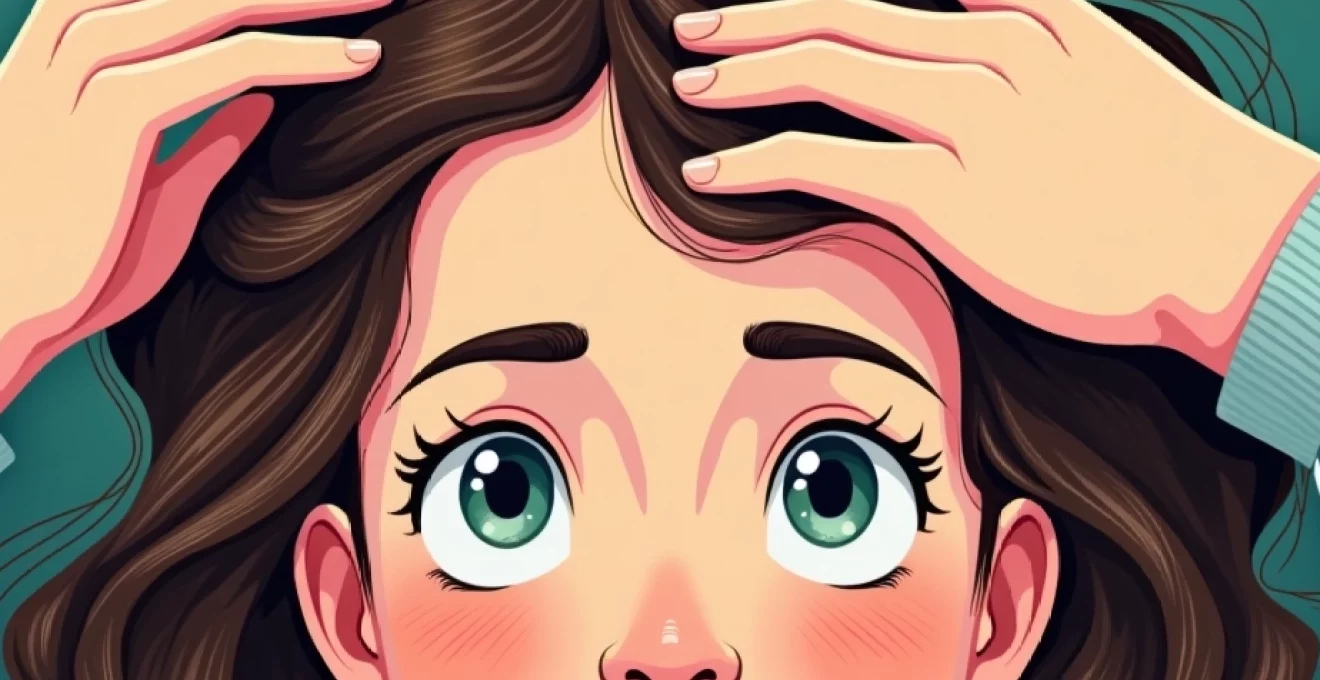
The simple act of running fingers through hair creates an almost universally pleasurable sensation that transcends cultural boundaries and personal preferences. This tactile experience engages multiple sensory pathways simultaneously, triggering complex neurochemical responses that promote relaxation and wellbeing. From the gentle tug at hair follicles to the rhythmic motion across the scalp, hair-touching behaviours tap into fundamental human needs for comfort and sensory stimulation.
Hair manipulation represents one of humanity’s most instinctive self-soothing mechanisms, yet the underlying science reveals sophisticated interactions between nervous system responses, hormonal cascades, and psychological comfort patterns. Understanding these mechanisms illuminates why such a seemingly simple action can produce profound effects on mood, stress levels, and overall mental state.
Neurological mechanisms behind Hair-Touching sensory pleasure
The satisfying sensation of fingers moving through hair stems from intricate neurological processes that begin at the follicular level and cascade through the central nervous system. These mechanisms involve multiple types of sensory receptors, each contributing unique elements to the overall experience of tactile pleasure during hair manipulation.
Mechanoreceptor activation in scalp tissue
Specialised nerve endings wrapped around hair follicles create the foundation for hair-touching pleasure. These mechanoreceptors, known as follicular receptors, detect even the slightest movement or deflection of individual hairs. When activated by gentle stroking or combing motions, these sensors transmit electrical signals directly to the brain’s somatosensory cortex, where the information is processed as pleasurable tactile input.
The scalp contains an exceptionally high concentration of these mechanoreceptors compared to other body regions. Research indicates that follicular receptors are directionally sensitive, meaning they respond more strongly to movement in certain directions than others. This directional sensitivity explains why stroking hair “against the grain” often feels uncomfortable, while following the natural growth pattern produces maximum pleasure.
Autonomic nervous system response patterns
Hair-touching activates the parasympathetic nervous system, shifting the body from its typical sympathetic “fight-or-flight” state into a more relaxed condition. This autonomic response occurs within seconds of gentle scalp stimulation, triggering measurable changes in heart rate variability and breathing patterns. The parasympathetic activation promotes what researchers term the “rest and digest” state, characterised by deeper breathing, lowered blood pressure, and enhanced digestive function.
Monitoring equipment reveals that effective hair-touching produces distinct brainwave patterns associated with meditative states. Alpha wave activity increases significantly during gentle scalp massage, indicating a shift towards calm alertness rather than drowsiness or agitation.
Dopamine and serotonin release during tactile stimulation
The neurochemical response to hair manipulation involves complex interactions between multiple neurotransmitter systems. Dopamine release occurs in response to the pleasurable tactile input, reinforcing the behaviour and creating a mild reward sensation. This dopaminergic activity explains why hair-touching can become habitual, as the brain learns to anticipate and seek out the associated pleasure.
Serotonin levels also increase during gentle hair manipulation, contributing to improved mood regulation and emotional stability. Studies measuring cerebrospinal fluid serotonin metabolites show significant elevations following twenty-minute scalp massage sessions, with effects lasting several hours post-treatment.
Parasympathetic activation and stress hormone reduction
Hair-touching produces measurable reductions in cortisol, the primary stress hormone, within fifteen to twenty minutes of continuous stimulation. This cortisol suppression occurs through direct parasympathetic nervous system activation, which inhibits the hypothalamic-pituitary-adrenal axis responsible for stress hormone production. The result is a cascade of physiological changes that promote relaxation and recovery from daily stressors.
Simultaneously, oxytocin levels increase during hair manipulation, particularly when performed by another person. This “bonding hormone” enhances feelings of connection and trust while further reducing cortisol production. Even self-administered hair-touching produces modest oxytocin elevation, though the effect is more pronounced during social grooming interactions.
Psychological comfort through Self-Soothing hair manipulation
Beyond the purely physiological responses, hair-touching serves important psychological functions related to emotional regulation and cognitive processing. These behaviours often emerge during periods of stress, uncertainty, or cognitive overload, providing a readily available coping mechanism that requires no external resources or preparation.
Regression therapy and childhood security associations
Hair manipulation often connects to early childhood experiences of comfort and security. Many individuals unconsciously associate hair-touching with memories of parental grooming, bedtime routines, or other nurturing interactions from their formative years. This psychological association creates what therapists term “regressive comfort,” where adult behaviours temporarily recreate the safety and care experienced during childhood.
The regression aspect of hair-touching explains why these behaviours often intensify during periods of vulnerability or stress. Adults facing challenging situations may unconsciously increase hair manipulation as a way of accessing psychological resources associated with earlier periods of security and protection. This mechanism operates below conscious awareness, making hair-touching an automatic response to emotional distress.
Anxiety regulation through repetitive motor behaviours
Repetitive hair-touching serves as an effective anxiety regulation strategy, providing a controlled outlet for nervous energy while creating predictable sensory input. The rhythmic nature of hair stroking or twirling produces what psychologists call “bilateral stimulation,” which has been shown to reduce anxiety symptoms and promote emotional processing.
Research indicates that individuals with higher baseline anxiety levels engage in more frequent hair-touching behaviours, suggesting an adaptive response to chronic stress. However, when taken to extremes, these behaviours can develop into Body-Focused Repetitive Behaviours (BFRBs), which require clinical intervention to address effectively.
The repetitive nature of hair manipulation creates predictable sensory feedback that can interrupt anxious thought patterns and redirect attention to present-moment physical sensations.
Cognitive load reduction during Hair-Stroking activities
Hair manipulation provides cognitive relief by engaging sensory processing centres while simultaneously reducing activity in areas associated with rumination and worry. Neuroimaging studies show that gentle hair-touching activates the somatosensory cortex while decreasing activity in the default mode network, the brain system associated with self-referential thinking and mental chatter.
This cognitive shift helps explain why people often touch their hair when deep in thought or facing complex problems. The tactile stimulation creates a mild distraction that can facilitate creative problem-solving by reducing the intensity of focused analytical thinking and allowing more intuitive processing to emerge.
Mindfulness and Present-Moment awareness techniques
Hair-touching naturally promotes mindfulness by directing attention to immediate physical sensations rather than past regrets or future concerns. The tactile feedback creates an anchor point for awareness, similar to breath focus in traditional meditation practices. This grounding effect helps interrupt cycles of anxious thinking and promotes what mindfulness practitioners call “embodied presence.”
Therapeutic applications of intentional hair-touching have emerged in mindfulness-based interventions, where clients learn to use gentle scalp massage as a grounding technique during moments of emotional overwhelm. The accessibility and immediacy of hair-touching make it particularly useful for individuals who struggle with traditional meditation practices.
Evolutionary psychology of grooming behaviours
Hair manipulation behaviours connect to deep evolutionary patterns that served important social and survival functions throughout human development. Understanding these ancestral roots provides insight into why hair-touching feels so fundamentally satisfying and why these behaviours persist across all cultures and age groups.
Social grooming among early human groups served multiple functions beyond simple hygiene maintenance. Mutual hair grooming established and reinforced social bonds, communicated trust and cooperation, and provided opportunities for conflict resolution within group hierarchies. These behaviours released endorphins and oxytocin, creating positive associations that encouraged continued social cohesion.
The neurochemical rewards associated with grooming behaviours became deeply embedded in human psychology, persisting even as social structures evolved beyond small tribal groups. Modern hair-touching represents a vestigial expression of these ancient bonding mechanisms, explaining why the behaviour feels inherently satisfying even when performed alone.
Contemporary grooming rituals in salons and spas tap into these evolutionary patterns, recreating the social bonding aspects of ancestral grooming while providing the associated neurochemical benefits. The popularity of professional hair treatments reflects an unconscious recognition of grooming’s importance for psychological wellbeing, not merely aesthetic enhancement.
Evolutionary psychologists suggest that the human fascination with hair manipulation stems from millions of years of social grooming behaviours that were essential for group cohesion and individual stress management.
Trichotillomania versus normal Hair-Touching compulsions
While gentle hair manipulation provides numerous benefits, it’s crucial to distinguish between healthy self-soothing behaviours and potentially problematic patterns that may indicate underlying psychological distress. Trichotillomania, classified as a body-focused repetitive behaviour disorder, represents the pathological extreme of hair-touching compulsions.
Normal hair-touching typically involves gentle stroking, light twirling, or soft manipulation that doesn’t cause damage or distress. These behaviours occur naturally during relaxation, contemplation, or mild anxiety, and individuals can easily stop when needed. The hair manipulation provides comfort without creating physical harm or psychological distress.
Trichotillomania, by contrast, involves compulsive hair pulling that results in noticeable hair loss and significant psychological distress. Individuals with this condition experience intense urges to pull hair that are difficult to resist, often leading to shame, social isolation, and continued hair damage despite negative consequences. The behaviour becomes self-perpetuating as the individual attempts to hide evidence of hair loss through further manipulation.
Treatment approaches for trichotillomania include cognitive-behavioural therapy, acceptance and commitment therapy, and medications targeting obsessive-compulsive symptoms. Early intervention proves most effective , emphasising the importance of recognising when normal hair-touching behaviours cross into problematic territory.
| Normal Hair-Touching | Trichotillomania |
|---|---|
| Gentle, non-damaging manipulation | Forceful pulling resulting in hair loss |
| Easily controlled and stopped | Difficult to resist despite consequences |
| Provides comfort without distress | Creates shame and psychological distress |
| No significant hair damage | Visible bald patches or thinning |
| Socially acceptable behaviour | Often hidden from others |
Cultural and social conditioning of hair tactile preferences
Cultural backgrounds significantly influence how individuals experience and express hair-touching behaviours, with different societies attaching varying meanings and acceptability levels to these actions. Understanding these cultural dimensions helps explain why hair manipulation preferences can differ dramatically between individuals from different backgrounds.
In many Western cultures, hair-touching is generally accepted as a personal grooming behaviour, though excessive public hair manipulation may be perceived as nervous or unprofessional. Professional settings often discourage visible hair-touching, leading many individuals to suppress these behaviours during work hours despite their stress-reducing benefits.
Eastern cultures may attach different significance to hair manipulation, with some traditions viewing hair as containing spiritual energy that should be handled respectfully. These cultural beliefs can influence how comfortable individuals feel with hair-touching, both self-administered and from others.
Gender socialization also plays a significant role in hair-touching acceptance and frequency. Women are generally more socially permitted to engage in hair manipulation behaviours, while men may feel constrained by cultural expectations around grooming displays. These gender differences can affect stress management strategies and comfort levels with tactile self-soothing approaches.
The rise of natural hair movements has created new cultural contexts around hair-touching, particularly in communities where hair texture and manipulation carry historical and political significance. These cultural shifts influence how individuals experience hair-touching pleasures and may affect the neurochemical responses associated with the behaviour.
Understanding your personal cultural conditioning around hair-touching can help you develop more effective stress management strategies while respecting your background and values. Recognising these influences allows for more intentional choices about when and how to engage in hair manipulation for optimal psychological benefit.