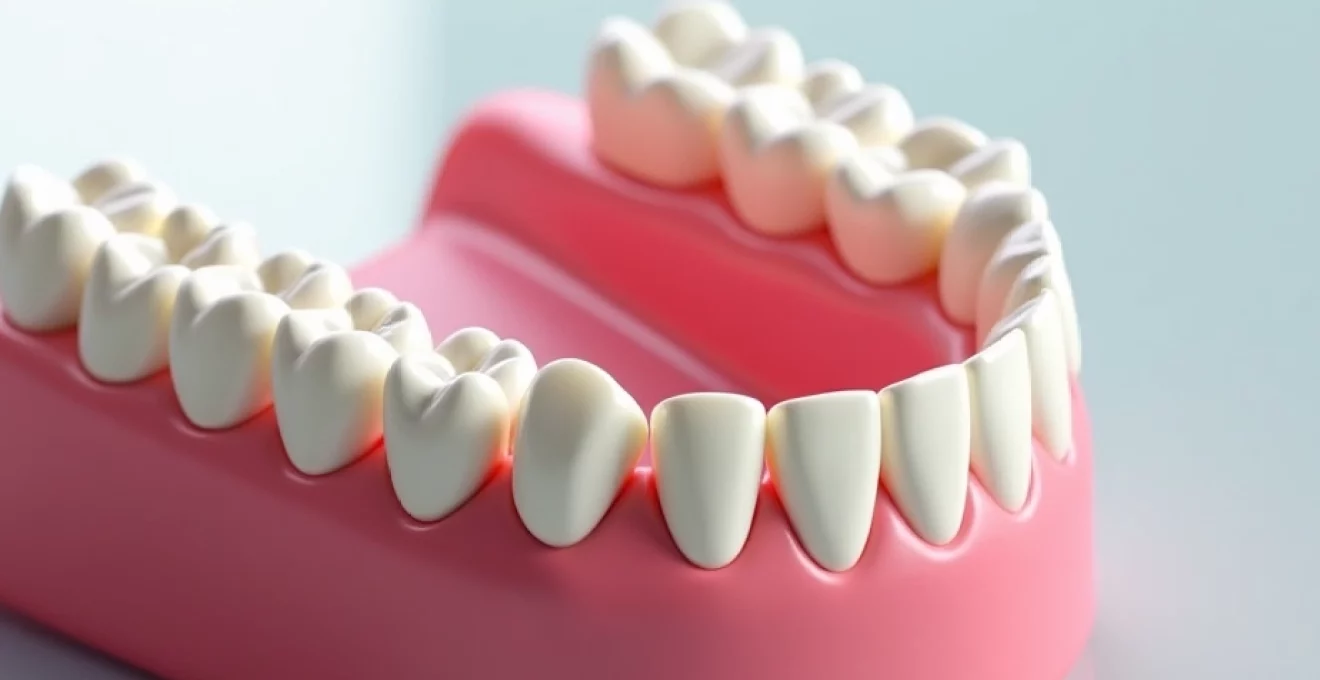
The gag reflex represents one of the most challenging obstacles faced by orthodontic patients during their retention phase. This involuntary physiological response, medically termed the pharyngeal reflex, affects approximately 10-15% of retainer wearers to varying degrees of severity. Understanding the complex interplay between oral anatomy, appliance design, and neurological responses provides crucial insights for both patients and clinicians seeking effective management strategies.
Modern orthodontic retention has evolved significantly, yet the fundamental challenge of accommodating foreign objects within the sensitive oral environment remains. The phenomenon of retainer-induced gagging extends beyond simple discomfort, potentially compromising treatment outcomes when patients discontinue wear due to intolerable symptoms. Recent advances in materials science and appliance design have introduced new variables that influence patient tolerance, making comprehensive understanding of gagging mechanisms more critical than ever.
Anatomical mechanisms behind Retainer-Induced gag reflex
The human gag reflex operates through a sophisticated network of sensory receptors and neural pathways designed to protect the airway from foreign objects. When retainers interact with specific anatomical structures, they can trigger this protective mechanism even when the appliance poses no actual threat. The posterior pharyngeal wall, soft palate, and posterior third of the tongue contain the highest concentration of mechanoreceptors responsible for initiating the gag response.
These receptors demonstrate remarkable sensitivity, capable of detecting pressure variations as minimal as 2-3 grams per square centimetre. The trigeminal nerve (cranial nerve V) and glossopharyngeal nerve (cranial nerve IX) serve as primary sensory pathways, transmitting signals to the medullary vomiting centre. This neural processing occurs within milliseconds, explaining the immediate and often overwhelming nature of retainer-induced gagging episodes.
Palatoglossus muscle response to orthodontic appliances
The palatoglossus muscle, forming the anterior pillar of the fauces, plays a pivotal role in gag reflex initiation when contacted by retainer components. This muscle’s dual innervation by both the vagus and hypoglossal nerves creates a complex response pattern that varies significantly between individuals. Research indicates that patients with naturally elevated palatoglossus muscle tone demonstrate increased sensitivity to retainer placement, particularly with traditional Hawley appliances.
When retainers exert pressure on the palatoglossus muscle, the resulting proprioceptive feedback can trigger involuntary contractions that contribute to the gagging sensation. The muscle’s proximity to taste receptors further complicates the response, as some patients report metallic or plastic tastes that exacerbate nausea. Understanding these interactions allows clinicians to modify appliance designs to minimise palatoglossus stimulation whilst maintaining retention effectiveness.
Posterior pharyngeal wall sensitivity and hawley retainer positioning
Traditional Hawley retainers present unique challenges due to their acrylic base positioning against the posterior pharyngeal wall. This anatomical region contains dense concentrations of chemoreceptors and mechanoreceptors that evolved to detect potential choking hazards. The average distance between the posterior border of a properly fitted Hawley retainer and the pharyngeal wall measures approximately 8-12 millimetres, placing the appliance within the critical trigger zone for many patients.
Individual variations in palatal depth and pharyngeal wall positioning create significant differences in gag sensitivity. Patients with naturally shallow palates or anteriorly positioned pharyngeal walls demonstrate increased likelihood of experiencing gagging episodes. Clinical studies suggest that reducing the posterior extension of Hawley retainer bases by 2-3 millimetres can significantly improve patient tolerance without compromising retention effectiveness.
Vagus nerve stimulation through lingual wire contact
The vagus nerve’s extensive distribution throughout the oral cavity makes it particularly susceptible to stimulation by retainer components. Lingual wires, commonly employed in both Hawley and fixed retainer designs, can contact nerve terminals along the tongue’s dorsal and lateral surfaces. This contact triggers parasympathetic responses including increased salivation, altered heart rate, and nausea that compound the primary gag reflex.
The phenomenon becomes particularly pronounced when lingual wires are positioned too close to the tongue’s base, where vagal innervation density reaches its maximum. Modern wire positioning techniques emphasise maintaining a minimum 2-millimetre clearance from the tongue surface during rest position. However, dynamic tongue movements during speech and swallowing can still result in intermittent contact, explaining why some patients experience delayed or situational gagging episodes.
Soft palate displacement patterns in fixed bonded retainers
Fixed bonded retainers, whilst generally better tolerated than removable appliances, can still induce gagging through subtle soft palate displacement mechanisms. The presence of lingual wires alters normal tongue posture, which subsequently affects soft palate positioning during swallowing and speech. These changes can trigger proprioceptive feedback indicating airway compromise, even when actual obstruction does not occur.
The adaptive period for soft palate repositioning typically ranges from 7-14 days, during which patients may experience intermittent gagging episodes. Research demonstrates that patients who practice specific tongue positioning exercises during this adaptation period show significantly reduced gagging frequency compared to those without structured adaptation protocols. Understanding these displacement patterns enables clinicians to provide targeted guidance for optimal patient comfort.
Retainer design factors contributing to gagging episodes
Contemporary retainer design has evolved considerably from traditional approaches, yet fundamental design elements continue to influence gag reflex triggering. The relationship between appliance geometry, material properties, and individual anatomical variations creates a complex matrix of factors that determine patient tolerance. Modern CAD/CAM manufacturing techniques have introduced new possibilities for customisation, allowing for patient-specific modifications that address individual sensitivities.
Material selection plays an increasingly important role in patient comfort, with newer polymers offering improved flexibility and reduced bulk whilst maintaining structural integrity. The surface texture and edge finishing of retainer components significantly impact initial patient acceptance and long-term tolerance. Understanding how these design factors interact with individual anatomical features enables more predictable outcomes and reduced treatment abandonment rates.
Acrylic base thickness impact on tongue space reduction
Traditional acrylic retainer bases, typically measuring 2-3 millimetres in thickness, can significantly reduce available tongue space and contribute to claustrophobic sensations that trigger gagging responses. The reduction in oral volume creates altered pressure dynamics during swallowing, speech, and breathing that the nervous system may interpret as airway compromise. Modern manufacturing techniques now allow for base thickness variations as minimal as 1.2-1.5 millimetres without compromising structural integrity.
The relationship between acrylic base thickness and patient comfort demonstrates a clear correlation, with each millimetre reduction in thickness corresponding to approximately 15% improvement in initial acceptance rates.
Strategic thickness mapping across the retainer base allows for optimised comfort whilst maintaining necessary structural strength in high-stress areas. Computer-aided design systems now enable precise thickness control, creating shells that are thinner in sensitive areas such as the posterior palatal region whilst maintaining full thickness along the alveolar margins where retention forces are concentrated.
Wire clasp positioning and oropharyngeal interference
Wire clasp positioning represents a critical factor in retainer tolerance, particularly regarding interference with normal oropharyngeal function. Improperly positioned clasps can create contact points with the buccal mucosa, tongue margins, or posterior pharyngeal tissues that trigger reflexive responses. The optimal clasp positioning requires precise three-dimensional planning that considers both static anatomy and dynamic tissue movement patterns.
Contemporary clasp design utilises computer modelling to predict tissue contact patterns during various oral functions. This approach has reduced clasp-related gagging incidents by approximately 40% compared to traditional placement methods. The integration of patient-specific anatomical scanning data allows for clasp positioning that accommodates individual variations in tissue sensitivity and movement patterns, resulting in significantly improved initial acceptance rates.
Clear aligner retainer material properties and gag threshold
Clear aligner retainers, manufactured from thermoplastic materials, present unique characteristics that influence gag reflex triggering. The material’s flexibility allows for closer adaptation to tooth contours, potentially reducing bulk compared to traditional appliances. However, the full-coverage design can create different sensory experiences that some patients find equally challenging to traditional partial-coverage retainers.
The polymer’s surface properties, including hydrophilicity and texture, significantly impact initial patient acceptance. Materials with higher water absorption rates tend to feel less foreign against oral tissues but may harbour bacteria more readily. Recent developments in anti-bacterial polymer coatings have addressed these concerns whilst maintaining the improved comfort characteristics of hydrophilic materials. The balance between material properties and clinical performance continues to evolve as new polymers become available.
Essix retainer edge finishing techniques and patient comfort
Edge finishing represents one of the most critical aspects of clear retainer fabrication, directly influencing patient comfort and acceptance. Sharp or improperly contoured edges can create pressure points that trigger localised discomfort and contribute to overall gagging sensations. Modern finishing techniques employ laser trimming and flame polishing to achieve smooth, rounded edges that minimise tissue irritation.
The optimal edge thickness for Essix retainers ranges from 0.8-1.2 millimetres, with thicker edges providing improved durability but potentially reduced comfort. Computer-controlled finishing systems now enable precise edge contouring that follows the natural gingival architecture whilst maintaining consistent thickness throughout the appliance perimeter. These advances have contributed to significant improvements in patient-reported comfort scores during the initial adaptation period.
Physiological adaptation timeline to orthodontic retention appliances
The human nervous system demonstrates remarkable plasticity in adapting to foreign objects within the oral cavity, following predictable patterns that can guide patient expectations and clinical management strategies. Initial contact with a new retainer typically triggers maximum gag reflex sensitivity, which gradually diminishes as neural adaptation occurs. This adaptation process, termed habituation, involves both peripheral receptor desensitisation and central nervous system processing modifications.
Understanding the typical adaptation timeline enables clinicians to provide realistic expectations whilst identifying patients who may require additional interventions. The process generally follows a logarithmic decay pattern, with the most significant improvements occurring within the first 72 hours of consistent wear. However, individual variations can extend this timeline considerably, particularly in patients with heightened oral sensitivity or previous traumatic dental experiences.
Neuroplasticity research indicates that consistent, graduated exposure to retainer wear produces more reliable adaptation than intermittent contact patterns. Patients who attempt to “ease into” retainer wear through sporadic use often experience prolonged adaptation periods and may never achieve full tolerance. The concept of neural sensitisation explains why interrupted adaptation protocols can actually worsen gagging responses over time, as the nervous system fails to establish reliable habituation patterns.
Recent studies examining adaptation timelines have identified several factors that influence the speed and completeness of neural adjustment. Age appears to play a significant role, with younger patients typically demonstrating faster adaptation rates compared to adults. Psychological factors, including anxiety levels and previous negative dental experiences, can significantly extend adaptation timelines and may require specific management strategies to achieve successful outcomes.
Clinical observations suggest that patients who achieve comfortable retainer wear within the first week maintain significantly higher long-term compliance rates compared to those requiring extended adaptation periods.
The adaptation process involves multiple physiological mechanisms working in concert to reduce gag reflex sensitivity. Peripheral receptor accommodation occurs as mechanoreceptors become less responsive to constant stimulation, whilst central nervous system processing learns to classify retainer presence as non-threatening. This dual mechanism explains why adaptation tends to be device-specific, with patients requiring separate adjustment periods for different appliance types or designs.
Clinical management strategies for Retainer-Associated gagging
Effective management of retainer-induced gagging requires a multifaceted approach that addresses both physiological and psychological components of the response. Modern clinical protocols emphasise prevention through careful appliance design and fitting, combined with systematic desensitisation techniques when problems arise. The success of management strategies depends heavily on early identification of at-risk patients and implementation of appropriate interventions before negative associations become established.
Patient education plays a crucial role in successful management, as understanding the temporary nature of adaptation challenges can significantly improve compliance and reduce anxiety-related exacerbation of symptoms. Clear communication regarding expected timelines and available management options helps establish realistic expectations whilst maintaining patient confidence in treatment outcomes. The psychological component of gagging responses often proves as significant as the physical triggers, requiring attention to both aspects for optimal results.
Graduated exposure therapy protocols for sensitive patients
Graduated exposure therapy represents the gold standard for managing severe retainer-induced gagging, following established protocols from behavioural psychology adapted specifically for orthodontic applications. The technique involves systematic desensitisation through carefully controlled increases in exposure duration and intensity. Initial sessions may involve simple appliance handling and brief intraoral placement without full seating, gradually progressing to normal wear protocols over 7-14 days.
Successful protocols typically begin with 30-second exposure periods, increasing by 30-60 seconds daily until comfortable wear is achieved. During each exposure session, patients focus on controlled breathing techniques and positive visualisation to prevent anxiety escalation. The integration of mindfulness-based stress reduction techniques has shown particular promise in accelerating adaptation whilst reducing overall treatment stress for sensitive patients.
Topical anaesthetic application methods for initial insertion
Topical anaesthetic agents can provide temporary relief during initial retainer insertion and adaptation periods, particularly for patients with extreme gag sensitivity. Benzocaine-based preparations applied to the posterior palatal regions and pharyngeal areas can reduce sensory input sufficiently to allow appliance placement and initial habituation. However, careful timing and application techniques are essential to avoid masking important fit indicators whilst providing adequate symptom relief.
The most effective application protocol involves targeted placement on trigger zones approximately 10-15 minutes before retainer insertion, allowing adequate absorption whilst maintaining some protective sensation. Spray formulations often provide more even coverage compared to gel preparations, particularly for posterior pharyngeal application. Patient education regarding appropriate use frequency prevents dependency whilst maximising therapeutic benefit during critical adaptation phases.
Breathing technique modifications during retainer wear
Controlled breathing techniques can significantly reduce gag reflex sensitivity through both physiological and psychological mechanisms. Diaphragmatic breathing patterns promote parasympathetic nervous system activation, which naturally suppresses gag reflex sensitivity whilst reducing associated anxiety responses. Teaching patients specific breathing protocols for retainer insertion and early wear periods creates positive coping strategies that extend beyond the immediate clinical situation.
The most effective breathing technique involves slow, deep inspiration through the nose followed by controlled exhalation through pursed lips. This pattern should be established before retainer insertion and maintained throughout the initial wear period. Patients who master these breathing techniques during clinical visits demonstrate significantly higher success rates when attempting home adaptation protocols, suggesting the importance of supervised learning sessions.
Saliva management systems for reduced oral sensitivity
Excessive saliva production often accompanies gag reflex activation, creating a cycle of increasing discomfort and heightened sensitivity. Effective saliva management during retainer insertion and adaptation periods can break this cycle whilst improving overall patient comfort. Simple techniques such as pre-insertion oral rinsing with mild astringent solutions can temporarily reduce saliva production without interfering with normal oral function.
Professional saliva ejection systems during clinical appointments allow patients to experience comfortable retainer wear in controlled conditions, building confidence for home management. Portable saliva management tools, including high-absorption oral tissues and positioning techniques, enable patients to maintain comfort during initial adaptation periods. The psychological benefit of feeling “in control” of the situation often proves as valuable as the physical symptom relief provided by these management strategies.
Alternative retention methods for Gag-Prone patients
When traditional retainer designs prove incompatible with patient tolerance, several alternative retention approaches can maintain orthodontic stability whilst accommodating individual sensitivities. Fixed lingual retainers represent the most common alternative, offering continuous retention without removable appliance challenges. However, even fixed options require careful design consideration to minimise interference with normal oral function and reduce gagging potential.
Modern fixed retainer designs utilise smaller diameter wires and advanced bonding techniques that reduce bulk whilst maintaining retention effectiveness. Multi-strand twisted wires conform more readily to natural tooth contours, reducing the likelihood of tongue contact that can trigger gagging responses. The development of aesthetic lingual retainers using tooth-coloured materials has expanded patient acceptance whilst maintaining the functional benefits of fixed retention systems.
Partial retention protocols represent another viable alternative for severely gag-sensitive patients, focusing retention efforts on the most critical teeth whilst avoiding the most trigger-prone areas of the appliance. These modified approaches sacrifice some retention comprehensiveness in exchange for dramatically improved patient tolerance and compliance. Long-term studies suggest that strategic partial retention can maintain clin
ically acceptable outcomes with significantly reduced patient burden.Invisible aligner-based retention systems offer another alternative approach, utilising thin, clear plastic shells that cover only the facial surfaces of critical teeth. These partial-coverage systems reduce the bulk and oral volume displacement associated with traditional full-palatal retainers whilst maintaining effective tooth positioning control. The reduced material contact with sensitive oral tissues makes these appliances particularly suitable for patients with heightened gag sensitivity.Advanced biomaterial developments have introduced shape-memory alloys for retention applications, creating appliances that can be inserted in a compressed configuration and expand to functional size once in position. This technology reduces the initial insertion challenge whilst providing effective long-term retention. However, cost considerations and limited availability currently restrict widespread adoption of these advanced materials in routine clinical practice.
Long-term solutions for persistent retainer gagging issues
Patients who continue experiencing significant gagging despite comprehensive management efforts require specialised long-term solutions that address the underlying causes whilst maintaining orthodontic stability. Persistent gagging often indicates fundamental incompatibility between traditional retention approaches and individual anatomical or neurological characteristics that cannot be overcome through adaptation alone.
Surgical modification of oral anatomy represents the most definitive approach for severe cases, though it remains reserved for extreme situations where all conservative measures have failed. Uvulopalatoplasty procedures can reduce posterior pharyngeal sensitivity by removing excess tissue that contributes to gag reflex triggering. However, the irreversible nature of surgical interventions and potential impact on speech and swallowing function require careful consideration and specialist consultation.
Pharmacological interventions using anti-anxiety medications or neuromuscular blocking agents can provide temporary relief during critical retention periods. Sublingual lorazepam or topical lidocaine preparations offer short-term symptom control that may be sufficient for patients requiring only periodic retainer wear. The development of sustained-release topical anaesthetic systems shows promise for providing extended symptom relief without systemic medication effects.
Neurological conditioning techniques, including transcutaneous electrical nerve stimulation (TENS) and acupuncture, have demonstrated efficacy in reducing gag reflex sensitivity through modulation of neural pathway responses. These approaches require specialised training and equipment but can provide lasting benefits for patients who respond favorably to treatment. Clinical studies suggest that combining multiple modalities achieves superior outcomes compared to single-intervention approaches.
Long-term success in managing persistent retainer gagging requires individualised treatment planning that may combine multiple therapeutic modalities over extended timeframes.
Patient counselling regarding realistic expectations and alternative outcomes becomes crucial when conventional retention approaches prove unsuccessful. Some patients may need to accept modified retention protocols that prioritise comfort over ideal orthodontic stability, understanding the potential for minor relapse in exchange for tolerable long-term management. Clear communication regarding these trade-offs enables informed decision-making whilst maintaining the therapeutic relationship.
The psychological impact of chronic gagging extends beyond the immediate physical discomfort, potentially affecting patient confidence and quality of life. Referral to behavioural health specialists may be appropriate for patients experiencing anxiety, depression, or social withdrawal related to retainer intolerance. Addressing these broader impacts often proves essential for successful long-term management and patient satisfaction.
Technological advances continue to offer new possibilities for patients with persistent retention challenges. Three-dimensional printing technologies enable rapid prototyping of custom appliance modifications, allowing for iterative design improvements based on patient feedback. Virtual reality applications for desensitisation therapy and biofeedback systems for gag reflex control represent emerging approaches that may expand treatment options for challenging cases.
Regular follow-up protocols must be established for patients using alternative retention methods, as these approaches may require different monitoring schedules compared to traditional retention systems. Modified recall intervals and specialised assessment techniques ensure that orthodontic stability is maintained whilst addressing any emerging complications from alternative management strategies. The goal remains achieving the optimal balance between retention effectiveness and patient comfort for each individual case.