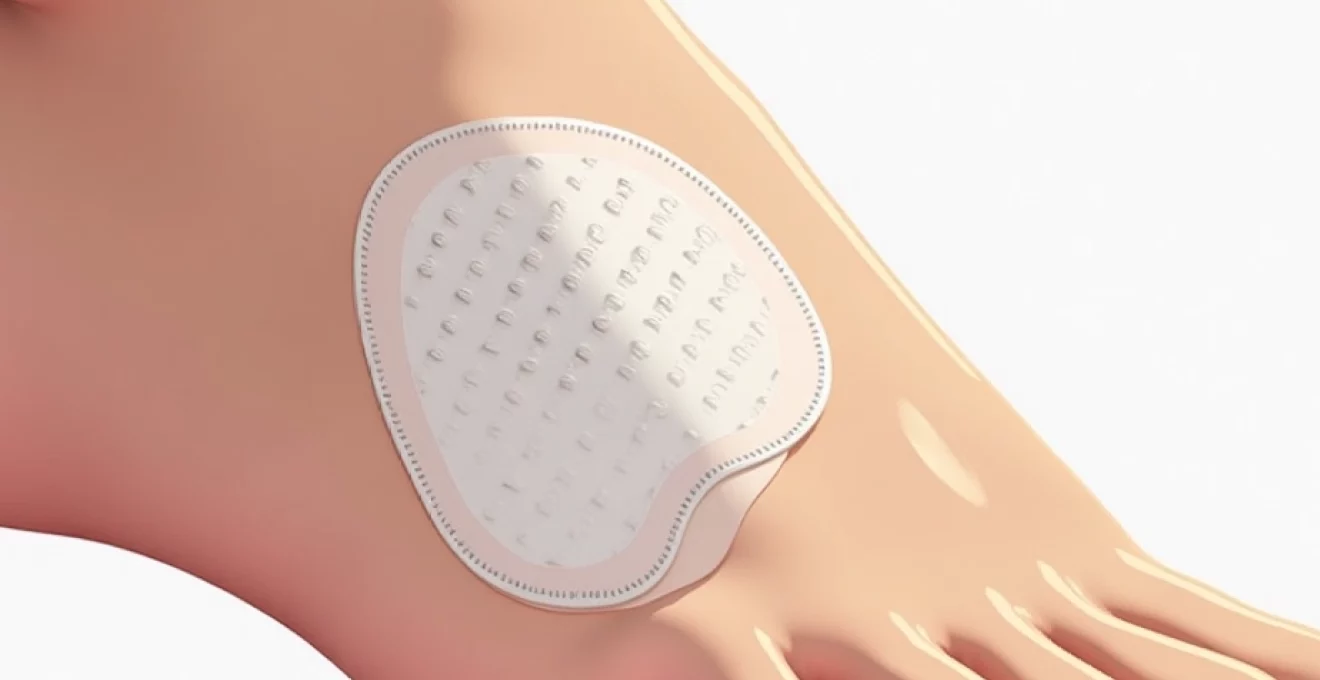
When you apply Dr. Scholl’s callus remover patches to stubborn, thickened skin, you might notice an unexpected side effect: the treated area turns white. This phenomenon occurs due to the powerful active ingredient salicylic acid, which creates specific chemical and physiological changes in your skin tissue. The whitening effect represents a normal response to the keratolytic action of the medication, indicating that the treatment is working as intended to break down hardened skin cells.
Understanding why this discolouration occurs helps you make informed decisions about callus treatment and recognise when the whitening indicates successful therapy versus potential complications. The colour change typically appears within 24-48 hours of application and may persist for several days after patch removal. This temporary alteration in skin appearance stems from multiple mechanisms, including protein coagulation, cellular hydration changes, and the acidic environment created by the treatment patch.
Salicylic acid mechanism: how dr. scholl’s active ingredient causes skin whitening
The primary mechanism behind skin whitening involves salicylic acid’s ability to dissolve the intercellular cement that holds dead skin cells together. When you apply a Dr. Scholl’s callus remover patch, the 40% salicylic acid concentration creates an intensely acidic environment on your skin surface. This acidic condition causes proteins within the stratum corneum to coagulate and change their optical properties, resulting in the characteristic white appearance.
Keratolytic action of 40% salicylic acid concentration in mediplast technology
Dr. Scholl’s utilises a sophisticated delivery system that maintains consistent salicylic acid contact with your callused tissue. The keratolytic action begins immediately upon application, as the acid penetrates through the tough, keratinised surface layer. This process disrupts the normal structure of keratin proteins, causing them to swell and lose their typical transparency. The Mediplast technology ensures that the active ingredient remains stable and potent throughout the treatment duration, typically 48 hours per application.
The concentration of 40% represents the maximum strength available in over-the-counter formulations, creating rapid and visible changes in callus tissue. This high concentration explains why the whitening effect appears so pronounced compared to lower-strength salicylic acid products. The keratolytic process continues working even after visible whitening occurs, gradually softening deeper layers of hardened skin.
Cellular protein coagulation and maceration effects on epidermal layers
Protein coagulation occurs when salicylic acid alters the molecular structure of keratin and other skin proteins. This process resembles what happens when you cook an egg white – the proteins change from transparent to opaque white. In your callused skin, this coagulation makes previously translucent dead skin cells appear distinctly white and swollen.
Maceration accompanies protein coagulation as tissues absorb moisture from the occluded environment beneath the patch. The combination of chemical breakdown and increased hydration creates the soft, white appearance that indicates successful callus treatment. This maceration effect helps prepare the callused tissue for gentle removal once the patch is discontinued.
Ph alteration and acidic environment impact on melanin distribution
The dramatic pH reduction caused by concentrated salicylic acid affects melanin distribution within the treated skin area. Normal skin maintains a slightly acidic pH of approximately 5.5, but salicylic acid patches can lower this to around 2.0-3.0 in the immediate treatment zone. This acidic environment causes melanin pigments to clump together and lose their even distribution, contributing to the overall whitening effect.
pH alteration also affects the skin’s natural barrier function, allowing the active ingredient to penetrate more effectively. The acidic environment denatures proteins more readily and accelerates the breakdown of intercellular adhesions that keep callused skin intact. This process explains why the whitening often appears more intense at the centre of the treatment area, where acid concentration remains highest.
Hydration response and swelling of stratum corneum tissue
The occlusive nature of Dr. Scholl’s callus remover patches creates a humid environment that dramatically increases tissue hydration. Your callused skin, normally dry and compact, begins absorbing moisture from the enclosed air space beneath the patch. This hydration causes individual skin cells to swell significantly, altering their optical properties and contributing to the white appearance.
Swelling occurs because the salicylic acid disrupts the natural water barrier function of the stratum corneum. As cells absorb excess moisture, they become translucent and white, similar to how your fingertips appear after prolonged water exposure. This hydration response serves a therapeutic purpose by softening the callused tissue and making it easier to remove once treatment is complete.
Chemical composition analysis: dr. scholl’s callus remover formulation components
Understanding the complete chemical composition of Dr. Scholl’s callus remover patches helps explain not only the whitening effect but also the treatment’s overall efficacy. The formulation combines pharmaceutical-grade active ingredients with sophisticated delivery technology to ensure consistent results across different skin types and callus severities.
Salicylic acid USP grade concentration and pharmaceutical standards
The salicylic acid used in Dr. Scholl’s products meets United States Pharmacopeia (USP) standards for purity and potency. This pharmaceutical-grade ingredient ensures consistent therapeutic effects and minimises the risk of adverse reactions from impurities. The 40% concentration represents the optimal balance between efficacy and safety for over-the-counter use.
USP grade salicylic acid undergoes rigorous testing for heavy metals, microbial contamination, and chemical purity. This quality control process ensures that each patch delivers the intended dose without introducing harmful contaminants. The pharmaceutical standards also specify proper crystalline structure, which affects how quickly the acid dissolves and penetrates skin tissue.
Adhesive matrix technology and occlusive patch design
The adhesive matrix serves dual purposes: securing the patch in place and creating an occlusive environment that enhances salicylic acid penetration. This technology incorporates the active ingredient directly into the adhesive layer, ensuring intimate contact with your skin throughout the treatment period. The occlusive design prevents moisture loss and maintains optimal conditions for keratolytic action.
Advanced polymer chemistry creates an adhesive that remains secure during normal daily activities while allowing controlled release of the active ingredient. The matrix design ensures uniform drug distribution across the entire patch surface, preventing hot spots that could cause excessive skin damage. This controlled release mechanism contributes to the gradual onset and consistent appearance of skin whitening.
Inactive ingredients: Rubber-Based adhesives and stabilising agents
Inactive ingredients play crucial roles in patch performance and patient safety. Rubber-based adhesives provide the mechanical properties needed for reliable skin adhesion while remaining gentle enough for sensitive areas. These adhesives undergo biocompatibility testing to ensure they won’t cause allergic reactions in most users.
Stabilising agents prevent the salicylic acid from degrading during storage and maintain its potency throughout the product’s shelf life. These compounds also help regulate the pH and prevent unwanted chemical reactions that could reduce efficacy. The complete inactive ingredient profile supports the active ingredient’s therapeutic action while ensuring patient comfort and safety.
Dermatological reactions: clinical manifestations of topical salicylic acid application
The whitening of skin represents just one aspect of the complex dermatological response to high-concentration salicylic acid treatment. Understanding the full spectrum of reactions helps you distinguish between normal therapeutic responses and potential complications requiring medical attention.
Hyperkeratotic tissue softening and white discolouration patterns
Hyperkeratotic tissue, the medical term for callused skin, responds predictably to salicylic acid treatment. The whitening typically begins at the edges of the treated area and gradually spreads toward the centre as the acid penetrates deeper layers. This pattern reflects the natural architecture of callused tissue, with varying thickness across the affected area.
The intensity of white discolouration correlates directly with the degree of hyperkeratosis present. Thicker calluses often show more pronounced whitening because they contain more keratin protein available for coagulation. This relationship helps explain why some individuals experience dramatic colour changes while others notice only subtle whitening effects.
Inflammatory response and localised oedema formation
A mild inflammatory response typically accompanies successful callus treatment, manifesting as slight redness around the treated area. This inflammation represents your immune system’s normal reaction to the chemical breakdown of tissue. The inflammatory response helps facilitate the removal of dead skin cells and promotes healthy tissue regeneration.
Localised oedema, or swelling, may occur as capillaries dilate in response to the treatment. This physiological response increases blood flow to the area, supporting the healing process while contributing to the overall change in skin appearance. The combination of inflammation and oedema can make the whitening effect appear more pronounced during the first few days after treatment.
Desquamation process and dead skin cell accumulation
Desquamation, the natural process of skin cell shedding, accelerates dramatically during salicylic acid treatment. The whitened skin you observe consists partly of dead cells that have been chemically loosened but not yet shed from the surface. These accumulating cells create a white, flaky appearance that gradually resolves as the natural shedding process continues.
The timing of desquamation varies among individuals, typically beginning 2-3 days after patch removal. During this phase, you may notice increased flaking and peeling in the treated area. This process is essential for callus resolution and should not be artificially accelerated through aggressive scrubbing or mechanical removal.
Vascular response and reduced blood flow to treated areas
The acidic environment created by salicylic acid patches can temporarily affect local blood circulation. Some individuals experience reduced blood flow to treated areas, contributing to the pale or white appearance of the skin. This vascular response typically resolves within days of treatment completion as normal circulation patterns resume.
Reduced blood flow may also result from the mechanical pressure of the adhesive patch, which can compress small blood vessels near the skin surface. The combination of chemical and mechanical factors creates a complex vascular response that influences both the appearance and healing characteristics of treated tissue. Understanding this response helps you recognise normal treatment effects versus concerning complications.
Safety protocols: managing salicylic Acid-Induced skin whitening events
While skin whitening represents a normal response to Dr. Scholl’s callus remover treatment, proper safety protocols ensure optimal outcomes and prevent complications. Implementing appropriate monitoring and care strategies helps you achieve successful callus resolution while minimising risks associated with high-concentration salicylic acid exposure.
The key to safe treatment lies in understanding when whitening indicates successful therapy versus excessive tissue damage. Normal whitening should be confined to the callused area and resolve gradually after treatment completion. However, certain warning signs may indicate the need for immediate treatment discontinuation and medical evaluation.
Monitoring the extent and progression of skin whitening helps identify potential problems early. If whitening extends significantly beyond the intended treatment area, or if you experience severe pain, burning, or signs of infection, discontinue use immediately. These symptoms may indicate chemical burn or allergic reaction requiring professional medical attention.
Proper patch application technique significantly influences both treatment efficacy and safety outcomes. Ensure the patch adheres only to callused tissue, avoiding contact with normal, healthy skin whenever possible. The adhesive should create a secure seal without causing excessive pressure or discomfort that could compromise local circulation.
Patients with diabetes or circulation problems should consult healthcare providers before using any salicylic acid callus treatment, as these conditions increase the risk of complications and delayed healing.
Post-treatment care plays a crucial role in managing the whitening phase safely. Keep the treated area clean and dry, avoiding harsh scrubbing or aggressive removal of whitened tissue. Allow the natural desquamation process to proceed at its own pace, providing gentle moisturising support as needed once the acute treatment phase concludes.
Documentation of your skin’s response helps track treatment progress and identify any unusual patterns. Consider photographing the treated area before application and at regular intervals during treatment. This visual record can prove valuable if you need to consult a healthcare provider about your response to treatment.
Alternative podiatric treatments: professional callus removal methods beyond dr. scholl’s
While Dr. Scholl’s callus remover patches offer convenient home treatment, several professional alternatives exist for individuals who experience excessive whitening, adverse reactions, or inadequate results from over-the-counter options. These professional methods often provide more precise control over treatment parameters and reduced risk of unwanted side effects.
Professional debridement procedures performed by podiatrists utilise specialised instruments to mechanically remove callused tissue without chemicals. This approach eliminates the whitening effect associated with salicylic acid while providing immediate callus reduction. Podiatrists can precisely control the depth and extent of tissue removal, minimising damage to healthy surrounding skin.
Cryotherapy represents another professional alternative that uses controlled freezing to destroy callused tissue. This method typically causes less dramatic colour changes than chemical treatments, though temporary redness and swelling may occur. The precision of professional cryotherapy equipment allows for targeted treatment of specific callus areas without affecting adjacent healthy tissue.
Laser therapy has emerged as a sophisticated option for callus treatment, offering precise tissue removal with minimal impact on surrounding skin. Various laser wavelengths can target different tissue components, allowing podiatrists to customise treatment based on individual callus characteristics. This technology often produces less visible skin changes compared to chemical methods.
Professional callus treatment typically requires multiple sessions but offers superior precision and safety compared to over-the-counter chemical options, particularly for individuals with complex medical histories.
Custom orthotics and pressure redistribution devices address the underlying mechanical causes of callus formation. By correcting abnormal pressure patterns, these devices can prevent callus recurrence while allowing existing tissue to resolve naturally. This preventive approach eliminates the need for repeated chemical treatments and their associated whitening effects.
Prescription-strength keratolytic agents offer an intermediate option between over-the-counter products and invasive procedures. These medications, available only through healthcare providers, can be formulated with specific concentrations and additional ingredients to minimise side effects while maintaining therapeutic efficacy. Professional supervision ensures appropriate monitoring and adjustment of treatment protocols.
The choice between home treatment and professional intervention depends on multiple factors, including the severity of your callus, your medical history, and your tolerance for the whitening effects of salicylic acid. Consulting with a podiatrist can help you evaluate these factors and select the most appropriate treatment approach for your specific situation. Professional evaluation becomes particularly important if you experience unusual reactions to over-the-counter treatments or have underlying health conditions that complicate wound healing.