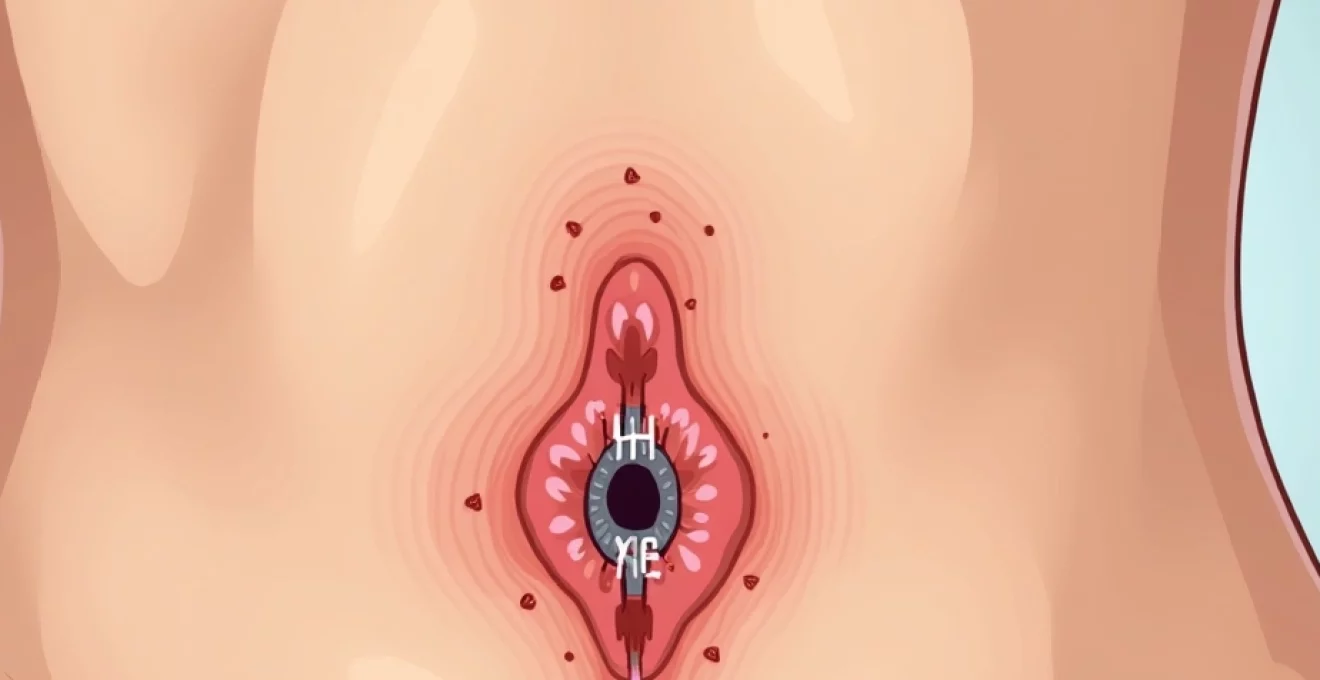
Belly button piercings remain one of the most popular body modifications, yet many individuals struggle with prolonged healing times or complications that prevent proper recovery. Unlike other piercing locations, the navel presents unique anatomical and physiological challenges that can significantly impact the healing process. Understanding why these piercings sometimes fail to heal properly requires examining multiple interconnected factors, from the complex anatomy of the umbilical region to the specific bacterial environments that can develop around jewellery.
The healing complications associated with navel piercings often stem from a combination of anatomical limitations, inadequate aftercare protocols, and environmental factors that create less-than-ideal conditions for tissue regeneration. Many people underestimate the complexity involved in healing a piercing through what is essentially scar tissue from birth, compounded by the constant movement and friction this area experiences throughout daily activities.
Anatomical factors affecting navel piercing healing process
The umbilical region presents several anatomical challenges that distinguish it from other piercing locations. The navel itself is formed from the remnants of the umbilical cord attachment point, creating a unique landscape of scar tissue, varying depths, and irregular contours. This anatomical complexity directly influences how well a piercing can establish itself and heal successfully.
Umbilical scar tissue density and collagen distribution
The belly button consists primarily of dense scar tissue formed during foetal development and the healing process following birth. This scar tissue has a fundamentally different collagen structure compared to normal skin, with less organised fibre patterns and reduced elasticity. When a piercing needle passes through this area, it encounters varying densities of collagen that can create uneven healing patterns.
The irregular collagen distribution in umbilical scar tissue often leads to inconsistent healing responses. Some areas may heal rapidly whilst others lag behind, creating weak points where complications can develop. This uneven healing process frequently results in migration, where the jewellery gradually moves toward the surface of the skin as the body attempts to expel what it perceives as a foreign object.
Vascular supply limitations in periumbilical region
One of the most significant factors affecting navel piercing healing is the limited blood supply in the periumbilical region. The abdomen is considered an avascular area, meaning it lacks the rich network of blood vessels found in other body regions. This reduced vascular supply directly impacts the delivery of oxygen, nutrients, and immune cells necessary for proper wound healing.
The poor circulation in this area means that healing times are naturally extended compared to well-vascularised regions like the earlobes or nose. Without adequate blood flow, the piercing site struggles to maintain the cellular activity required for tissue regeneration , leading to prolonged inflammation and increased susceptibility to complications. This limitation becomes even more pronounced in individuals with circulation issues or certain medical conditions that further compromise blood flow.
Sebaceous gland activity and natural oil production
The navel area contains numerous sebaceous glands that produce natural oils and can harbour bacteria in the deep folds of the umbilicus. These glands can become disrupted during the piercing process, potentially leading to cyst formation or ongoing drainage issues. The natural oils produced in this region can also interfere with the formation of healthy granulation tissue around the jewellery.
Excessive sebaceous gland activity can create an environment where bacteria thrive, particularly anaerobic species that flourish in the oxygen-poor depths of the navel. This bacterial proliferation can lead to chronic low-grade infections that prevent proper healing and may not present with obvious symptoms until significant tissue damage has occurred.
Abdominal movement impact on tissue regeneration
The constant movement of the abdominal muscles and torso creates mechanical stress on healing navel piercings. Every breath, movement, and change in posture generates micro-movements that can disrupt the delicate process of tissue regeneration. This mechanical stress is particularly problematic during the initial healing phase when new tissue is most vulnerable to disruption.
The stretching and compression forces exerted on the piercing site during normal daily activities can cause micro-tears in developing tissue, essentially restarting the healing process repeatedly. This cycle of disruption and repair can extend healing times significantly and increase the likelihood of scar tissue formation . Activities such as bending, twisting, or even laughing can generate enough movement to interfere with the healing process, particularly in the first few months following the piercing.
Bacterial colonisation and infection pathways in belly button piercings
The navel’s unique anatomical structure creates an ideal environment for bacterial colonisation, with its deep folds and limited air circulation providing perfect conditions for various pathogenic organisms. Understanding the specific bacterial threats associated with navel piercings helps explain why these modifications are particularly susceptible to infectious complications that can prevent proper healing.
Staphylococcus aureus and MRSA contamination risks
Staphylococcus aureus represents one of the most common and dangerous bacterial threats to healing navel piercings. This opportunistic pathogen naturally resides on human skin but can become problematic when introduced to the compromised tissue around a fresh piercing. The warm, moist environment of the navel provides ideal conditions for rapid bacterial multiplication.
Methicillin-resistant Staphylococcus aureus (MRSA) poses an even greater threat, as these antibiotic-resistant strains can establish persistent infections that are extremely difficult to eradicate. MRSA contamination often occurs through contact with contaminated surfaces or improper aftercare practices. Once established, these infections can cause extensive tissue damage and may require aggressive medical intervention to resolve, significantly prolonging the healing process or preventing it entirely.
Pseudomonas aeruginosa growth in moist environments
The consistently moist environment within the navel creates perfect conditions for Pseudomonas aeruginosa colonisation. This gram-negative bacterium thrives in wet conditions and is notorious for its ability to form biofilms that protect it from both the immune system and antimicrobial treatments. Pseudomonas infections often present with a distinctive blue-green discharge and a characteristic sweet, grape-like odour.
Biofilm formation by Pseudomonas represents a particular challenge for healing navel piercings.
These protective bacterial communities can establish themselves on jewellery surfaces, creating a persistent source of infection that resists conventional treatment approaches.
The bacteria within biofilms can be up to 1000 times more resistant to antibiotics than their free-floating counterparts, making successful treatment extremely challenging.
Candida albicans overgrowth in deep navel cavities
Fungal infections, particularly those caused by Candida albicans, frequently complicate navel piercing healing. The deep folds of certain navel anatomies create anaerobic conditions that favour fungal growth over bacterial competition. Candida overgrowth often occurs following antibiotic treatment for bacterial infections, as the medication disrupts the natural bacterial balance that normally keeps fungal populations in check.
Candida infections typically present as persistent redness, itching, and a cottage cheese-like discharge. These fungal infections can be particularly stubborn and may require antifungal medications to resolve. The presence of fungal overgrowth can significantly delay healing by maintaining chronic inflammation and preventing the formation of healthy granulation tissue around the piercing site.
Streptococcus pyogenes transmission through contact sports
Group A Streptococcus (Streptococcus pyogenes) represents a serious threat to healing navel piercings, particularly for individuals who participate in contact sports or activities involving shared equipment. This highly contagious bacterium can cause rapidly spreading infections that may progress to life-threatening conditions if left untreated.
Streptococcal infections of navel piercings often begin as cellulitis around the piercing site but can quickly spread to surrounding tissues. The bacteria’s ability to produce various toxins and enzymes allows it to break down tissue barriers rapidly, leading to extensive tissue damage. Early recognition and treatment are crucial, as delayed intervention can result in permanent scarring or systemic complications that may require hospitalisation.
Jewellery material compatibility and biocompatibility issues
The choice of jewellery material plays a crucial role in determining whether a navel piercing will heal successfully. Many healing complications stem from adverse reactions to specific metals or materials that create ongoing inflammation and prevent proper tissue integration. Understanding biocompatibility requirements becomes essential for achieving successful healing outcomes.
Surgical-grade materials represent the gold standard for initial navel piercing jewellery. ASTM F-136 titanium and ASTM F-138 surgical steel offer excellent biocompatibility with minimal risk of allergic reactions. These materials resist corrosion in the body’s saline environment and maintain their structural integrity over time. However, even high-quality materials can cause problems if the jewellery design or sizing is inappropriate for the individual’s anatomy.
Nickel allergies affect approximately 10-15% of the population and represent one of the most common causes of jewellery-related healing complications. Even small amounts of nickel in supposedly “hypoallergenic” materials can trigger persistent allergic reactions that manifest as chronic inflammation, discharge, and delayed healing. The allergic response creates a cycle of tissue damage and repair that prevents the establishment of stable tissue around the jewellery .
The size and gauge of initial piercing jewellery significantly impact healing success. Jewellery that is too small or too large for the individual’s anatomy can create mechanical stress that interferes with healing. Barbells that are too short may embed in swelling tissue, whilst those that are too long can catch on clothing and experience excessive movement. The standard 14-gauge thickness represents a compromise between structural stability and tissue trauma, but some individuals may benefit from alternative sizing based on their specific anatomy.
Surface treatments and finishes on jewellery can also affect biocompatibility. Anodised titanium, whilst generally safe, may cause reactions in particularly sensitive individuals. Similarly, gold-plated jewellery can lose its coating over time, exposing underlying base metals that may trigger allergic reactions.
The key to successful healing lies in selecting jewellery that not only meets biocompatibility standards but also suits the individual’s specific anatomical requirements and sensitivity profile.
Aftercare protocol failures and common maintenance mistakes
Proper aftercare represents the cornerstone of successful navel piercing healing, yet many individuals inadvertently sabotage their healing process through well-intentioned but misguided care practices. Understanding common aftercare failures helps explain why some piercings struggle to heal despite the individual’s best efforts to maintain cleanliness and follow guidance.
Saline solution concentration errors and ph imbalances
Saline solution preparation errors rank among the most common aftercare mistakes that can impede healing. Many individuals create solutions that are either too concentrated or too dilute, both of which can disrupt the delicate healing environment. A solution that is too strong can desiccate healing tissues and cause chemical burns, whilst one that is too weak fails to provide adequate cleansing action.
The optimal saline concentration for wound care is 0.9%, matching the body’s natural isotonic balance. Solutions significantly above or below this concentration can cause cellular damage through osmotic stress. Additionally, using tap water instead of distilled water to prepare saline solutions introduces chlorine, fluoride, and other chemicals that can irritate healing tissues and potentially introduce harmful bacteria or parasites.
pH balance represents another critical factor often overlooked in aftercare protocols. The skin’s natural pH is slightly acidic, around 5.5, which helps maintain the skin’s protective acid mantle. Using alkaline solutions or products can disrupt this protective barrier, creating conditions that favour bacterial growth and interfere with natural healing processes . Commercial saline solutions designed for wound care maintain appropriate pH levels, making them preferable to homemade alternatives.
Over-cleaning syndrome and disrupted healing cascade
Whilst maintaining cleanliness is essential for proper healing, excessive cleaning can be counterproductive and actually delay the healing process. Over-cleaning syndrome occurs when individuals clean their piercing too frequently or too aggressively, disrupting the natural healing cascade and removing beneficial bacteria that help maintain a healthy wound environment.
The healing process relies on a carefully orchestrated sequence of inflammatory responses, cellular migration, and tissue remodelling. Excessive cleaning can remove the protective fibrin clots and developing granulation tissue that are essential for proper healing. This disruption forces the body to repeatedly restart the healing process, significantly extending recovery time and increasing the risk of complications.
Aggressive cleaning techniques, such as using cotton swabs to scrub around the piercing or rotating the jewellery excessively, can cause mechanical trauma that perpetuates inflammation. The movement and manipulation associated with over-zealous cleaning can create micro-tears in developing tissue and introduce bacteria from surrounding areas into the healing wound.
Antiseptic overuse and beneficial bacteria elimination
Many individuals believe that stronger antiseptics will promote better healing, leading to the overuse of products such as hydrogen peroxide, rubbing alcohol, or iodine-based solutions. These harsh antiseptics can cause significant tissue damage and actually impede the healing process by destroying both harmful and beneficial microorganisms indiscriminately.
The skin’s microbiome plays a crucial role in maintaining healthy wound healing conditions. Beneficial bacteria help compete with pathogenic organisms and support the immune system’s response to healing challenges.
Excessive use of broad-spectrum antiseptics eliminates this protective bacterial population, creating an ecological vacuum that can be filled by more aggressive pathogenic species.
Hydrogen peroxide, in particular, can cause significant tissue damage through its oxidative effects. Whilst it effectively kills bacteria, it also damages newly forming tissue and can delay healing by several weeks. The bubbling action that many people associate with cleaning effectiveness actually represents cellular damage occurring in real-time.
Clothing friction and mechanical trauma during recovery
Mechanical trauma from clothing represents one of the most underestimated factors in navel piercing healing failures. Tight-fitting clothing, rough fabrics, and waistbands that sit directly across the piercing site can cause constant irritation that prevents proper tissue development. Even seemingly minor friction can be sufficient to disrupt the delicate healing process.
The choice of clothing materials becomes particularly important during the healing process. Synthetic fabrics that don’t breathe well can create a moist environment that encourages bacterial growth, whilst rough textures can cause mechanical abrasion. Natural fibres such as cotton allow better air circulation and are generally less irritating to healing tissues, though they must still be kept clean to prevent bacterial contamination.
Sleeping positions and bedding choices also contribute to mechanical trauma. Individuals who sleep on their stomach or side may unknowingly apply pressure to their healing piercing throughout the night. This sustained pressure can cause inflammation and may contribute to migration as the body attempts to move the jewellery away from the source of irritation . Using protective padding or adjusting sleep positions can help minimise this nocturnal trauma.
Medical contraindications and pre-existing health conditions
Certain medical conditions and health factors can significantly impact the body’s ability to heal navel piercings successfully. Understanding these contraindications helps explain why some individuals experience persistent healing problems despite following proper aftercare protocols and using appropriate jewellery materials.
Diabetes mellitus represents one of the most significant risk factors for piercing complications. Elevated blood glucose levels impair the body’s natural healing mechanisms by affecting white blood cell function, reducing circulation, and creating an environment that favours bacterial growth. Diabetic individuals often experience slower healing times and higher infection rates, particularly if their blood sugar levels are poorly controlled. The neuropathy associated with diabetes can also mask early signs of infection, allowing complications to progress unrecognised.
Autoimmune disorders such as rheumatoid arthritis, lupus, and Crohn’s disease can interfere with normal healing processes through chronic inflammation and immune system dysfunction. Medications used to treat these conditions, particularly immunosuppressants and corticosteroids, further compromise the body’s ability to fight infection and heal wounds. Individuals with autoimmune conditions may require extended healing times and closer monitoring for complications.
Circulatory disorders, including peripheral arterial disease and venous insufficiency, can significantly impact healing by reducing blood flow to the piercing site. The abdomen’s already limited vascular supply becomes even more compromised in individuals with circulation problems, leading to delayed healing and increased risk of tissue necrosis. Smoking exacerbates these circulatory issues by further reducing oxygen delivery to healing tissues.
Keloid and hypertrophic scar formation tendencies represent important considerations for navel piercing candidates. Individuals with a history of abnormal scarring may develop excessive scar tissue around their piercing
that can interfere with proper jewellery placement and healing. These individuals may require alternative jewellery styles or may not be suitable candidates for navel piercings at all.Eating disorders and malnutrition significantly impact the body’s ability to heal wounds effectively. Protein deficiency, in particular, impairs collagen synthesis and cellular repair mechanisms essential for proper piercing healing. Individuals with anorexia nervosa or bulimia may experience delayed healing times and increased complication rates due to compromised nutritional status and weakened immune function.Blood clotting disorders, whether inherited or acquired, present serious risks for piercing procedures. Conditions such as haemophilia or the use of anticoagulant medications can lead to excessive bleeding during the piercing process and may result in haematoma formation that interferes with healing. These individuals require careful medical evaluation and potentially modified aftercare protocols to ensure safe healing outcomes.Pregnancy represents a temporary but significant contraindication for navel piercings. The dramatic changes in abdominal size and skin elasticity during pregnancy can cause existing piercings to migrate or tear. Additionally, the immunosuppressive effects of pregnancy can increase infection risk, whilst hormonal changes may affect healing responses and scar formation patterns.
Professional piercing technique variables and healing outcomes
The technical expertise and methodology employed by professional piercers significantly influence healing success rates for navel piercings. Even with optimal anatomy and perfect aftercare compliance, poor piercing technique can doom a modification to failure from the moment the needle passes through the tissue.Needle selection and piercing angle represent critical technical factors that many clients overlook when choosing a piercer. The use of appropriate gauge needles that match the intended jewellery size minimises tissue trauma and creates clean wound channels that heal more predictably. Piercing angles that don’t account for the individual’s unique anatomy can create stress points where the jewellery doesn’t sit naturally, leading to migration and eventual rejection.The depth of piercing placement requires careful consideration of each client’s specific anatomy. Piercings placed too superficially through only skin layers are essentially surface piercings that will almost inevitably reject, whilst those placed too deeply may encounter blood vessels or create excessive tissue trauma. Experienced piercers assess the thickness of the navel rim and adjust their technique accordingly to ensure optimal placement through appropriate tissue layers.Sterilisation protocols and cross-contamination prevention directly impact healing outcomes through their effect on initial bacterial load. Piercers who maintain strict aseptic techniques significantly reduce the risk of introducing pathogenic organisms during the procedure. This includes proper instrument sterilisation, single-use needle policies, and sterile jewellery handling throughout the entire process.
The piercing environment itself plays a crucial role in healing success, with factors such as air quality, surface cleanliness, and equipment maintenance all contributing to the overall risk profile of the procedure.
Jewellery insertion technique affects the amount of tissue trauma created during the piercing process. Skilled piercers can minimise bleeding and tissue damage through smooth, confident jewellery insertion that doesn’t require multiple attempts or excessive manipulation. This reduced trauma translates directly to faster initial healing and lower complication rates.The timing of aftercare instruction delivery and the quality of information provided significantly influence client compliance and healing outcomes. Piercers who provide comprehensive written aftercare instructions along with verbal guidance achieve better client outcomes than those who rely solely on verbal communication. Additionally, piercers who remain available for follow-up questions and concerns can identify developing problems early and guide clients toward appropriate interventions.Post-piercing assessment and follow-up protocols vary significantly between piercing establishments. Professional piercers who schedule follow-up appointments or maintain contact with clients during the initial healing phase can identify complications early and provide guidance that prevents minor issues from becoming major problems. This ongoing relationship between piercer and client represents a crucial factor in successful healing outcomes.The piercer’s experience with navel anatomy variations directly correlates with successful placement and healing rates. Piercers who have extensive experience with different navel types, including outie navels, post-pregnancy changes, and surgically altered anatomy, can make informed decisions about piercing feasibility and optimal placement strategies. This expertise cannot be easily quantified but represents a critical factor in achieving positive outcomes.Quality control measures within piercing establishments, including peer review of technique and ongoing education requirements, contribute to consistent positive outcomes. Studios that maintain high professional standards and require continuing education for their piercers typically achieve better healing success rates than those operating with minimal oversight or outdated practices.The integration of current medical knowledge into piercing practices represents another variable affecting healing outcomes. Piercers who stay informed about advances in wound healing research, infection control measures, and biocompatible materials can adapt their practices to incorporate new evidence-based approaches that improve client outcomes. This commitment to professional development distinguishes exceptional piercers from those who rely solely on traditional techniques without scientific validation.