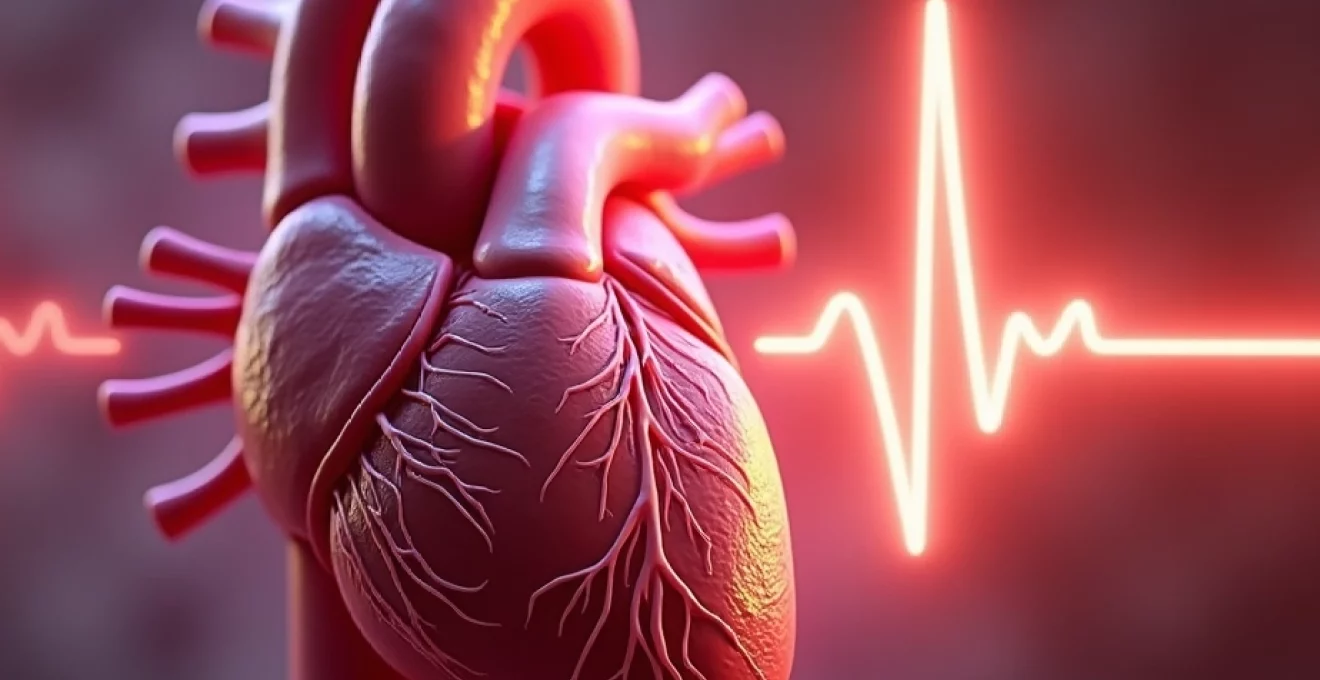
At 13 weeks gestation, the fetal heart represents one of the most remarkable and complex developmental achievements in human embryology. This tiny organ, now roughly the size of a corn grain, beats with remarkable precision at approximately 145-175 beats per minute, significantly faster than an adult heart. Understanding what the fetal heartbeat looks like at this crucial stage provides expectant parents and healthcare professionals with valuable insights into cardiac development and potential abnormalities. The sophisticated imaging techniques available today allow us to visualise intricate cardiac structures and blood flow patterns that were impossible to detect just decades ago.
Modern ultrasound technology, particularly colour Doppler and advanced echocardiography, reveals the extraordinary complexity of fetal cardiac function at 13 weeks. The four-chambered heart structure is now clearly visible, with distinct atrial and ventricular chambers working in coordinated harmony. This developmental milestone marks a critical period where many congenital heart defects can be identified through specialised scanning techniques, making early detection and intervention possible.
Fetal cardiac development at 13 weeks gestation
The cardiac development at 13 weeks represents a pinnacle of embryological achievement, with the heart having undergone remarkable transformation from a simple tube structure to a sophisticated four-chambered organ. During this period, the fetal heart demonstrates mature cardiac architecture with fully formed atrial and ventricular chambers, complete septation, and functional cardiac valves. The heart’s positioning within the thoracic cavity becomes more anatomically correct, with the cardiac apex pointing towards the left side of the chest.
Blood circulation patterns at 13 weeks show the characteristic fetal circulation, which differs significantly from postnatal circulation. The presence of right-to-left shunting through the foramen ovale and ductus arteriosus allows oxygenated blood from the placenta to bypass the non-functioning fetal lungs. This unique circulation pattern ensures optimal oxygen delivery to developing organs, particularly the rapidly growing brain and vital organs.
Four-chamber heart structure formation
The four-chamber view at 13 weeks reveals distinct right and left atrial chambers, separated by the interatrial septum, and right and left ventricular chambers divided by the interventricular septum. Each chamber demonstrates appropriate size relationships, with the right ventricle typically appearing slightly larger than the left ventricle due to increased workload in fetal circulation. The cardiac chambers show rhythmic contraction patterns, with atrial and ventricular contractions occurring in proper sequence.
Cardiac valve formation reaches maturity at this stage, with tricuspid, pulmonary, mitral, and aortic valves displaying proper leaflet structure and competent function. The atrioventricular valves (tricuspid and mitral) show coordinated opening and closing with ventricular filling and emptying cycles. Valve competency assessment becomes crucial for detecting conditions such as tricuspid regurgitation, which may indicate underlying cardiac abnormalities or chromosomal conditions.
Atrial and ventricular septation completion
By 13 weeks, the interventricular septum demonstrates complete structural formation, though the foramen ovale remains patent as part of normal fetal circulation. The muscular and membranous portions of the ventricular septum show proper alignment and thickness, creating effective separation between the systemic and pulmonary circulation circuits. Any defects in septal formation, such as ventricular septal defects, become increasingly apparent through advanced imaging techniques.
Atrial septation shows the characteristic appearance of the septum primum and septum secundum, with the foramen ovale facilitating essential right-to-left shunting. The atrial septum positioning and flap valve mechanism of the foramen ovale demonstrate proper functionality, allowing preferential flow of oxygenated blood towards the left atrium and subsequently to the systemic circulation.
Cardiac conduction system maturation
The cardiac conduction system at 13 weeks shows remarkable sophistication, with the sinoatrial node establishing the primary pacemaker function and generating regular electrical impulses. The atrioventricular node demonstrates appropriate conduction delays, allowing proper timing between atrial and ventricular contractions. This electrical maturation results in the characteristic fetal heart rate patterns observed through monitoring.
Conduction system abnormalities may manifest as cardiac arrhythmias, including bradycardia (heart rate below 100 beats per minute), tachycardia (heart rate above 200 beats per minute), or irregular rhythms. These rhythm disturbances can indicate underlying structural heart disease or genetic conditions affecting cardiac electrical activity.
Foramen ovale and ductus arteriosus functionality
The foramen ovale at 13 weeks demonstrates optimal functionality, creating a crucial pathway for oxygenated blood to bypass the right ventricle and reach the left atrium directly. This shunting mechanism ensures that the most oxygenated blood from the placenta preferentially supplies the fetal brain and upper body organs. The size and flow characteristics of the foramen ovale can be assessed using colour Doppler imaging.
The ductus arteriosus connects the main pulmonary artery to the descending aorta, allowing blood to bypass the non-functioning fetal lungs. At 13 weeks, this vessel shows robust blood flow patterns with characteristic bidirectional flow during different phases of the cardiac cycle. Ductal constriction or abnormal flow patterns may indicate potential cardiac abnormalities or respond to maternal medications affecting prostaglandin levels.
Doppler ultrasound imaging techniques for 13-week fetal hearts
Advanced Doppler ultrasound techniques provide unprecedented visualisation of fetal cardiac structures and function at 13 weeks gestation. These sophisticated imaging modalities allow detailed assessment of cardiac anatomy, blood flow patterns, and rhythm characteristics that were previously undetectable at such early gestational ages. The combination of high-resolution imaging and colour-flow mapping creates comprehensive cardiac evaluations comparable to neonatal echocardiography studies.
Modern ultrasound equipment utilises multiple transducer frequencies and advanced signal processing algorithms to optimise image quality for fetal cardiac assessment. The ability to visualise cardiac structures measuring just millimetres requires exceptional technical expertise and specialised equipment designed specifically for fetal applications. These technological advances have revolutionised early cardiac screening, enabling detection of up to 80% of major cardiac anomalies during the first trimester.
Transvaginal sonography cardiac assessment methods
Transvaginal ultrasound approaches provide superior image resolution for fetal cardiac assessment at 13 weeks due to the closer proximity to the uterus and reduced interference from maternal tissues. The higher frequency transducers used in transvaginal scanning offer enhanced detail of small cardiac structures, making it possible to visualise valve leaflets, septal integrity, and vessel connections with remarkable clarity.
The technique requires careful probe positioning and optimal acoustic windows to achieve comprehensive cardiac views. Standard imaging planes include the four-chamber view, left and right outflow tract views, and three-vessel trachea view. Each imaging plane provides specific information about cardiac structure and function, contributing to a complete cardiovascular assessment.
Colour doppler flow pattern analysis
Colour Doppler imaging reveals blood flow patterns within the fetal heart and great vessels, providing crucial information about cardiac function and potential abnormalities. The technique uses different colours to represent blood flow direction, with red typically indicating flow towards the transducer and blue representing flow away from the transducer. This colour-coding system allows immediate identification of normal and abnormal flow patterns.
Flow pattern analysis helps identify conditions such as valvular regurgitation, stenosis, or abnormal shunting between cardiac chambers. The intensity of colour signals correlates with flow velocity, enabling assessment of pressure gradients across cardiac structures. Turbulent flow patterns appear as mosaic colour displays, indicating potential structural abnormalities or functional disturbances.
Pulsed-wave doppler velocity measurements
Pulsed-wave Doppler techniques measure specific blood flow velocities within selected cardiac structures, providing quantitative assessment of cardiac function. Peak systolic velocities, end-diastolic velocities, and pulsatility indices offer objective measurements for evaluating cardiac performance. These measurements help distinguish between normal physiological variations and pathological conditions.
Velocity measurements across cardiac valves and within great vessels provide information about pressure gradients and potential obstructions. The technique requires precise sample volume placement and angle correction to ensure accurate measurements. Doppler indices such as the E/A ratio across atrioventricular valves indicate diastolic function and cardiac maturation.
M-mode echocardiography cardiac rhythm documentation
M-mode echocardiography provides excellent temporal resolution for documenting fetal cardiac rhythm and measuring cardiac dimensions over time. This technique displays cardiac motion patterns in a time-based format, allowing precise measurement of heart rate, rhythm regularity, and cardiac chamber dimensions throughout the cardiac cycle.
The technique proves particularly valuable for detecting cardiac arrhythmias and measuring cardiac performance parameters such as fractional shortening and ejection fraction. M-mode recordings provide permanent documentation of cardiac rhythm patterns, enabling detailed analysis of complex arrhythmias and their potential impact on fetal well-being.
Normal fetal heart rate parameters and patterns
Normal fetal heart rate at 13 weeks typically ranges between 145-175 beats per minute, representing a gradual decrease from the peak rates observed at 9-10 weeks when rates can reach 150-190 beats per minute. This physiological bradycardia reflects cardiac maturation and improved stroke volume efficiency as the heart grows larger and stronger. The heart rate variability at this stage shows emerging patterns of baseline fluctuations that will become more pronounced as pregnancy progresses.
Cardiac rhythm assessment reveals regular sinus rhythm with consistent R-R intervals and appropriate atrioventricular conduction timing. The P-R interval, though difficult to measure precisely at this gestational age, shows appropriate duration indicating normal atrioventricular conduction. Heart rate patterns may show subtle variations related to fetal movement and behavioural states, though organised sleep-wake cycles are not yet established.
Several factors influence normal heart rate parameters at 13 weeks, including maternal fever, medications, caffeine consumption, and stress levels. Temporary increases in fetal heart rate may occur during active fetal movement periods, while slight decreases might be observed during quiet periods. These physiological variations should be distinguished from pathological changes that might indicate underlying cardiac abnormalities or systemic conditions.
Research indicates that fetal heart rate patterns at 13 weeks can provide early indicators of cardiac health, with persistent bradycardia below 100 beats per minute strongly associated with serious cardiac anomalies.
Abnormal heart rate patterns requiring further investigation include persistent bradycardia below 110 beats per minute, tachycardia above 200 beats per minute, or irregular rhythms suggesting conduction abnormalities. These findings warrant detailed cardiac assessment and potential consultation with fetal cardiologists. Early recognition of abnormal patterns enables timely intervention and improved outcomes for affected pregnancies.
Cardiac arrhythmia detection in second trimester screening
Cardiac arrhythmias at 13 weeks, while relatively uncommon, can provide important diagnostic information about underlying cardiac structure and function. The most frequently encountered arrhythmias include isolated premature atrial contractions, supraventricular tachycardia, and complete atrioventricular block. Each arrhythmia type has distinct characteristics and potential underlying causes that require specific evaluation approaches.
Premature atrial contractions represent the most benign arrhythmia type, occurring in approximately 1-2% of pregnancies and typically resolving spontaneously without treatment. These irregular beats appear as early atrial contractions followed by compensatory pauses, creating an irregular but otherwise normal rhythm pattern. Most isolated premature contractions have no clinical significance and don’t require intervention.
Supraventricular tachycardia presents as sustained heart rates exceeding 220-240 beats per minute with regular rhythm patterns. This condition may lead to cardiac dysfunction and hydrops fetalis if persistent and severe. Tachycardia management may require maternal medication administration to cross the placental barrier and treat the fetal arrhythmia directly.
Complete atrioventricular block manifests as dissociation between atrial and ventricular contractions, with ventricular rates typically ranging from 50-80 beats per minute. This serious condition often associates with maternal autoimmune conditions, particularly anti-Ro and anti-La antibodies, or structural heart defects. The prognosis depends on the underlying cause and degree of cardiac dysfunction.
Advanced arrhythmia detection at 13 weeks enables early intervention strategies that can significantly improve fetal outcomes, particularly for treatable conditions such as supraventricular tachycardia.
Congenital heart defect identification using advanced echocardiography
Advanced fetal echocardiography at 13 weeks enables identification of approximately 80% of major congenital heart defects that are detectable prenatally. This remarkable detection rate reflects improvements in ultrasound technology, operator expertise, and systematic screening approaches. Early identification provides crucial opportunities for pregnancy counselling, delivery planning, and immediate postnatal intervention when necessary.
The most commonly detected defects at 13 weeks include hypoplastic left heart syndrome, complete atrioventricular septal defects, and major outflow tract abnormalities such as transposition of the great arteries. These severe anomalies often present with obvious structural abnormalities that are readily apparent even at early gestational ages. Detection accuracy continues to improve with advancing technology and increased operator experience.
Screening protocols typically focus on high-risk pregnancies, including those with increased nuchal translucency measurements, abnormal first-trimester screening results, or maternal risk factors such as diabetes or medication exposures. However, the majority of cardiac defects occur in pregnancies without identified risk factors, highlighting the importance of comprehensive screening approaches.
Hypoplastic left heart syndrome early markers
Hypoplastic left heart syndrome represents one of the most severe congenital heart defects, characterised by underdevelopment of left-sided cardiac structures including the left ventricle, mitral valve, and aortic valve. At 13 weeks, early markers include a small or absent left ventricle, reverse flow in the aortic arch, and compensatory enlargement of the right ventricle and tricuspid valve.
The four-chamber view shows marked asymmetry with the right ventricle occupying most of the cardiac area and the left ventricle appearing as a small, non-functional chamber. Colour Doppler assessment reveals abnormal flow patterns across the mitral and aortic valves, with little or no forward flow through these structures. Early recognition of these findings enables appropriate counselling and delivery planning at specialised cardiac centres.
Tetralogy of fallot sonographic indicators
Tetralogy of Fallot, characterised by ventricular septal defect, pulmonary stenosis, overriding aorta, and right ventricular hypertrophy, may show subtle early signs at 13 weeks. The ventricular septal defect appears as discontinuity in the interventricular septum, while the overriding aorta demonstrates abnormal positioning relative to the septal defect.
Pulmonary stenosis may manifest as increased velocities across the pulmonary valve or reduced flow in the main pulmonary artery. Right ventricular enlargement might not be apparent at 13 weeks but develops progressively throughout pregnancy. Comprehensive assessment of outflow tract views and great vessel relationships proves essential for accurate diagnosis.
Atrioventricular septal defect visualisation techniques
Atrioventricular septal defects involve abnormal development of the central cardiac structures, resulting in communications between atrial and ventricular chambers and abnormal atrioventricular valve formation. At 13 weeks, the four-chamber view shows loss of the normal cardiac crux with a common atrioventricular valve spanning both ventricular chambers.
The defect appears as a large central cardiac deficiency involving both the atrial and ventricular septa. Colour Doppler imaging reveals abnormal flow patterns across the malformed atrioventricular valves, often with significant regurgitation. This defect associates strongly with chromosomal abnormalities, particularly trisomy 21, making early detection crucial for comprehensive genetic counselling.
Clinical
interpretation of 13-week cardiac ultrasound findings
Clinical interpretation of 13-week cardiac ultrasound findings requires extensive expertise in fetal cardiology and comprehensive understanding of normal developmental variations versus pathological conditions. The complexity of fetal cardiac assessment at this early gestational age demands systematic evaluation protocols that consider both structural anatomy and functional parameters. Experienced fetal cardiologists utilise standardised imaging planes and measurement criteria to ensure consistent diagnostic accuracy across different clinical settings.
The interpretation process begins with assessment of cardiac position within the thoracic cavity, confirming normal levocardia and appropriate cardiac axis orientation. Systematic evaluation of the four-chamber view establishes normal chamber size relationships, septal integrity, and atrioventricular valve competency. Each imaging plane provides specific diagnostic information that contributes to the overall cardiovascular assessment and risk stratification for the pregnancy.
Quantitative measurements play a crucial role in clinical interpretation, including cardiothoracic ratio assessment, chamber dimension calculations, and great vessel diameter evaluations. These measurements are compared against established gestational age-specific reference ranges to identify potential abnormalities. Deviation from normal reference values may indicate underlying structural abnormalities or functional impairments requiring further investigation and specialist consultation.
The integration of structural findings with functional assessments provides comprehensive cardiac evaluation essential for accurate diagnosis and prognosis determination. Colour Doppler flow patterns, velocity measurements, and rhythm characteristics contribute equally to the diagnostic process. Clinical correlation with maternal risk factors and other ultrasound findings enhances diagnostic accuracy and guides appropriate counselling and management strategies.
Expert interpretation of 13-week fetal echocardiography requires consideration of the technical limitations inherent in early gestational age scanning, with approximately 20% of cardiac defects remaining undetectable until later pregnancy stages.
False-positive and false-negative results represent important considerations in clinical interpretation, with certain cardiac structures remaining difficult to evaluate definitively at 13 weeks gestation. Small ventricular septal defects, mild valve abnormalities, and progressive conditions such as cardiomyopathies may not be apparent at this early stage. Regular follow-up examinations throughout pregnancy ensure optimal detection rates and appropriate timing for intervention planning.
The clinical significance of minor findings requires careful interpretation within the context of overall fetal assessment and maternal history. Isolated findings such as mild tricuspid regurgitation or slightly enlarged cardiac chambers may represent normal variants rather than pathological conditions. Experienced interpretation distinguishes between clinically significant abnormalities requiring intervention and benign findings that warrant monitoring but don’t affect pregnancy management or outcomes.
Communication of findings to patients requires skilled counselling that balances accuracy with sensitivity, ensuring parents understand both the capabilities and limitations of 13-week cardiac assessment. Clear explanation of normal findings provides reassurance, while abnormal results require detailed discussion of implications, prognosis, and available management options. The emotional impact of cardiac abnormalities detected at 13 weeks necessitates compassionate counselling approaches that support informed decision-making throughout the pregnancy journey.