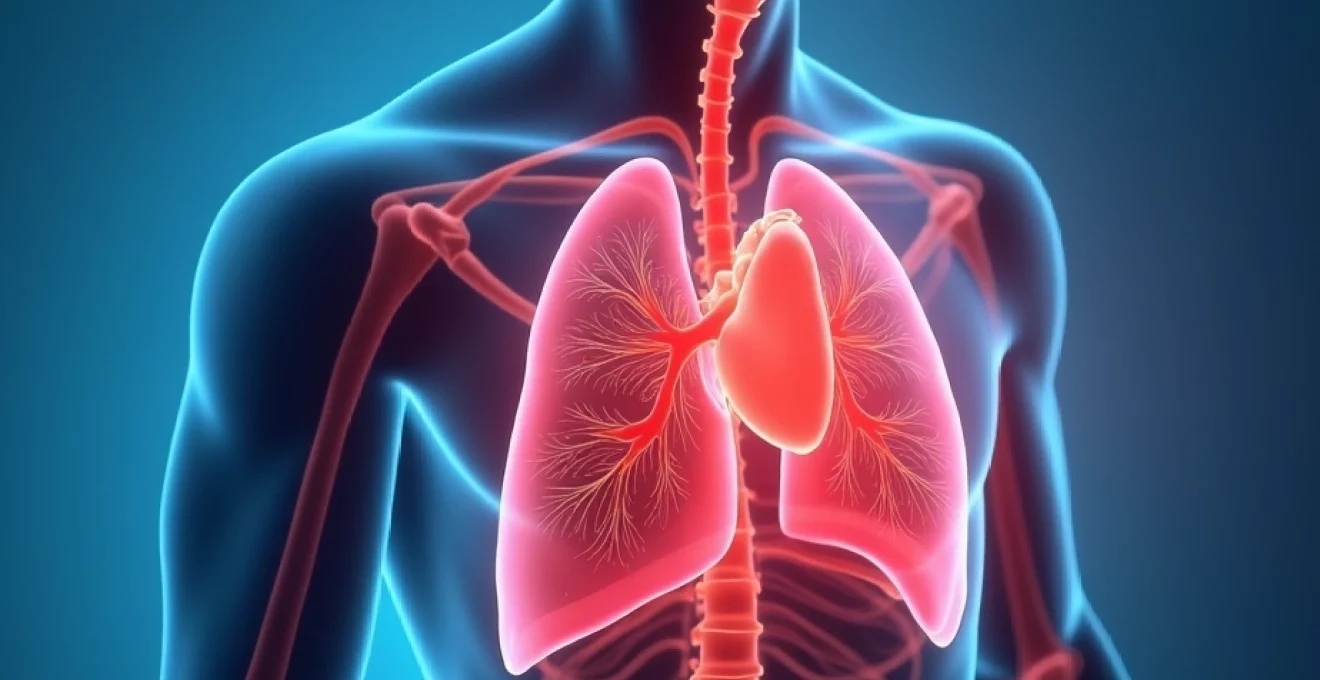
The intricate relationship between thyroid function and respiratory symptoms often remains overlooked in clinical practice, yet thyroid disorders can significantly impact breathing patterns and cardiovascular health. When the butterfly-shaped thyroid gland at the base of your neck produces too much or too little hormone, the effects ripple throughout your body’s systems, including those responsible for breathing and heart function. Understanding these connections becomes crucial for both patients experiencing unexplained respiratory symptoms and healthcare providers seeking comprehensive diagnostic approaches. The prevalence of thyroid disorders, affecting approximately 6% of the population, makes this knowledge particularly relevant for identifying and treating breathing difficulties that may stem from hormonal imbalances rather than primary respiratory conditions.
Thyroid hormone regulation and cardiovascular system interactions
Thyroid hormones serve as master regulators of cellular metabolism, directly influencing how your cardiovascular and respiratory systems function. The thyroid gland produces primarily thyroxine (T4) and triiodothyronine (T3), both of which exert profound effects on heart rate, blood pressure, and oxygen consumption. These hormones essentially act as the body’s metabolic accelerator or brake, determining how efficiently your cells use oxygen and produce energy. When thyroid hormone levels fluctuate outside normal ranges, the delicate balance between oxygen supply and demand becomes disrupted, potentially leading to breathing difficulties and chest discomfort.
The cardiovascular system responds particularly sensitively to thyroid hormone changes because cardiac muscle tissue contains abundant thyroid hormone receptors. Even subtle alterations in hormone levels can trigger noticeable changes in heart rhythm, contractility, and vascular tone. This sensitivity explains why many individuals with thyroid disorders experience cardiac symptoms before other manifestations become apparent. The respiratory system, whilst not directly regulated by thyroid hormones, becomes affected through its intimate relationship with cardiac function and metabolic demands.
Triiodothyronine (T3) effects on cardiac contractility and heart rate
T3 represents the most biologically active thyroid hormone, directly binding to nuclear receptors in cardiac muscle cells to enhance protein synthesis and cellular metabolism. Elevated T3 levels increase the force and speed of heart contractions , often resulting in a sensation of palpitations or chest tightness. This increased cardiac workload demands greater oxygen delivery, which can manifest as shortness of breath during activities that previously caused no discomfort. The heart essentially becomes hyperactive, beating faster and harder to meet the metabolic demands imposed by excess thyroid hormone.
Conversely, insufficient T3 levels lead to reduced cardiac contractility and slower heart rates, creating a different set of respiratory challenges. The weakened heart struggles to pump adequate blood volume, resulting in poor oxygen delivery to tissues. This inefficient circulation often produces a compensatory increase in breathing rate as the body attempts to maximise oxygen uptake. Patients frequently describe feeling breathless despite minimal exertion, as their cardiovascular system cannot effectively transport oxygen where it’s needed most.
Thyroxine (T4) influence on vascular resistance and blood pressure
T4 exerts significant effects on blood vessel function, primarily by reducing peripheral vascular resistance and increasing blood volume. In hyperthyroid states, blood vessels dilate whilst cardiac output increases dramatically, creating a high-flow circulatory state that can produce chest sensations and breathing difficulties. The combination of increased heart rate and dilated blood vessels places considerable strain on the cardiovascular system, often manifesting as chest tightness or pressure sensations.
Hypothyroid conditions present the opposite scenario, with increased vascular resistance and reduced blood volume leading to elevated blood pressure. This increased afterload forces the heart to work harder against higher resistance , contributing to chest discomfort and exercise intolerance. The reduced cardiac efficiency in hypothyroidism means that even modest increases in activity can trigger breathlessness as the cardiovascular system struggles to meet tissue oxygen demands.
Thyroid-stimulating hormone (TSH) fluctuations and respiratory function
TSH levels serve as sensitive indicators of thyroid function, often changing before T3 and T4 levels become obviously abnormal. Research demonstrates that TSH fluctuations can independently affect respiratory drive through interactions with brainstem respiratory centres. Elevated TSH levels, characteristic of hypothyroidism, may contribute to reduced respiratory drive , leading to shallow breathing patterns and air hunger sensations. This mechanism helps explain why some individuals with thyroid disorders experience breathing difficulties even when their T3 and T4 levels appear within normal ranges.
The relationship between TSH and respiratory function becomes particularly important during thyroid hormone replacement therapy. As TSH levels normalise with treatment, many patients report improvements in their breathing patterns and reduced sensations of chest tightness. This observation supports the direct role of thyroid hormone regulation in maintaining optimal respiratory function and cardiovascular health.
Reverse T3 (rt3) impact on metabolic rate and oxygen consumption
Reverse T3 represents an inactive form of thyroid hormone that can accumulate during illness, stress, or certain medical conditions. Elevated rT3 levels effectively block the action of active T3, creating a state of functional thyroid hormone deficiency despite normal laboratory values. This phenomenon can produce symptoms of hypothyroidism, including breathing difficulties and chest tightness, even when conventional thyroid tests appear normal. Understanding rT3 dynamics becomes crucial for healthcare providers evaluating patients with unexplained respiratory symptoms.
The accumulation of rT3 often occurs as a protective mechanism during times of physiological stress, helping to conserve energy by reducing metabolic demands. However, persistently elevated rT3 levels can contribute to ongoing symptoms of fatigue, exercise intolerance, and breathing difficulties. Patients with elevated rT3 frequently describe feeling breathless during activities they previously managed easily, reflecting the reduced cellular oxygen utilisation characteristic of this condition.
Hyperthyroidism-induced respiratory manifestations
Hyperthyroidism creates a hypermetabolic state that significantly impacts respiratory function through multiple mechanisms. The excess thyroid hormones increase cellular oxygen consumption whilst simultaneously affecting cardiac output, muscle strength, and respiratory drive. This combination often produces a characteristic pattern of breathing difficulties that can range from mild exercise intolerance to severe dyspnoea at rest. Understanding these manifestations helps distinguish thyroid-related breathing problems from primary pulmonary conditions, guiding appropriate diagnostic and therapeutic approaches.
The respiratory symptoms of hyperthyroidism typically develop gradually as hormone levels rise, though some individuals experience acute onset during thyroid storm or crisis situations. Patients often describe a sensation of needing more air despite breathing normally , reflecting the increased oxygen demands imposed by elevated metabolism. This air hunger can be particularly distressing because conventional breathing techniques may provide limited relief until thyroid hormone levels are controlled.
Graves’ disease and Exercise-Induced dyspnoea patterns
Graves’ disease, the most common cause of hyperthyroidism, produces distinctive patterns of exercise-induced breathing difficulties. The combination of increased metabolic demands and enhanced cardiac output creates a mismatch between oxygen supply and tissue requirements during physical activity. Patients with Graves’ disease frequently report that activities they previously enjoyed become difficult due to rapid onset of breathlessness and chest tightness. This exercise intolerance often serves as an early warning sign of developing thyroid dysfunction.
The dyspnoea patterns in Graves’ disease typically improve with rest but return quickly with renewed activity. Unlike respiratory conditions such as asthma, the breathing difficulties in Graves’ disease rarely respond to bronchodilator medications , providing an important diagnostic clue. The shortness of breath often accompanies other hyperthyroid symptoms such as palpitations, tremor, and heat intolerance, creating a constellation of findings that point towards thyroid dysfunction rather than primary lung disease.
Toxic multinodular goitre associated tachypnoea mechanisms
Toxic multinodular goitre presents unique respiratory challenges due to both the hormonal effects of excess thyroid production and the physical presence of an enlarged thyroid gland. The mechanical compression of the trachea by nodular thyroid tissue can contribute to breathing difficulties, particularly when lying flat or during swallowing. This compression effect, combined with the metabolic effects of excess hormone production, creates a dual mechanism for respiratory symptoms that requires comprehensive evaluation and management.
The tachypnoea associated with toxic multinodular goitre often develops insidiously as the goitre grows and hormone production increases. Patients may initially attribute their breathing difficulties to aging or poor physical conditioning, delaying diagnosis and treatment. The combination of mechanical obstruction and hypermetabolic state can produce particularly severe symptoms, including stridor or high-pitched breathing sounds when the tracheal compression becomes significant.
Thyrotoxicosis-related intercostal muscle weakness and breathing effort
Thyrotoxicosis can cause weakness in the intercostal muscles and other respiratory muscles, creating a paradoxical situation where increased oxygen demands occur alongside reduced breathing efficiency. This muscle weakness affects the mechanics of breathing, requiring greater effort to move air in and out of the lungs. Patients often describe feeling as though they cannot take a deep enough breath, even when their lung function tests may appear relatively normal. The combination of increased metabolic demands and reduced respiratory muscle strength creates a particularly challenging clinical scenario.
The muscle weakness associated with thyrotoxicosis typically affects both inspiratory and expiratory muscles, leading to reduced respiratory reserve and exercise tolerance. Pulmonary function tests may reveal restrictive patterns due to respiratory muscle weakness rather than intrinsic lung disease . This finding becomes important for treatment planning, as thyroid hormone normalisation often leads to gradual improvement in muscle strength and respiratory function over several months.
Hyperthyroid cardiomyopathy presenting as exertional breathlessness
Chronic hyperthyroidism can lead to a specific form of heart muscle disease known as hyperthyroid cardiomyopathy, characterised by heart failure symptoms including severe exertional breathlessness. This condition develops when the prolonged stress of excess thyroid hormones on the heart muscle leads to structural and functional changes that impair cardiac performance. Unlike other forms of heart failure, hyperthyroid cardiomyopathy may be partially or completely reversible with appropriate thyroid hormone control.
The breathlessness associated with hyperthyroid cardiomyopathy typically worsens with activity and may be accompanied by ankle swelling, fatigue, and chest discomfort. Patients may also experience orthopnoea, or difficulty breathing when lying flat, as the weakened heart struggles to manage venous return effectively. Early recognition and treatment of this condition becomes crucial, as prolonged exposure to excess thyroid hormones can lead to irreversible cardiac damage and permanent heart failure.
Hypothyroidism and chest tightness pathophysiology
Hypothyroidism creates a complex array of respiratory and cardiac manifestations through mechanisms quite different from those seen in hyperthyroidism. The reduction in thyroid hormone levels leads to decreased metabolic rate, reduced cardiac output, and various structural changes that can contribute to breathing difficulties and chest sensations. Unlike the hypermetabolic state of hyperthyroidism, hypothyroidism often produces more subtle, slowly progressive symptoms that may be attributed to aging or other conditions, leading to delayed diagnosis and treatment.
The chest tightness experienced in hypothyroidism often has multiple contributing factors, including reduced cardiac contractility, fluid accumulation around the heart or lungs, and changes in respiratory muscle function. These mechanisms interact to create a constellation of symptoms that can significantly impact quality of life. Understanding these pathophysiological processes helps guide appropriate diagnostic evaluation and treatment strategies for patients with thyroid-related respiratory symptoms.
The sensation of chest tightness in hypothyroidism often reflects the body’s struggle to maintain adequate oxygen delivery with reduced cardiac output and altered tissue metabolism.
Hashimoto’s Thyroiditis-Induced pericardial effusion symptoms
Hashimoto’s thyroiditis, the most common cause of hypothyroidism, can lead to pericardial effusion or fluid accumulation around the heart, contributing to chest tightness and breathing difficulties. This fluid accumulation occurs due to increased capillary permeability and altered fluid balance characteristic of hypothyroidism. The pericardial effusion may develop gradually and remain asymptomatic until it becomes significant enough to impair cardiac filling and function. Patients often describe a sensation of chest fullness or pressure that may worsen with deep inspiration or changes in position.
The diagnosis of pericardial effusion in hypothyroidism requires careful clinical evaluation, as the symptoms may be subtle and easily attributed to other causes. Echocardiography typically reveals the fluid accumulation around the heart, whilst thyroid function tests confirm the underlying hormonal deficiency. Treatment with thyroid hormone replacement usually leads to gradual resolution of the pericardial effusion over several months, providing both diagnostic confirmation and therapeutic relief of symptoms.
Myxoedema-related pleural effusion and restrictive lung patterns
Severe hypothyroidism or myxoedema can cause pleural effusion, characterised by fluid accumulation in the space between the lungs and chest wall. This complication affects approximately 25% of patients with significant hypothyroidism and contributes to restrictive lung patterns on pulmonary function testing. The pleural effusion typically contains protein-rich fluid due to increased capillary permeability, distinguishing it from other causes of pleural fluid accumulation. Patients may experience progressive shortness of breath, chest tightness, and reduced exercise tolerance as the fluid accumulation impairs lung expansion.
The restrictive pattern seen on pulmonary function tests reflects both the mechanical effects of pleural effusion and potential changes in lung tissue compliance associated with hypothyroidism. Chest imaging typically reveals bilateral pleural effusions with a characteristic distribution pattern . Like pericardial effusion, pleural effusion in hypothyroidism usually resolves gradually with thyroid hormone replacement therapy, though larger effusions may require drainage procedures for symptomatic relief whilst hormone levels normalise.
Bradycardia-associated reduced cardiac output and chest discomfort
The bradycardia or slow heart rate characteristic of hypothyroidism contributes to reduced cardiac output and subsequent chest discomfort through several mechanisms. The combination of slow heart rate and reduced stroke volume means that less blood circulates through the body with each minute, leading to poor oxygen delivery to tissues. This reduced perfusion can manifest as chest tightness, particularly during activities that increase oxygen demands. The heart may also develop compensatory changes in response to chronic low output states, potentially contributing to chest sensations.
The chest discomfort associated with hypothyroid bradycardia often differs from typical angina or heart attack symptoms, presenting more as a dull ache or pressure sensation rather than sharp pain. Patients frequently describe feeling as though their chest is compressed or tight, particularly during exertion or emotional stress. The symptoms may improve with rest but tend to recur with activity until thyroid hormone levels are adequately restored and cardiac output normalises.
Hypothyroid-induced sleep apnoea and nocturnal dyspnoea
Hypothyroidism significantly increases the risk of obstructive sleep apnoea through multiple mechanisms, including weight gain, upper airway tissue changes, and altered respiratory drive. The prevalence of sleep apnoea in hypothyroid patients reaches approximately 35%, substantially higher than the general population. The combination of hypothyroidism and sleep apnoea creates a particularly problematic cycle , as poor sleep quality exacerbates thyroid symptoms whilst untreated sleep apnoea can interfere with thyroid hormone replacement therapy effectiveness.
Nocturnal dyspnoea in hypothyroid patients often results from the combination of sleep apnoea episodes and fluid retention that worsens when lying flat. Patients may experience awakening with sensations of breathlessness, chest tightness, or air hunger that improve upon sitting up or moving around. The sleep fragmentation associated with these symptoms contributes to daytime fatigue and may mask improvements in energy levels that should occur with thyroid hormone replacement therapy.
Thyroid storm emergency presentations and acute respiratory distress
Thyroid storm represents a life-threatening endocrine emergency characterised by extreme hyperthyroidism that can rapidly progress to cardiovascular collapse and respiratory failure. This condition affects fewer than 2% of hyperthyroid patients but carries a mortality rate of 10-30% despite treatment, making recognition and immediate intervention crucial. The respiratory manifestations of thyroid storm often develop rapidly and can include severe dyspnoea, tachypnoea, and acute heart failure symptoms that require intensive care management.
The pathophysiology of respiratory distress in thyroid storm involves multiple mechanisms working simultaneously to overwhelm the body’s compensatory capabilities. Extreme elevations in metabolic rate increase oxygen consumption by up to 300% above normal levels , whilst cardiac output may increase by 200% or more. This dramatic mismatch between oxygen supply and demand creates acute respiratory distress that can progress to complete respiratory failure within hours if not
immediately addressed.
The cardiovascular system in thyroid storm becomes severely compromised due to the combination of extreme tachycardia, elevated stroke volume, and increased systemic vascular resistance. Heart rates often exceed 140 beats per minute, whilst blood pressure may become dangerously elevated or paradoxically low due to vasodilation. The respiratory symptoms frequently include rapid, shallow breathing patterns as patients attempt to meet the dramatically increased oxygen demands of hypermetabolic tissues. Chest pain may occur due to coronary artery spasm or demand ischemia as the heart struggles to pump against increased resistance whilst consuming massive amounts of oxygen.
Recognition of thyroid storm requires immediate assessment of both metabolic and cardiovascular parameters, as traditional thyroid function tests may not be immediately available in emergency situations. The constellation of fever above 38.5°C, altered mental status, cardiovascular instability, and gastrointestinal symptoms should prompt immediate consideration of this diagnosis. Early intervention with antithyroid medications, beta-blockers, and supportive care can prevent progression to complete cardiovascular collapse, though mortality remains significant even with appropriate treatment.
Diagnostic protocols for thyroid-related cardiopulmonary symptoms
Establishing a systematic approach to diagnosing thyroid-related breathing difficulties requires integration of clinical assessment, laboratory testing, and imaging studies. The challenge lies in distinguishing primary respiratory or cardiac conditions from those secondary to thyroid dysfunction, particularly when symptoms may appear similar across different disease processes. A comprehensive diagnostic protocol should begin with detailed symptom characterisation, including the temporal relationship between breathing difficulties and other potential thyroid symptoms such as weight changes, temperature intolerance, or energy level fluctuations.
Initial laboratory evaluation should include thyroid-stimulating hormone (TSH), free thyroxine (T4), and free triiodothyronine (T3) levels, recognising that normal values don’t always exclude thyroid-related symptoms. In cases where clinical suspicion remains high despite normal standard thyroid tests, additional markers such as reverse T3, thyroid antibodies, and thyroglobulin may provide valuable diagnostic information. The timing of laboratory testing becomes crucial, as thyroid hormone levels can fluctuate during acute illness or stress, potentially masking underlying thyroid dysfunction or creating spurious abnormalities.
Cardiovascular assessment should include electrocardiography to evaluate heart rhythm and rate patterns, echocardiography to assess cardiac structure and function, and chest radiography to identify pleural effusions or cardiac enlargement. Pulmonary function testing can help distinguish restrictive patterns associated with thyroid disease from obstructive lung conditions, whilst arterial blood gas analysis may reveal metabolic abnormalities consistent with thyroid dysfunction. The integration of these diagnostic modalities provides a comprehensive picture of how thyroid disease may be affecting respiratory and cardiovascular function.
Advanced imaging techniques such as thyroid ultrasound or nuclear medicine scanning may be warranted when structural thyroid abnormalities are suspected of contributing to respiratory symptoms through mechanical compression. In cases of suspected thyroid storm or severe thyrotoxicosis, rapid diagnostic protocols must be implemented to facilitate immediate treatment decisions, as waiting for complete laboratory confirmation may result in life-threatening delays. What clinical red flags should prompt immediate thyroid storm evaluation in patients presenting with acute respiratory distress?
Targeted treatment approaches for thyroid-induced breathing difficulties
Effective management of thyroid-related respiratory symptoms requires addressing both the underlying hormonal imbalance and the specific cardiopulmonary manifestations that may persist during the treatment period. The therapeutic approach must be individualised based on the type and severity of thyroid dysfunction, the degree of respiratory compromise, and the presence of coexisting medical conditions that may complicate treatment. Success depends on achieving optimal thyroid hormone levels whilst providing symptomatic relief during the often prolonged period required for normalisation.
For hyperthyroid patients experiencing breathing difficulties, antithyroid medications such as methimazole or propylthiouracil form the foundation of treatment, though symptom improvement may lag behind biochemical normalisation by weeks or months. Beta-blockers provide immediate symptomatic relief for palpitations, chest tightness, and exercise intolerance by blocking the cardiovascular effects of excess thyroid hormones. Radioactive iodine therapy or surgical intervention may be necessary for patients who cannot achieve stable control with medical management, particularly those with large goitres causing mechanical respiratory symptoms.
Hypothyroid patients require careful titration of thyroid hormone replacement therapy, typically with levothyroxine, starting at conservative doses and increasing gradually based on symptom response and laboratory monitoring. The improvement in respiratory symptoms often parallels TSH normalisation, though some patients may require supraphysiologic doses to achieve complete symptom resolution. Concurrent management of complications such as sleep apnoea, pleural effusions, or pericardial effusions may require specific interventions including continuous positive airway pressure therapy, diuretics, or in severe cases, drainage procedures.
Supportive care during thyroid hormone optimisation should address lifestyle factors that may exacerbate respiratory symptoms, including weight management, exercise conditioning, and stress reduction techniques. Patients with thyroid-induced muscle weakness may benefit from structured rehabilitation programmes to rebuild respiratory muscle strength as hormone levels normalise. How can patients monitor their progress and recognise when symptoms warrant immediate medical attention during thyroid treatment?
The monitoring phase requires regular assessment of both thyroid hormone levels and symptom progression, recognising that complete resolution of cardiopulmonary symptoms may require 6-12 months of stable thyroid hormone replacement. Emergency protocols should be established for patients at risk of thyroid storm or myxoedema coma, with clear instructions for seeking immediate medical care when breathing difficulties worsen acutely. Long-term management success depends on maintaining optimal thyroid hormone levels through regular monitoring, medication adherence, and prompt adjustment of therapy when symptoms recur or laboratory values drift outside target ranges.