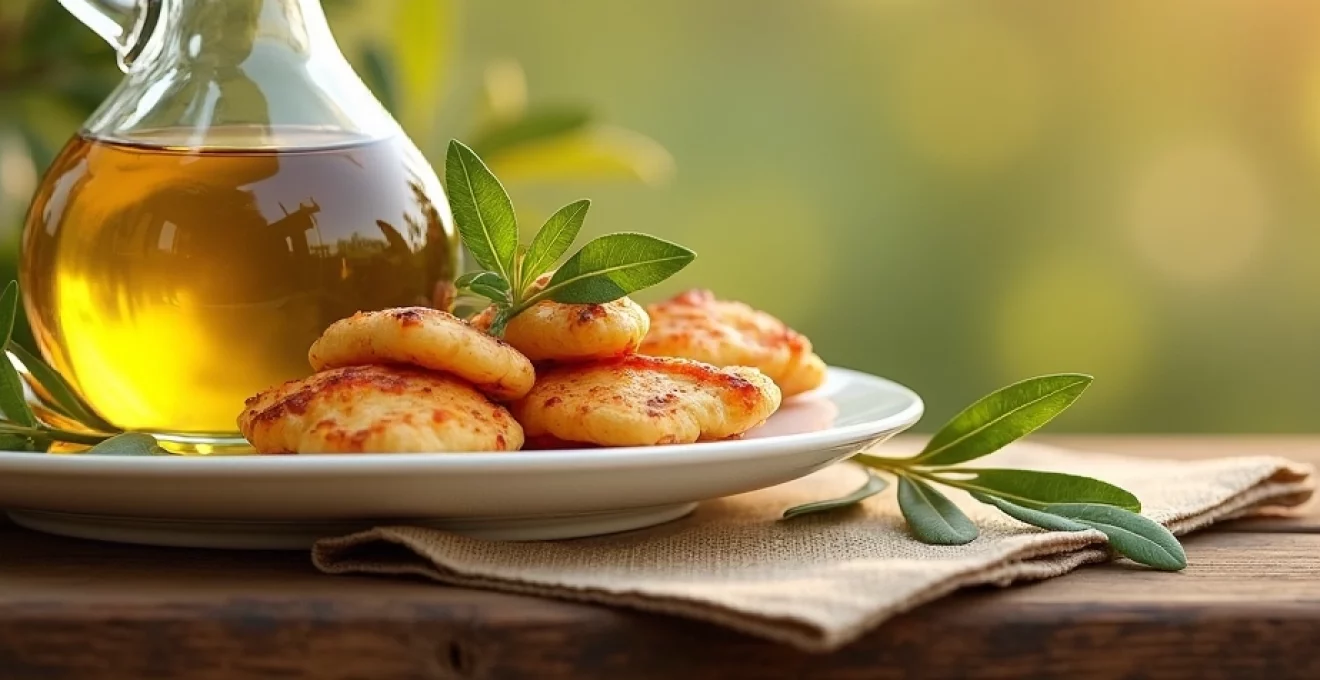
The relationship between olive oil frying and cholesterol management has sparked considerable debate within nutritional science and culinary communities. While traditional dietary wisdom often vilifies fried foods as detrimental to cardiovascular health, emerging research suggests a more nuanced picture when it comes to olive oil specifically. This complexity stems from olive oil’s unique chemical composition, which distinguishes it from other cooking fats through its abundance of monounsaturated fats, antioxidants, and bioactive compounds. Understanding how these components interact with cholesterol metabolism during high-temperature cooking requires examining both the molecular changes that occur during frying and the substantial body of clinical evidence surrounding Mediterranean dietary patterns.
Olive oil chemical composition and cholesterol interaction mechanisms
The foundation of olive oil’s impact on cholesterol lies in its distinctive chemical makeup, which fundamentally differs from other cooking oils. This composition determines how effectively the oil can support healthy lipid profiles even when subjected to the thermal stress of frying. The interplay between various compounds creates a complex biochemical environment that influences cholesterol metabolism in multiple ways.
Monounsaturated fat content in extra virgin vs refined olive oil
Extra virgin olive oil contains approximately 73-75% monounsaturated fats, primarily in the form of oleic acid, compared to refined olive oil’s slightly lower concentration of 70-72%. This high monounsaturated fat content serves as the primary mechanism through which olive oil influences cholesterol levels. When you consume monounsaturated fats, they help reduce low-density lipoprotein (LDL) cholesterol whilst maintaining or even increasing high-density lipoprotein (HDL) cholesterol levels. The processing differences between extra virgin and refined varieties also affect the retention of beneficial compounds, with extra virgin olive oil preserving more antioxidants and phenolic substances that support cardiovascular health.
Oleic acid molecular structure and LDL cholesterol binding properties
Oleic acid’s molecular structure plays a crucial role in cholesterol management through its influence on lipoprotein metabolism. This eighteen-carbon monounsaturated fatty acid exhibits unique binding properties that affect how cholesterol particles circulate in your bloodstream. Research indicates that oleic acid helps modify the composition of LDL particles, making them less susceptible to oxidation—a process that contributes to atherosclerotic plaque formation. The molecular stability of oleic acid also means it remains relatively intact during moderate-temperature frying, preserving its beneficial effects on lipid profiles even after thermal processing.
Polyphenolic compounds: hydroxytyrosol and oleuropein effects on lipid profiles
Hydroxytyrosol and oleuropein represent two of the most significant polyphenolic compounds in olive oil, contributing substantially to its cholesterol-modulating effects. Hydroxytyrosol demonstrates particularly potent antioxidant activity, protecting LDL cholesterol from oxidative modification that would otherwise promote arterial plaque development. Oleuropein, meanwhile, has been shown to enhance HDL cholesterol functionality, improving its ability to transport cholesterol from peripheral tissues back to the liver for processing. These compounds work synergistically to create a protective environment for cardiovascular health, though their concentrations vary significantly between different olive oil grades and processing methods.
Phytosterol concentration and cholesterol absorption inhibition pathways
Olive oil contains meaningful concentrations of phytosterols, plant-derived compounds that structurally resemble cholesterol and compete for absorption in the intestinal tract. Beta-sitosterol, the most abundant phytosterol in olive oil, can reduce dietary cholesterol absorption by up to 15% when consumed regularly. This mechanism works by occupying the same absorption sites in your intestines that would normally facilitate cholesterol uptake, effectively blocking some dietary cholesterol from entering your bloodstream. The phytosterol content in olive oil ranges from 117-183 mg per 100g, providing a modest but consistent contribution to cholesterol management strategies.
Heat-induced chemical changes during High-Temperature frying
Understanding what happens to olive oil during high-temperature cooking is essential for evaluating its impact on cholesterol management. The thermal environment of frying creates complex chemical reactions that can alter the oil’s beneficial properties and potentially generate harmful compounds. However, olive oil’s inherent stability provides certain advantages over other cooking fats in these challenging conditions.
Thermal degradation thresholds: smoke point analysis at 190°C-210°C
Extra virgin olive oil typically reaches its smoke point between 190°C and 210°C, whilst refined olive oil can withstand temperatures up to 230°C before visible degradation occurs. Contrary to popular belief, reaching the smoke point doesn’t immediately render olive oil harmful to cholesterol levels, though it does signal the beginning of more rapid chemical changes. The key factor isn’t simply the smoke point itself, but rather the duration of exposure to high temperatures and the specific temperature range used during cooking. Most home frying operations remain well within olive oil’s thermal stability range, particularly when proper temperature control is maintained throughout the cooking process.
Research indicates that olive oil maintains its monounsaturated fat structure and beneficial properties even when heated to typical frying temperatures for standard cooking durations.
Trans fat formation and lipid oxidation in repeated heating cycles
One of the primary concerns regarding fried foods and cholesterol involves trans fat formation, which occurs when oils undergo extensive thermal stress. Olive oil demonstrates remarkable resistance to trans fat formation compared to polyunsaturated oils, largely due to its molecular stability. However, repeated heating cycles can eventually lead to some degree of lipid oxidation, creating compounds that may negatively impact cholesterol metabolism. The formation of polar compounds during repeated frying cycles represents a more significant concern than initial trans fat production, as these substances can interfere with the absorption and utilisation of beneficial fatty acids.
Antioxidant depletion: vitamin E and phenolic compound breakdown
The heating process inevitably reduces the concentration of heat-sensitive antioxidants in olive oil, including vitamin E (tocopherols) and various phenolic compounds. This depletion occurs gradually, with significant losses typically observed only after extended heating periods or multiple reuse cycles. Alpha-tocopherol , the most bioactive form of vitamin E, shows approximately 20-30% degradation after 30 minutes of heating at 180°C. Despite this reduction, thermally processed olive oil often retains more antioxidants than many other cooking oils in their fresh state, highlighting the superior initial antioxidant capacity of quality olive oil products.
Aldehyde formation and inflammatory response triggers
Aldehyde compounds can form when any cooking oil is subjected to excessive heat, and these substances may trigger inflammatory responses that could indirectly affect cholesterol metabolism. Olive oil’s resistance to aldehyde formation stems from its lower polyunsaturated fat content, as these fatty acids are more susceptible to breakdown products that generate aldehydes. When proper frying techniques are employed—maintaining moderate temperatures and avoiding prolonged heating—aldehyde formation remains minimal. The inflammatory potential of cooking oils correlates strongly with their polyunsaturated fat content, making olive oil’s monounsaturated-rich profile advantageous for minimising pro-inflammatory compound formation during cooking.
Clinical evidence: mediterranean diet studies and cardiovascular outcomes
The extensive clinical research surrounding Mediterranean dietary patterns provides compelling evidence for olive oil’s role in cholesterol management, even when used for cooking applications. Large-scale population studies and controlled trials consistently demonstrate the cardiovascular benefits associated with regular olive oil consumption, including its use in food preparation methods that involve heating.
PREDIMED trial results: olive oil consumption and HDL cholesterol elevation
The landmark PREDIMED study, involving over 7,400 participants at high cardiovascular risk, demonstrated significant improvements in lipid profiles among individuals following a Mediterranean diet supplemented with extra virgin olive oil. Participants consuming approximately 50ml of extra virgin olive oil daily showed an average HDL cholesterol increase of 2.1 mg/dL compared to control groups following low-fat diets. Importantly, this improvement occurred despite the fact that participants used olive oil for various cooking applications, including frying. The study’s duration of 4.8 years provides robust evidence that long-term olive oil consumption, including heated applications, supports beneficial cholesterol modifications rather than harmful ones.
Lyon diet heart study: coronary artery disease risk reduction data
The Lyon Diet Heart Study revealed a 70% reduction in coronary artery disease risk among participants following a Mediterranean-style diet rich in olive oil compared to those on a standard low-fat diet. This dramatic risk reduction occurred alongside improvements in overall lipid profiles, with participants showing lower LDL cholesterol levels and better LDL:HDL ratios throughout the study period. The participants in this study regularly used olive oil for cooking, including sautéing and light frying, suggesting that reasonable heating of olive oil doesn’t negate its cardiovascular protective effects. These findings challenge the conventional wisdom that all fried foods necessarily contribute to adverse cholesterol outcomes.
Meta-analysis of randomised controlled trials on serum lipid modifications
A comprehensive meta-analysis examining 32 randomised controlled trials found that olive oil consumption consistently produced favourable changes in serum lipid profiles across diverse populations. The analysis revealed average LDL cholesterol reductions of 6.9 mg/dL and HDL cholesterol increases of 1.7 mg/dL among regular olive oil consumers. Particularly relevant to frying concerns, subgroup analyses showed that benefits persisted even in studies where participants used olive oil as their primary cooking fat. The consistency of results across different study designs, populations, and olive oil usage patterns strengthens the evidence that olive oil supports healthy cholesterol levels regardless of preparation method.
Comparative analysis: olive oil vs alternative cooking fats
Evaluating olive oil’s cholesterol impact requires comparing it to other commonly used cooking fats. This comparison reveals significant differences in how various oils affect lipid metabolism when used for frying applications. The choice of cooking fat can substantially influence your overall cholesterol profile, making this comparison particularly relevant for health-conscious consumers.
Saturated fats like coconut oil and palm oil demonstrate markedly different effects on cholesterol compared to olive oil. While coconut oil contains approximately 87% saturated fats, olive oil’s saturated fat content remains below 14%. This difference translates to measurably different impacts on LDL cholesterol levels, with saturated fats typically raising LDL cholesterol by 1.3-1.7 mg/dL for every 1% of calories replaced. Conversely, substituting saturated fats with olive oil’s monounsaturated fats produces the opposite effect, lowering LDL cholesterol while maintaining or improving HDL levels.
Polyunsaturated oils such as corn oil, soybean oil, and sunflower oil present a different profile compared to olive oil. While these oils can help lower LDL cholesterol, they’re more susceptible to oxidation during heating, potentially creating compounds that may negatively affect cardiovascular health. The oxidative stability of cooking oils becomes particularly important during frying applications, where temperatures and exposure times can promote rapid chemical changes. Olive oil’s superior thermal stability means it maintains its beneficial properties more effectively than most polyunsaturated alternatives during cooking processes.
Animal-derived fats like lard and butter contain significantly higher saturated fat percentages than olive oil, typically ranging from 39-50% saturated fat content. These fats consistently raise both total cholesterol and LDL cholesterol levels when used regularly for cooking. Additionally, animal fats lack the beneficial compounds found in olive oil, such as polyphenols and phytosterols, that actively support healthy cholesterol metabolism. The contrast becomes even more pronounced when considering that olive oil provides additional cardiovascular benefits beyond simple fatty acid composition through its antioxidant and anti-inflammatory properties.
Optimal frying techniques for cholesterol management
Maximising olive oil’s cholesterol benefits while minimising potential negative effects requires understanding proper frying techniques. The way you use olive oil during cooking significantly influences both the retention of beneficial compounds and the formation of potentially harmful substances. Implementing evidence-based frying practices allows you to enjoy fried foods whilst supporting your cholesterol management goals.
Temperature control represents the most critical factor in healthy olive oil frying. Maintaining temperatures between 160°C and 180°C provides optimal cooking conditions whilst preserving olive oil’s beneficial properties. Using a thermometer ensures precise temperature monitoring, preventing excessive heating that could degrade antioxidants and monounsaturated fats. When frying at these moderate temperatures, olive oil retains approximately 85-90% of its original antioxidant content, maintaining its cholesterol-supportive properties throughout the cooking process.
The duration of heating significantly impacts olive oil’s chemical stability and cholesterol effects. Limiting individual frying sessions to 20-30 minutes helps preserve beneficial compounds whilst achieving proper food preparation. Extended heating periods, particularly those exceeding 45 minutes, begin to show measurable degradation in olive oil’s antioxidant capacity. For foods requiring longer cooking times, consider using lower temperatures or employing techniques like braising, where olive oil isn’t continuously exposed to high heat throughout the entire cooking process.
Oil reuse practices directly affect cholesterol outcomes when frying with olive oil. While olive oil can be reused 2-3 times under proper conditions, each reuse cycle reduces its beneficial compound concentration and increases the potential for harmful compound formation. Filtering used oil through fine mesh or cheesecloth removes food particles that accelerate degradation, extending the oil’s useful life whilst maintaining better nutritional properties. However, discarding oil that shows signs of darkening, increased viscosity, or off-odours ensures you’re not consuming degraded products that might negatively impact cholesterol metabolism.
Proper storage between uses—in cool, dark conditions away from air exposure—significantly extends olive oil’s stability and preserves its cholesterol-supporting properties for subsequent frying applications.
Food selection and preparation methods influence how olive oil affects cholesterol during frying. Choosing foods with naturally lower moisture content reduces the thermal stress on olive oil, as excessive moisture creates steam that can accelerate oil breakdown. Coating foods lightly before frying, using techniques like light flour dusting rather than heavy batters, minimises oil absorption whilst creating protective barriers that reduce direct oil-food interaction at high temperatures. These approaches help maintain olive oil’s integrity whilst producing healthier fried foods with better overall nutritional profiles.
Individual risk factors and personalised dietary recommendations
The impact of fried olive oil on cholesterol varies significantly among individuals based on genetic factors, existing health conditions, and overall dietary patterns. Understanding these variables helps you make informed decisions about incorporating olive oil frying into your cholesterol management strategy. Personalised approaches consider multiple factors beyond simple dietary composition to optimise cardiovascular health outcomes.
Genetic variations in lipid metabolism substantially influence how your body responds to different dietary fats, including those from fried olive oil. Individuals with APOE4 gene variants may experience different cholesterol responses to monounsaturated fat intake compared to those with other genetic profiles. Similarly, variations in genes controlling cholesterol absorption, such as NPC1L1 , can affect how efficiently your body utilises the phytosterols and other beneficial compounds in olive oil. These genetic differences explain why some individuals experience dramatic cholesterol improvements with olive oil consumption whilst others show more modest changes.
Existing cardiovascular conditions require careful consideration when evaluating olive oil frying’s appropriateness for cholesterol management. Individuals with established coronary artery disease may benefit more significantly from olive oil’s anti-inflammatory properties compared to those with isolated high cholesterol levels. However, those with severe hypertriglyceridemia might need to limit all added fats, including olive oil, regardless of their beneficial properties. The presence of diabetes also influences optimal olive oil usage, as insulin resistance can affect how efficiently your body processes different types of dietary fats.
Current medication regimens interact with dietary fat choices in ways that affect cholesterol outcomes. Statin users may experience enhanced cholesterol-lowering effects when combining their medication with olive oil-rich diets, as the oil’s antioxidants help protect against some statin-related side effects. Conversely, individuals taking blood-thinning medications should monitor their olive oil intake, as high consumption of vitamin E-rich oils can potentially enhance anticoagulant effects. These medication interactions highlight the importance of discussing dietary changes with healthcare providers, particularly when modifying cooking fat choices as part of cholesterol management strategies.
Overall dietary quality significantly modulates olive oil’s cholesterol effects, regardless of cooking method. Consuming olive oil within the context of a Mediterranean-style diet—rich in vegetables, fruits, whole grains, and fish—amplifies its beneficial effects on lipid profiles. However, using olive oil to fry processed foods high in refined carbohydrates and sodium may partially negate its positive effects on cholesterol metabolism. The synergistic effects of olive oil with other heart-healthy foods create optimal conditions for cholesterol management
, emphasising the importance of considering olive oil frying within a broader nutritional framework rather than in isolation.
Age-related factors also influence optimal olive oil frying recommendations for cholesterol management. Younger adults typically demonstrate more robust antioxidant systems that can better handle occasional exposure to heated oils, whilst older individuals may benefit from more conservative approaches to oil heating. Postmenopausal women face unique considerations, as declining oestrogen levels affect cholesterol metabolism and may increase sensitivity to dietary fat choices. Similarly, children and adolescents require different considerations, as their developing cardiovascular systems may respond differently to various cooking fats compared to adult populations.
Physical activity levels significantly interact with dietary fat choices to influence cholesterol outcomes. Individuals maintaining regular exercise routines typically show enhanced cholesterol benefits from olive oil consumption, as physical activity improves the body’s ability to process and utilise monounsaturated fats effectively. Conversely, sedentary individuals may need to moderate their total fat intake, including olive oil, to achieve optimal cholesterol management. The metabolic flexibility that comes with regular physical activity allows for more liberal use of healthy fats like olive oil without compromising cardiovascular health goals.
Body composition and metabolic health status create additional considerations for personalised olive oil recommendations. Individuals with healthy body weight and normal insulin sensitivity typically experience more pronounced cholesterol benefits from olive oil consumption compared to those with obesity or metabolic syndrome. However, the anti-inflammatory properties of olive oil may provide particular benefits for overweight individuals, potentially helping to improve insulin sensitivity and lipid metabolism over time. These complex interactions highlight why generic dietary recommendations often fall short of optimal personalised nutrition strategies.
Monitoring and adjustment strategies become essential components of personalised olive oil usage for cholesterol management. Regular lipid panel testing every 3-6 months allows you to assess how your individual response to olive oil frying aligns with your cholesterol goals. Keeping a detailed food diary that tracks olive oil usage, cooking methods, and other dietary factors helps identify patterns that optimise your cholesterol response. This individualised approach recognises that what works optimally for one person may require modification for another, based on their unique physiological and lifestyle factors.
The integration of olive oil frying into personalised cholesterol management ultimately depends on balancing multiple individual risk factors whilst considering the substantial body of evidence supporting olive oil’s cardiovascular benefits. For most individuals without severe lipid disorders or specific contraindications, moderate use of olive oil for frying represents a reasonable component of a heart-healthy dietary pattern. However, the key lies in understanding your personal response to different dietary interventions and working with healthcare providers to develop strategies that address your specific cholesterol management needs whilst supporting overall cardiovascular health.