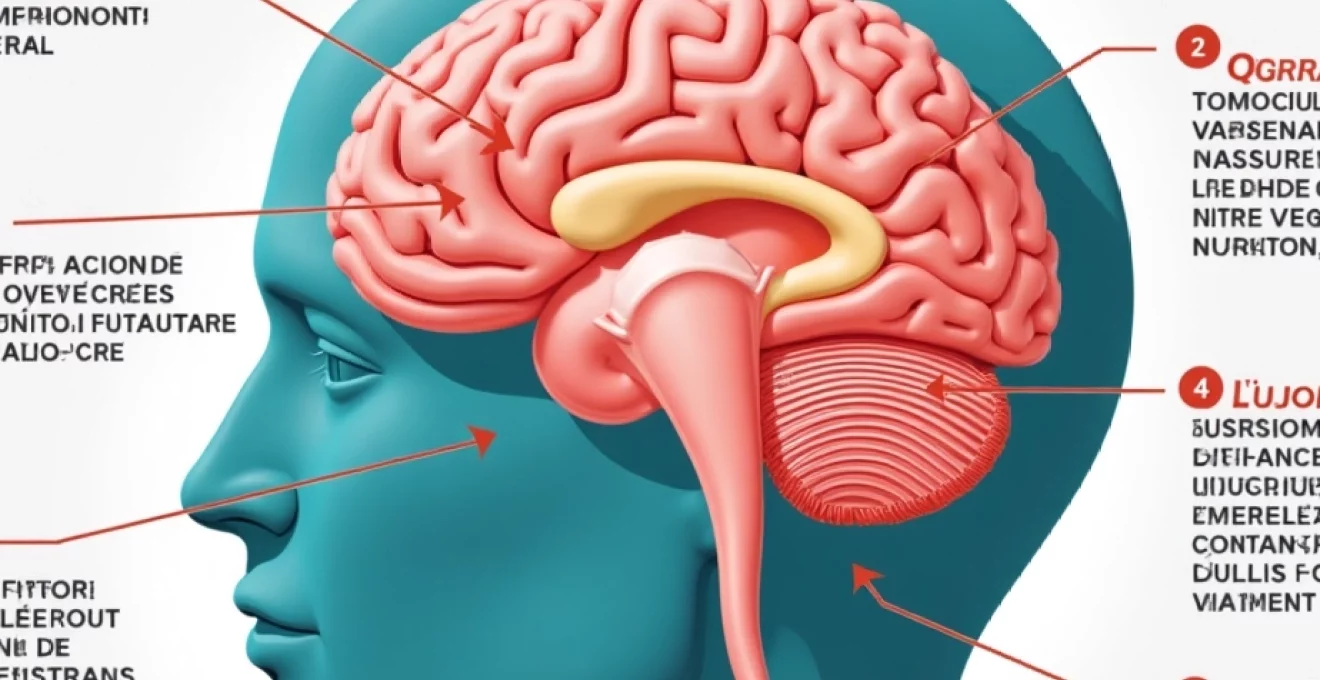
Headaches represent one of the most prevalent and challenging side effects experienced by patients initiating isosorbide mononitrate therapy for angina prevention. These medication-induced headaches affect approximately 70% of patients during the initial weeks of treatment, often causing significant discomfort and potentially compromising medication adherence. Understanding the underlying mechanisms and implementing effective management strategies becomes crucial for maintaining optimal cardiovascular treatment whilst ensuring patient comfort and quality of life.
The intensity and frequency of nitrate-induced headaches can vary considerably between individuals, ranging from mild discomfort to severe, debilitating pain that interferes with daily activities. Fortunately, these headaches typically diminish in severity and frequency as the body develops tolerance to the vasodilatory effects of the medication. However, the initial period requires careful management to prevent treatment discontinuation and ensure therapeutic success.
Understanding isosorbide Mononitrate-Induced cephalgia mechanisms
The pathophysiology of nitrate-induced headaches involves complex interactions between vascular dynamics, neurotransmitter pathways, and pain perception mechanisms. Isosorbide mononitrate functions as a vasodilator by releasing nitric oxide, which triggers a cascade of physiological responses that can inadvertently stimulate pain receptors in cranial blood vessels. This understanding forms the foundation for developing targeted therapeutic interventions.
Nitric oxide vasodilation and cerebral blood flow changes
Isosorbide mononitrate undergoes biotransformation to release nitric oxide, a potent vasodilator that affects both coronary and cerebral circulation. When nitric oxide binds to vascular smooth muscle cells, it activates the enzyme guanylyl cyclase, leading to increased cyclic adenosine monophosphate levels and subsequent smooth muscle relaxation. This mechanism, whilst beneficial for cardiac function, simultaneously affects intracranial vessels, potentially causing headache symptoms.
The cerebral vasculature responds to nitric oxide with pronounced dilation, particularly in the larger arteries and arterioles. This dilation increases cerebral blood flow and can create mechanical stress on pain-sensitive structures surrounding blood vessels. The degree of vasodilation correlates directly with the severity of headache symptoms , explaining why higher doses of isosorbide mononitrate often produce more intense headaches during initial treatment phases.
Cyclic GMP pathway activation in cranial vessels
The conversion of guanosine triphosphate to cyclic guanosine monophosphate represents the primary mechanism through which nitric oxide exerts its vasodilatory effects. This biochemical pathway becomes particularly relevant in cranial vessels, where elevated cyclic GMP levels cause sustained smooth muscle relaxation and increased vessel diameter. The temporal relationship between peak cyclic GMP concentrations and headache onset provides valuable insights for timing analgesic interventions.
Cyclic GMP accumulation occurs rapidly following isosorbide mononitrate administration, typically reaching maximum concentrations within 30-60 minutes of oral dosing. This timeframe corresponds closely with the onset of headache symptoms in susceptible patients. Understanding this temporal pattern allows for proactive headache management strategies that can be implemented before peak symptom intensity occurs.
Temporal arterial dilation and pressure sensitivity
The temporal arteries demonstrate particular sensitivity to nitrate-induced vasodilation, making them primary contributors to medication-related headaches. These superficial vessels contain abundant pain receptors and nerve endings that become activated when vessel walls stretch beyond normal physiological limits.
The characteristic throbbing quality of nitrate-induced headaches directly reflects the pulsatile nature of arterial dilation and the rhythmic stimulation of surrounding pain receptors.
Pressure sensitivity in the temporal region increases significantly during episodes of nitrate-induced headaches, often making light touch or pressure uncomfortable for affected patients. This hypersensitivity can persist for several hours following medication administration and may be exacerbated by physical activity, changes in head position, or environmental factors such as bright lights or loud sounds.
Trigeminal nerve sensitisation from vascular expansion
The trigeminal nerve system plays a crucial role in transmitting pain signals from dilated cranial vessels to the central nervous system. Nitrate-induced vascular expansion can activate trigeminal nerve endings located within vessel walls and surrounding tissues, initiating pain signalling pathways. This neurological component explains why nitrate headaches often exhibit characteristics similar to migraine episodes, including photosensitivity and nausea.
Sensitisation of trigeminal nerve pathways can create a self-perpetuating cycle where initial vascular dilation triggers nerve activation, which subsequently promotes further inflammation and vessel dilation. Breaking this cycle requires targeted interventions that address both vascular and neurological components of the headache mechanism simultaneously.
Pharmacological headache management strategies
Effective pharmacological management of isosorbide mononitrate-induced headaches requires careful selection of analgesic agents that provide symptom relief without interfering with cardiovascular benefits. The choice of medication depends on headache severity, patient comorbidities, and potential drug interactions. Understanding the pharmacokinetic and pharmacodynamic properties of various analgesics enables healthcare providers to optimise treatment protocols for individual patients.
Paracetamol 500mg dosing protocols for nitrate headaches
Paracetamol represents the first-line analgesic choice for managing isosorbide mononitrate-induced headaches due to its excellent safety profile and lack of interaction with nitrate medications. The standard dosing protocol involves 500mg administered every four to six hours as needed, with a maximum daily dose of 4000mg. This acetaminophen-based approach provides effective pain relief whilst maintaining cardiovascular safety margins.
The timing of paracetamol administration proves crucial for optimal headache prevention and management. Taking 500mg paracetamol approximately 30 minutes before isosorbide mononitrate administration can significantly reduce headache intensity and duration. This preemptive strategy works by establishing therapeutic analgesic levels before nitrate-induced vasodilation reaches peak intensity . For patients experiencing breakthrough headaches despite preventive dosing, additional paracetamol can be administered according to standard protocols.
Extended-release paracetamol formulations may offer advantages for patients experiencing prolonged headaches following long-acting isosorbide mononitrate preparations. These formulations provide sustained analgesic levels over 8-12 hours, matching the duration of nitrate action and potentially reducing the need for multiple daily doses.
Ibuprofen anti-inflammatory response in vascular headaches
Ibuprofen demonstrates particular efficacy in managing the inflammatory component of nitrate-induced headaches through its dual action as both an analgesic and anti-inflammatory agent. The recommended dosing regimen involves 200-400mg every six to eight hours, with careful attention to cardiovascular contraindications and potential interactions with cardiac medications. This non-steroidal anti-inflammatory drug approach targets the inflammatory cascade triggered by vascular dilation.
The anti-inflammatory properties of ibuprofen help reduce vessel wall inflammation and decrease the sensitivity of pain receptors surrounding dilated arteries. However, patients with existing cardiovascular conditions require careful monitoring when using ibuprofen, as NSAIDs can potentially interfere with blood pressure regulation and increase fluid retention. Close collaboration between cardiologists and primary care physicians ensures safe and effective NSAID use in this population .
Caffeine vasoconstriction therapy for Nitrate-Induced pain
Caffeine offers a unique therapeutic approach by providing mild vasoconstriction that can counteract nitrate-induced vasodilation without significantly compromising cardiovascular benefits. A therapeutic dose of 100-200mg caffeine, equivalent to one to two cups of coffee, can provide meaningful headache relief when used judiciously. This approach proves particularly effective when combined with paracetamol, creating a synergistic analgesic effect.
The vasoconstrictor properties of caffeine work by blocking adenosine receptors in vascular smooth muscle, leading to mild vessel constriction that opposes nitrate-induced dilation.
Timing caffeine intake to coincide with peak headache symptoms provides optimal therapeutic benefit whilst minimising potential cardiovascular interference.
However, patients should avoid excessive caffeine consumption, which can contribute to cardiovascular strain and potentially exacerbate underlying heart conditions.
Sumatriptan contraindications with concurrent nitrate therapy
Sumatriptan and other triptan medications are absolutely contraindicated in patients receiving concurrent nitrate therapy due to the risk of severe cardiovascular complications. The combination of triptan-induced vasoconstriction with nitrate-mediated vasodilation can create unpredictable vascular responses, potentially leading to coronary artery spasm, myocardial infarction, or stroke. Healthcare providers must clearly communicate these contraindications to prevent inadvertent co-administration.
Patients with a history of migraine who require isosorbide mononitrate therapy need alternative headache management strategies that avoid triptan medications entirely. This population requires particularly careful monitoring and education about safe analgesic options. Emergency medical personnel and specialists must be informed about nitrate therapy to prevent inappropriate triptan administration during acute headache episodes .
Isosorbide mononitrate dosage adjustment techniques
Strategic dosage adjustment represents one of the most effective approaches for minimising headache severity whilst maintaining therapeutic cardiovascular benefits. The principle of “start low and go slow” proves particularly valuable in nitrate therapy, allowing patients to develop tolerance to vasodilatory effects gradually. Research demonstrates that patients who begin with lower doses experience significantly fewer and less severe headaches compared to those starting with standard therapeutic doses.
Initial dosing protocols typically begin with 30mg daily for the first week, followed by titration to the target dose of 60mg daily during the second week. This gradual escalation approach reduces headache incidence from approximately 70% to 45% of patients, representing a substantial improvement in tolerability. The biological basis for this approach lies in the gradual adaptation of vascular smooth muscle and pain receptor sensitivity to nitric oxide exposure .
Alternative dosing strategies include split-dose regimens where the total daily dose is divided into two smaller administrations separated by 6-8 hours. This approach can reduce peak plasma concentrations and corresponding headache intensity whilst maintaining therapeutic efficacy. Some patients benefit from asymmetric dosing schedules, taking smaller morning doses and larger evening doses to align peak effects with periods of reduced activity.
The concept of nitrate-free intervals becomes crucial for long-term tolerance management and headache prevention. Scheduling 8-12 hour periods without nitrate exposure helps prevent the development of nitrate tolerance whilst allowing vascular systems to return to baseline sensitivity.
These drug-free periods paradoxically improve both headache management and long-term cardiovascular efficacy by preserving nitric oxide responsiveness.
Individual patient factors significantly influence optimal dosing strategies, including age, body weight, renal function, and concurrent medications. Elderly patients often require lower initial doses due to increased sensitivity to vasodilatory effects and higher risk of hypotensive episodes. Patients with impaired renal function may experience prolonged drug elimination, necessitating dose adjustments to prevent accumulation and excessive headache symptoms.
Non-pharmacological headache relief methods
Non-pharmacological interventions provide valuable adjunctive approaches for managing isosorbide mononitrate-induced headaches, often enhancing the effectiveness of medication-based strategies whilst reducing overall analgesic requirements. These techniques address various aspects of headache pathophysiology, including vascular tension, muscle relaxation, stress reduction, and environmental triggers. Implementing multiple non-pharmacological approaches simultaneously can create synergistic effects that significantly improve patient comfort and quality of life.
Cold compress application to temporal and occipital regions
Cold therapy provides immediate vasoconstriction that directly counteracts nitrate-induced vasodilation, making it an ideal first-line intervention for acute headache episodes. Applying cold compresses to the temporal arteries for 15-20 minutes can provide significant pain relief by reducing vessel diameter and decreasing pain receptor activation. The optimal temperature range falls between 10-15°C, cold enough to provide therapeutic benefit without causing tissue damage.
Strategic placement of cold compresses proves crucial for maximum effectiveness. The temporal regions respond particularly well to cold application due to the superficial location of major arteries and abundant pain receptor distribution. Occipital cold application targets the posterior circulation and can be especially effective for headaches with prominent back-of-head localisation . Rotating cold packs between temporal and occipital regions provides comprehensive coverage and sustained relief.
The duration and frequency of cold application require careful consideration to maximise benefits whilst preventing cold injury. Sessions should be limited to 20 minutes maximum, with at least 20 minutes between applications to allow normal blood flow restoration. Some patients benefit from alternating cold and brief warm periods, creating a vascular exercise effect that can reduce overall headache intensity and duration.
Progressive muscle relaxation for Tension-Type headache component
Progressive muscle relaxation techniques address the secondary muscle tension that often accompanies nitrate-induced headaches, creating a comprehensive approach to pain management. These techniques involve systematically tensing and relaxing muscle groups throughout the head, neck, and shoulders, reducing overall tension and improving blood flow to affected areas. The practice requires 10-15 minutes and can be performed multiple times daily as needed.
Specific attention to facial, temporalis, and suboccipital muscle groups proves particularly beneficial for headache relief. Beginning with gentle jaw muscle relaxation and progressing through the temple, forehead, and neck muscles creates a sequential release of tension. The technique becomes more effective with practice, as patients develop better awareness of muscle tension patterns and more efficient relaxation responses .
Breathing coordination enhances the effectiveness of progressive muscle relaxation by promoting overall relaxation and improving oxygen delivery to tissues. Deep diaphragmatic breathing during muscle relaxation sessions helps activate the parasympathetic nervous system, counteracting stress responses that can exacerbate headache symptoms. Regular practice of these combined techniques can reduce both headache frequency and intensity over time.
Hydration protocols during nitrate therapy initiation
Proper hydration plays a crucial role in minimising nitrate-induced headaches by supporting optimal blood volume and reducing the compensatory vascular responses that contribute to pain. Dehydration can exacerbate headache symptoms by increasing blood viscosity and promoting additional vasodilation as the body attempts to maintain adequate tissue perfusion. Establishing appropriate hydration protocols from the initiation of nitrate therapy provides a foundation for headache prevention.
The recommended hydration protocol involves consuming 8-10 glasses of water daily, with particular attention to timing around medication administration.
Drinking 1-2 glasses of water 30 minutes before taking isosorbide mononitrate helps establish optimal blood volume before vasodilation occurs, reducing the severity of subsequent headaches.
Additional fluids should be consumed throughout the day to maintain consistent hydration levels.
Electrolyte balance becomes increasingly important during nitrate therapy, as vasodilation can affect kidney function and fluid distribution. Including foods rich in potassium and magnesium, or using electrolyte supplements when appropriate, helps maintain proper mineral balance and supports normal vascular function. Avoiding excessive caffeine and alcohol consumption prevents dehydration and reduces additional vascular stress during treatment initiation.
Sleep hygiene optimisation for Medication-Related headaches
Quality sleep significantly influences headache frequency and severity, making sleep hygiene optimisation a critical component of comprehensive headache management. Poor sleep can increase pain sensitivity, disrupt normal vascular regulation, and reduce the body’s ability to adapt to medication effects. Establishing consistent sleep patterns and creating optimal sleep environments supports the body’s natural healing processes and reduces headache susceptibility.
Specific sleep hygiene recommendations include maintaining consistent bedtime and wake-up schedules, creating cool, dark, and quiet sleeping environments, and avoiding stimulating activities before bedtime. The timing of isosorbide mononitrate administration can be adjusted to minimise sleep disruption, with morning dosing generally preferred to avoid nighttime vasodilation effects . Some patients benefit from slight head elevation during sleep to reduce cranial blood pooling and morning headache intensity.
Pre-sleep relaxation routines can enhance sleep quality and reduce headache frequency. These may include gentle stretching, reading, meditation, or other calming activities that promote relaxation without overstimulation. Avoiding large meals, excessive fluids, and electronic devices before bedtime creates optimal conditions for restorative sleep and improved headache management.
Clinical monitoring and healthcare provider consultation guidelines
Effective clinical monitoring during isosorbide mononitrate therapy requires systematic assessment of both therapeutic efficacy and side effect management. Healthcare providers must establish clear protocols for evaluating headache patterns, cardiovascular response, and overall treatment tolerance. Regular monitoring appointments allow for timely interventions and dosage adjustments that can significantly improve patient outcomes and medication adherence.
The initial monitoring period proves most critical, with weekly assessments recommended during the first month of therapy. These appointments should focus on headache frequency, severity, and duration, using standardised pain scales to track improvement over time. Maintaining detailed headache diaries helps identify patterns and triggers that can inform personalised management strategies . Healthcare providers should also monitor blood pressure, heart rate, and signs of nitrate tolerance during these visits.
Red flag symptoms require immediate medical attention and may indicate serious adverse reactions or inappropriate medication interactions. These include severe, persistent headaches unresponsive to standard analgesics, signs of cardiovascular compromise such as chest pain or severe hypotension, and symptoms suggesting allergic reactions including rash, swelling, or difficulty breathing. Patients must receive clear instructions about when to seek emergency medical care versus routine consultation.
Long-term monitoring strategies focus on maintaining therapeutic efficacy whilst minimising side effects. Monthly assessments during the first three months, followed by quarterly evaluations, allow healthcare providers to track treatment success and identify emerging issues.
Patients who develop severe, intractable headaches despite optimal management strategies may require alternative antianginal therapies, emphasising the importance of ongoing clinical evaluation and treatment flexibility.
Communication protocols between patients and healthcare providers should include clear instructions for reporting side effects, guidelines for temporary medication discontinuation, and procedures for emergency situations. Establishing these protocols before treatment initiation ensures rapid response to complications and maintains patient confidence in their treatment plan. Educational materials and written instructions support verbal communication and provide reference resources for patients experiencing concerning symptoms.
Specialist referral criteria include headaches that persist beyond four weeks despite optimal management, signs of nitrate tolerance affecting cardiovascular efficacy, and patients with complex comorbidities requiring multidisciplinary care. Neurologists can provide expertise in refractory headache management, whilst cardiologists can optimise alternative antianginal strategies when necessary. Collaborative care approaches often yield superior outcomes for patients experiencing challenging side effect profiles whilst requiring continued cardiovascular protection .
Documentation standards for clinical monitoring should include detailed records of headache characteristics, interventions attempted, patient response to treatments, and any dosage modifications made. This information proves invaluable for long-term treatment planning and provides essential data for specialist consultations when needed. Regular review of documented patterns helps identify successful strategies that can be reinforced or unsuccessful approaches that require modification.