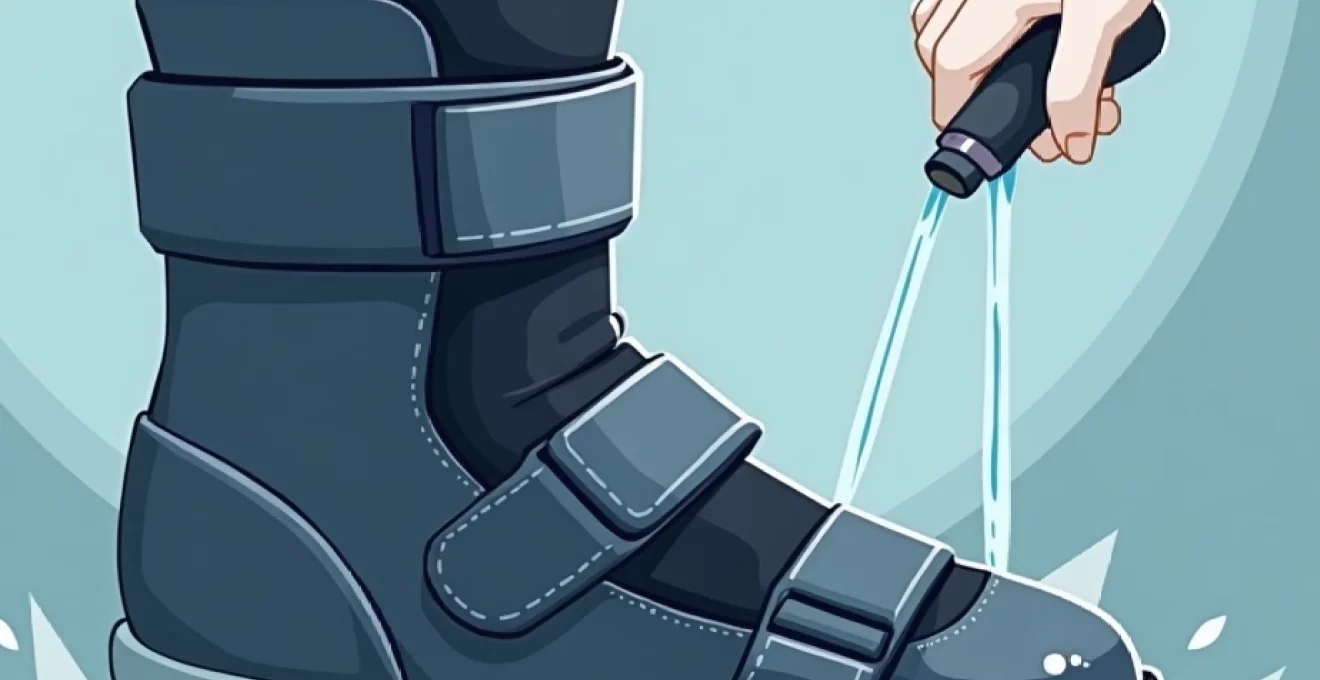
Medical walking boots represent a significant investment in recovery and mobility, serving as essential orthopaedic devices that facilitate healing while maintaining patient independence. These sophisticated medical appliances require meticulous care and maintenance to ensure optimal performance throughout extended treatment periods. Proper cleaning protocols not only preserve the boot’s structural integrity but also prevent the accumulation of harmful pathogens that could compromise patient health. The complexity of modern walking boot construction, featuring pneumatic systems, antimicrobial linings, and specialised materials, demands a comprehensive understanding of appropriate cleaning methodologies to maximise both hygiene standards and equipment longevity.
Pre-cleaning assessment of walking boot condition
Before initiating any cleaning procedure, conducting a thorough assessment of your walking boot’s condition establishes the foundation for effective maintenance. This preliminary evaluation identifies potential issues that could affect cleaning approaches and reveals areas requiring specialised attention. Understanding your boot’s specific configuration enables you to tailor cleaning protocols accordingly, ensuring comprehensive care without compromising delicate components.
Identifying CAM walker boot materials and construction types
Modern controlled ankle motion (CAM) walker boots incorporate diverse materials ranging from high-density polyethylene shells to breathable foam composites. Identifying these materials proves crucial because different substrates respond variably to cleaning agents and techniques. Plastic components typically withstand aggressive antimicrobial solutions, whilst fabric elements require gentler approaches to prevent deterioration. Many contemporary boots feature hybrid construction combining rigid external shells with soft internal linings, necessitating differentiated cleaning strategies for optimal results.
The boot’s manufacturing origin often influences material selection and quality standards. Premium medical devices typically employ antimicrobial-treated fabrics and corrosion-resistant hardware, whilst economy models may utilise conventional materials requiring more frequent maintenance. Examine manufacturer labels and documentation to understand specific material specifications, as this information guides appropriate cleaning product selection and technique application.
Evaluating velcro strapping systems and buckle mechanisms
Velcro fastening systems accumulate debris, skin cells, and moisture over extended use periods, creating ideal conditions for bacterial proliferation. These hook-and-loop closures require careful inspection to identify embedded contaminants that standard cleaning might miss. Industrial-grade velcro used in medical applications often demonstrates superior durability but demands specific cleaning approaches to maintain adhesive properties.
Buckle mechanisms vary considerably across different boot models, from simple plastic clips to sophisticated ratcheting systems. Metal components may develop corrosion if exposed to moisture without proper drying, whilst plastic buckles can crack under excessive force during cleaning. Understanding your boot’s specific hardware configuration enables appropriate cleaning intensity and prevents accidental damage during maintenance procedures.
Inspecting pneumatic air bladder components for damage
Pneumatic air bladder systems represent the most delicate components within modern walking boots, requiring careful inspection before cleaning commences. These inflatable elements provide customised compression and support but remain vulnerable to puncture damage from aggressive cleaning tools. Visual examination should identify any visible wear patterns, particularly around valve connections and high-stress areas where the bladder contacts the boot shell.
Testing bladder integrity through gentle inflation reveals potential leaks that could worsen during cleaning procedures. Small punctures may not immediately affect functionality but can expand when exposed to cleaning solutions or excessive manipulation. Documenting bladder condition before cleaning establishes baseline performance metrics and helps identify any deterioration resulting from maintenance activities.
Assessing rocker bottom sole wear patterns
The distinctive rocker bottom design of medical walking boots creates unique wear patterns that indicate gait abnormalities and usage intensity. Examining sole wear provides valuable insights into cleaning requirements, as heavily worn areas often harbour more debris and require intensive cleaning attention. Asymmetrical wear patterns may suggest improper fit or gait compensation, potentially affecting cleaning accessibility in certain boot areas.
Tread depth variation across the sole surface influences cleaning tool selection and technique application. Shallow tread areas clean easily with standard brushes, whilst deep grooves require specialised tools to remove embedded debris effectively. Understanding your boot’s wear characteristics enables targeted cleaning approaches that address specific contamination patterns while preserving remaining tread integrity.
Essential cleaning supplies for medical walking boots
Selecting appropriate cleaning supplies forms the cornerstone of effective walking boot maintenance, ensuring thorough decontamination without compromising device integrity. Medical-grade cleaning products offer superior antimicrobial efficacy compared to household alternatives, justifying their higher cost through enhanced patient safety and equipment longevity. Professional cleaning supplies undergo rigorous testing to verify compatibility with medical device materials and demonstrate proven effectiveness against healthcare-associated pathogens.
Antimicrobial solutions: isopropyl alcohol vs quaternary ammonium compounds
Isopropyl alcohol solutions, typically formulated at 70% concentration, provide rapid antimicrobial action against bacteria, viruses, and fungi commonly encountered in clinical environments. This concentration optimises pathogen destruction whilst minimising material damage to sensitive boot components. However, repeated alcohol exposure can degrade certain plastics and fabrics, necessitating careful application and thorough rinsing to prevent accumulative damage.
Quaternary ammonium compounds (QACs) offer extended antimicrobial activity with reduced material impact compared to alcohol-based solutions. These cationic surfactants demonstrate excellent effectiveness against gram-positive bacteria whilst providing residual antimicrobial protection on treated surfaces. QAC formulations designed for medical device cleaning typically incorporate corrosion inhibitors and material conditioners that help preserve boot components during repeated cleaning cycles.
Specialised brushes for tread pattern deep cleaning
Tread pattern cleaning demands brushes specifically designed to navigate complex sole geometries without damaging delicate components. Soft-bristled brushes prevent surface scratching on plastic and rubber compounds whilst maintaining sufficient cleaning action to dislodge embedded debris. Brush head geometry should complement your boot’s tread design, with narrow profiles accessing tight spaces and broader heads covering larger surface areas efficiently.
Natural bristle brushes often outperform synthetic alternatives when cleaning textured surfaces, as their irregular structure creates more effective mechanical action against stubborn contaminants. However, synthetic brushes offer superior chemical resistance and maintain consistent performance across multiple cleaning cycles. Consider maintaining both brush types to address different cleaning challenges and material requirements throughout comprehensive boot maintenance procedures.
Microfibre cloths and Lint-Free cleaning materials
Microfibre cleaning cloths provide superior dirt capture and moisture absorption compared to conventional textile materials, making them ideal for walking boot maintenance applications. The microscopic fibre structure creates enhanced surface contact that effectively removes contaminants without requiring excessive cleaning solution application. Medical-grade microfibre cloths undergo special manufacturing processes that eliminate lint production and prevent fabric degradation during sterilisation procedures.
Lint-free materials prove essential when cleaning pneumatic components and valve systems, as fabric particles can compromise inflatable mechanisms and create contamination sources. Synthetic chamois and specialised medical wipes offer excellent cleaning performance whilst maintaining dimensional stability under various cleaning conditions. These materials resist chemical degradation and provide consistent cleaning results across extended service periods.
UV-C sanitisation equipment for complete disinfection
Ultraviolet-C (UV-C) sanitisation technology offers comprehensive pathogen destruction without chemical residues or material degradation concerns. Portable UV-C devices designed for medical equipment sterilisation provide convenient disinfection capabilities that complement traditional cleaning methods. These systems prove particularly valuable for treating internal boot surfaces that remain difficult to access through conventional cleaning approaches.
Professional-grade UV-C equipment incorporates safety features and dosage controls that ensure effective pathogen destruction whilst preventing overexposure that could damage sensitive materials. Treatment protocols typically require specific exposure durations and positioning to achieve complete surface coverage, making proper equipment operation essential for optimal results. Investment in quality UV-C sanitisation equipment demonstrates commitment to superior hygiene standards and patient safety.
Step-by-step disassembly protocol for thorough cleaning
Systematic disassembly enables comprehensive cleaning access to all boot components while preventing damage to delicate mechanisms and connections. Proper disassembly technique requires understanding your specific boot’s construction and following manufacturer guidelines to avoid voiding warranty coverage or compromising device integrity. Document the disassembly process through photographs or written notes, as this information proves invaluable during reassembly procedures.
Begin disassembly by deflating pneumatic bladders completely, reducing internal pressure that could cause sudden component release during removal. Remove all external strapping systems methodically, paying attention to strap routing patterns that may not be immediately obvious during reassembly. Velcro closures should be separated carefully to prevent premature wear, whilst buckle mechanisms require gentle manipulation to avoid stress fractures in plastic components.
Extract removable liners and insoles systematically, noting their orientation and positioning within the boot structure. Many boots feature asymmetrical liner designs that only fit correctly in specific orientations, making documentation essential for proper reassembly. Foam components may compress during removal, requiring gentle coaxing rather than forceful extraction that could cause permanent deformation.
Pneumatic system disconnection demands particular caution, as improper valve manipulation can damage sealing mechanisms or introduce contaminants into the inflation system. Follow manufacturer-specific procedures for valve disconnection, typically involving gentle rotation or compression to release locking mechanisms. Store disconnected components in clean containers to prevent contamination during the cleaning process and facilitate organised reassembly procedures.
Professional maintenance protocols emphasise gentle handling and systematic organisation during disassembly, as aggressive techniques or poor organisation can compromise device integrity and complicate reassembly procedures.
Advanced cleaning techniques for different boot components
Each walking boot component requires tailored cleaning approaches that address specific contamination patterns while respecting material limitations and functional requirements. Advanced cleaning techniques go beyond surface-level maintenance to address embedded contaminants and potential pathogen reservoirs that standard cleaning might miss. Understanding component-specific vulnerabilities enables targeted cleaning strategies that maximise hygiene outcomes whilst preserving device functionality and longevity.
Foam liner extraction and washing procedures
Foam liner extraction requires systematic approach to prevent damage to delicate cell structures and bonded interfaces. Many liners feature complex geometries with varying foam densities that serve specific biomechanical functions, making preservation of these characteristics essential during cleaning procedures. Memory foam components prove particularly sensitive to excessive moisture and aggressive handling, requiring gentle extraction techniques and specialised washing protocols.
Washing procedures for foam liners typically involve lukewarm water and mild antimicrobial detergents that penetrate cellular structures without causing degradation. Avoid hot water applications that can alter foam density and compromise cushioning properties. Gentle agitation helps dislodge embedded contaminants whilst preventing structural damage, with manual compression and release cycles proving more effective than mechanical washing systems that may cause tears or delamination.
Thorough rinsing removes cleaning residues that could irritate patient skin or attract future contamination through chemical residue accumulation. Multiple rinse cycles ensure complete detergent removal, whilst gentle compression helps express contaminated water from deep within foam structures. Proper rinsing techniques prevent cleaning solution accumulation that could compromise material properties or create uncomfortable chemical odours during subsequent use.
Air pump valve system maintenance and sterilisation
Pneumatic valve systems require specialised maintenance procedures that preserve sealing integrity whilst ensuring complete sterilisation of internal surfaces. These mechanisms often feature complex geometries with tight tolerances that can trap contaminants and provide ideal breeding grounds for pathogenic organisms. Professional valve maintenance involves systematic disassembly, component cleaning, and careful reassembly using appropriate tools and techniques.
Valve sterilisation typically employs chemical agents specifically formulated for pneumatic system compatibility, avoiding products that could damage rubber seals or corrode metal components. Quaternary ammonium-based solutions provide excellent antimicrobial efficacy whilst demonstrating material compatibility with common valve components. Application techniques should ensure complete surface coverage whilst preventing solution entry into areas where removal proves difficult or impossible.
Internal valve cleaning may require specialised tools such as pipe cleaners or flexible brushes that can navigate complex internal geometries. Compressed air applications help remove loosened debris and ensure complete drying before reassembly. Lubrication of moving components using medical-grade lubricants prevents premature wear and ensures smooth operation throughout the device’s service life.
Removable insole treatment with antifungal agents
Removable insoles represent critical intervention points for preventing fungal proliferation and maintaining optimal foot health during extended treatment periods. These components experience direct contact with patient skin and accumulated moisture, creating ideal conditions for pathogenic organism growth. Systematic antifungal treatment protocols address both existing contamination and future prevention through residual antimicrobial protection.
Antifungal agent selection should consider both efficacy against common foot pathogens and compatibility with insole materials. Broad-spectrum antifungal solutions provide comprehensive coverage against various fungal species whilst minimising material degradation through repeated applications. Application techniques should ensure complete surface coverage, including textured areas and seams where fungi commonly establish colonies.
Treatment protocols may require extended contact times to achieve complete fungal destruction, particularly for established infections or heavily contaminated insoles. Proper ventilation during treatment prevents excessive chemical exposure whilst ensuring adequate air circulation for optimal drying. Post-treatment inspection verifies complete coverage and identifies areas requiring additional attention or repeated applications.
Shell exterior deep cleaning using Medical-Grade detergents
External shell cleaning demands aggressive decontamination approaches that can withstand the robust construction of medical-grade plastics and composites. These surfaces often accumulate diverse contaminants including skin oils, environmental debris, and healthcare-associated pathogens that require comprehensive removal strategies. Medical-grade detergents formulated for device cleaning provide superior cleaning performance whilst maintaining material compatibility and safety standards.
Deep cleaning techniques involve systematic surface preparation, including removal of loose debris and initial moisture application to soften embedded contaminants. Mechanical action through appropriate brushing techniques helps dislodge stubborn deposits whilst chemical action from detergent solutions breaks down organic compounds and facilitates contaminant removal. Temperature considerations balance cleaning effectiveness with material safety, typically favouring warm solutions that enhance cleaning performance without risking thermal damage.
Attention to surface geometry ensures comprehensive cleaning coverage across complex shell designs featuring recesses, joints, and textured areas. These locations often harbour concentrated contamination that requires intensive cleaning attention and specialised tool applications. Systematic cleaning patterns prevent cross-contamination whilst ensuring consistent coverage across all exterior surfaces.
Pneumatic bladder internal cleaning methods
Internal pneumatic bladder cleaning presents unique challenges due to limited access and potential damage risks associated with invasive cleaning techniques. These sealed systems typically require specialised approaches that achieve effective decontamination whilst preserving bladder integrity and sealing properties. Professional cleaning protocols often involve circulation systems that introduce cleaning solutions through valve connections and ensure comprehensive internal surface coverage.
Cleaning solution selection must consider material compatibility with bladder compounds, typically featuring thin-walled materials that prove sensitive to aggressive chemicals. Gentle antimicrobial solutions provide adequate pathogen destruction whilst minimising material degradation risks. Solution circulation techniques ensure contact with all internal surfaces whilst preventing pressure buildup that could cause bladder failure or valve damage.
Rinsing procedures prove critical for removing cleaning residues that could compromise bladder flexibility or create chemical odours during subsequent use. Multiple rinse cycles using distilled water help prevent mineral deposits whilst ensuring complete chemical removal. Thorough drying prevents moisture accumulation that could promote microbial growth or cause material degradation over time.
Internal bladder cleaning requires patience and precision, as aggressive techniques or inadequate rinsing can compromise device functionality and patient safety through chemical exposure or mechanical failure.
Professional drying and reassembly standards
Professional drying protocols ensure complete moisture removal whilst preserving material integrity and device functionality across all boot components. Proper drying techniques prevent microbial proliferation, material degradation, and operational issues that commonly result from inadequate moisture management. Understanding component-specific drying requirements enables optimised protocols that balance time efficiency with comprehensive moisture removal for superior long-term outcomes.
Air circulation proves fundamental to effective drying, with forced air systems providing superior moisture removal compared to passive drying methods. Professional drying equipment incorporates temperature and humidity controls that optimise moisture removal whilst preventing thermal damage to sensitive materials. Ambient temperature drying prevents thermal stress that could cause dimensional changes or material degradation, particularly important for foam components and pneumatic bladders that prove sensitive to elevated temperatures.
Component positioning during drying maximises air circulation and prevents moisture accumulation in recessed areas or complex geometries. Drainage considerations ensure gravitational moisture removal from internal cavities and prevent water pooling that could create ongoing contamination sources. Systematic rotation during extended drying periods ensures uniform moisture removal and prevents localised dampness that could compromise overall drying effectiveness.
Reassembly procedures follow systematic protocols that prevent contamination introduction whilst ensuring proper component alignment and functional restoration. Clean work environments minimise recontamination risks, whilst proper tool selection
prevents contamination during device reassembly and ensures optimal cleaning outcomes.
Documentation throughout the reassembly process provides valuable reference material for future maintenance procedures whilst ensuring proper component orientation and connection sequences. Digital photographs capture component positioning and connection details that may not be immediately obvious during subsequent disassembly cycles. Systematic documentation reduces reassembly time and prevents errors that could compromise device functionality or patient safety.
Quality control inspections verify proper reassembly and functional restoration before returning devices to clinical service. Testing protocols should include pneumatic system pressure verification, strap tension assessment, and overall structural integrity evaluation. Functional testing ensures all systems operate within manufacturer specifications whilst identifying any issues requiring additional attention or professional service intervention.
Component lubrication during reassembly prevents premature wear and ensures smooth operation throughout the device’s remaining service life. Medical-grade lubricants provide appropriate viscosity and biocompatibility whilst resisting degradation under typical operating conditions. Application techniques should focus on moving parts and high-wear interfaces without over-lubrication that could attract contaminants or interfere with proper component function.
Preventative maintenance schedule for walking boot longevity
Establishing comprehensive preventative maintenance schedules maximises walking boot longevity whilst ensuring consistent performance and hygiene standards throughout extended treatment periods. Professional maintenance protocols incorporate regular inspection intervals, component replacement schedules, and performance verification procedures that prevent minor issues from developing into major problems requiring costly repairs or premature device replacement.
Daily maintenance routines should include visual inspections for obvious damage, basic cleaning of exterior surfaces, and functional verification of critical systems such as pneumatic bladders and strap mechanisms. These brief assessments require minimal time investment whilst providing early detection of developing issues that could compromise patient safety or device effectiveness. Consistent daily attention prevents contamination accumulation and identifies wear patterns before they affect device performance.
Weekly maintenance protocols involve more comprehensive cleaning procedures, including removable component extraction and detailed inspection of internal surfaces. These sessions provide opportunities for thorough decontamination whilst assessing component condition and identifying items requiring attention or replacement. Weekly maintenance schedules balance cleaning effectiveness with practical time constraints, ensuring adequate hygiene maintenance without excessive disruption to patient routines.
Monthly comprehensive maintenance sessions incorporate complete disassembly, intensive cleaning, and systematic component evaluation to identify wear patterns and potential failure points. These detailed inspections enable proactive component replacement before failures occur, preventing unexpected device problems that could interrupt treatment protocols. Professional maintenance during monthly sessions ensures optimal device condition and extends overall service life through systematic preventative care.
How often should you replace consumable components such as foam liners and strapping systems? Replacement schedules depend on usage intensity, patient weight, and environmental conditions, but typically range from three to six months for high-use items. Monitoring component condition through regular inspections provides more accurate replacement timing than rigid schedules, as individual usage patterns vary significantly between patients and treatment protocols.
Documentation systems tracking maintenance activities, component replacements, and performance issues provide valuable data for optimising maintenance schedules and identifying recurring problems. Systematic record-keeping enables evidence-based maintenance planning whilst providing warranty documentation and supporting insurance claims when necessary. Digital maintenance logs offer convenient access and backup capabilities that protect important maintenance history from loss or damage.
Environmental storage considerations significantly impact walking boot longevity, with proper storage conditions preventing material degradation and extending component service life. Climate-controlled environments prevent extreme temperature fluctuations that could damage pneumatic seals or cause foam degradation. Humidity control prevents mould growth and material deterioration whilst reducing cleaning requirements and extending overall device longevity.
Professional maintenance schedules represent investments in device longevity and patient safety, providing superior outcomes through systematic care and proactive component management compared to reactive maintenance approaches that address problems only after they develop.