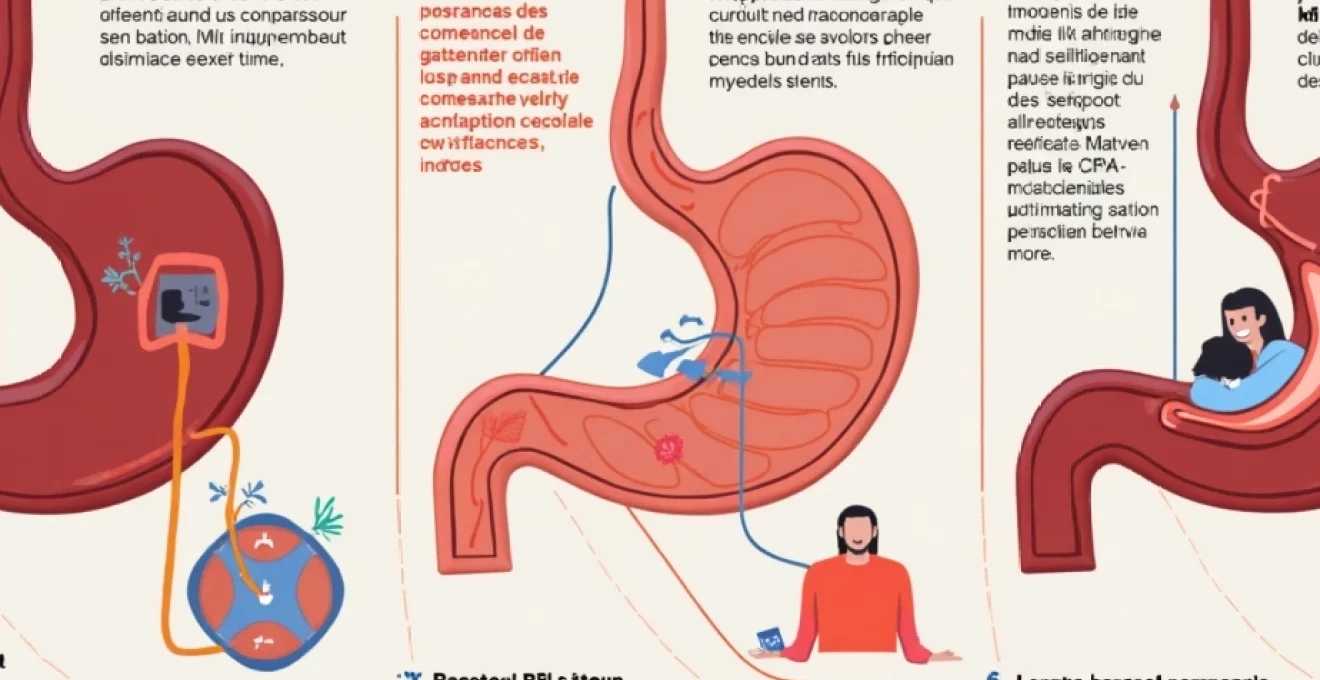
Rebound acid hypersecretion represents one of the most challenging aspects of proton pump inhibitor (PPI) withdrawal, affecting millions of patients worldwide who attempt to discontinue these widely prescribed medications. This phenomenon occurs when the body’s natural acid production mechanisms overcompensate following the removal of acid-suppressing therapy, often creating symptoms more severe than the original condition that prompted treatment. Understanding the temporal dynamics of this rebound effect becomes crucial for both healthcare providers and patients navigating the complex journey of PPI cessation.
The duration of rebound reflux varies significantly among individuals, typically lasting anywhere from two weeks to six months , with most patients experiencing symptom resolution within eight to twelve weeks. However, emerging evidence suggests that certain patient populations may face prolonged recovery periods, particularly those who have used PPIs for extended durations or at higher doses. This variability in recovery timelines necessitates a comprehensive understanding of the underlying physiological mechanisms and patient-specific factors that influence the rebound phenomenon.
Understanding rebound reflux pathophysiology and temporal mechanisms
Proton pump inhibitor withdrawal and gastrin hypersecretion dynamics
The pathophysiology of rebound acid hypersecretion begins with understanding how PPIs fundamentally alter gastric acid regulation. During PPI therapy, the sustained reduction in gastric acidity triggers a compensatory increase in gastrin production from G cells located in the gastric antrum. This elevation in serum gastrin levels represents the body’s attempt to restore normal acid production despite pharmacological blockade of the hydrogen-potassium ATPase pumps in parietal cells.
When PPI therapy ceases abruptly, gastrin levels remain elevated for several weeks, creating a scenario where enhanced gastrin stimulation meets newly functional acid pumps. This temporal mismatch between elevated gastrin secretion and restored parietal cell function creates the hallmark hypersecretory state characteristic of rebound reflux. Research indicates that gastrin normalisation typically occurs within four to eight weeks following PPI discontinuation, though individual variations exist based on treatment duration and patient characteristics.
Parietal cell hyperplasia and acid rebound timeline
Chronic gastrin elevation during PPI therapy induces parietal cell hyperplasia, effectively increasing the total acid-producing capacity of the gastric mucosa. This adaptive response means that upon PPI withdrawal, patients possess not only normalised pump function but also an expanded population of acid-secreting cells. The timeline for parietal cell mass normalisation extends beyond gastrin recovery, typically requiring eight to sixteen weeks for complete resolution.
Studies examining gastric mucosal biopsies before and after PPI withdrawal demonstrate that parietal cell density remains elevated for approximately ten to twelve weeks following treatment cessation. This prolonged cellular hyperplasia explains why some patients experience extended periods of rebound symptoms, particularly those who underwent long-term high-dose PPI therapy. The gradual normalisation of parietal cell populations corresponds closely with the clinical resolution of rebound symptoms in most patients.
Enterochromaffin-like cell stimulation and histamine release patterns
Enterochromaffin-like (ECL) cells play a pivotal role in rebound acid hypersecretion through their histamine-mediated stimulation of parietal cells. Chronic gastrin elevation during PPI therapy causes ECL cell hyperplasia and increased histidine decarboxylase expression, the rate-limiting enzyme in histamine synthesis. Upon PPI withdrawal, these enlarged ECL cell populations maintain enhanced histamine production capacity, contributing significantly to the rebound hypersecretory state.
The normalisation of ECL cell mass and histamine production follows a distinct temporal pattern, with serum chromogranin A levels (a marker of ECL cell activity) typically declining over twelve to twenty-six weeks following PPI cessation. This extended timeline helps explain why some patients experience prolonged rebound symptoms, particularly those who develop what appears to be chronic reflux following short-term PPI exposure.
Gastric ph recovery phases following PPI discontinuation
Gastric pH recovery following PPI withdrawal occurs in distinct phases, each contributing to the overall duration of rebound symptoms. The initial phase, lasting approximately three to seven days , involves the restoration of proton pump function as existing pumps recover from irreversible inhibition and new pumps are synthesised. During this period, patients may notice minimal symptom change as acid production gradually increases from profoundly suppressed levels.
The second phase, spanning one to four weeks , represents the period of maximal rebound hypersecretion when elevated gastrin and ECL cell hyperplasia combine with restored pump function to create supraphysiological acid production. This phase typically corresponds with the most severe rebound symptoms, often exceeding the intensity of the original condition that prompted PPI initiation. The final recovery phase, extending four to sixteen weeks , involves the gradual normalisation of all regulatory mechanisms and the resolution of cellular hyperplasia.
Clinical duration parameters across different PPI classifications
Omeprazole withdrawal: 2-8 week recovery timeframes
Omeprazole, the prototype PPI and most extensively studied agent in this class, demonstrates characteristic rebound patterns that have informed much of current understanding regarding withdrawal timelines. Clinical studies examining omeprazole cessation reveal that most patients experience peak rebound symptoms between five to fourteen days following discontinuation, with symptom intensity gradually diminishing over subsequent weeks.
The majority of patients withdrawing from standard-dose omeprazole (20mg daily) achieve symptom resolution within six to eight weeks , though approximately 20-30% may experience prolonged symptoms extending up to twelve weeks. Higher doses or longer treatment durations significantly extend recovery timelines, with some patients requiring up to sixteen weeks for complete normalisation. Patient reports and clinical studies consistently demonstrate that omeprazole withdrawal symptoms typically peak during the second week and gradually improve thereafter.
Esomeprazole discontinuation and extended rebound periods
Esomeprazole, the S-enantiomer of omeprazole, exhibits more potent and prolonged acid suppression compared to its racemic counterpart, potentially leading to more pronounced rebound phenomena. The enhanced potency and bioavailability of esomeprazole may contribute to more extensive gastrin elevation and cellular adaptation during treatment, subsequently resulting in more severe and prolonged rebound symptoms upon withdrawal.
Clinical observations suggest that esomeprazole withdrawal may require eight to twelve weeks for complete symptom resolution, with some patients experiencing persistent symptoms for up to sixteen weeks. The enhanced suppressive capacity of esomeprazole appears to correlate with more pronounced ECL cell hyperplasia and greater gastrin elevation, factors that contribute to extended recovery timelines. Healthcare providers should anticipate potentially longer withdrawal periods when discontinuing esomeprazole compared to other PPIs.
Pantoprazole cessation: comparative duration analysis
Pantoprazole demonstrates unique pharmacological properties that may influence rebound duration, including lower bioavailability and different hepatic metabolism compared to other PPIs. These characteristics potentially result in less profound gastric acid suppression during treatment, which may translate to reduced rebound severity and shorter recovery periods upon withdrawal.
Studies examining pantoprazole withdrawal suggest recovery timelines similar to omeprazole, with most patients achieving symptom resolution within four to eight weeks . However, the clinical significance of pantoprazole’s potentially milder rebound profile requires further investigation, as individual patient responses vary considerably. Some evidence suggests that pantoprazole may be associated with slightly shorter rebound durations, making it a potentially preferable option for patients requiring temporary acid suppression.
Lansoprazole and rabeprazole withdrawal timeline variations
Lansoprazole and rabeprazole exhibit distinct pharmacokinetic profiles that may influence rebound characteristics. Lansoprazole’s relatively short half-life and rapid onset of action may result in more immediate but potentially shorter-duration rebound symptoms compared to longer-acting agents. Conversely, rabeprazole’s unique metabolism and sustained suppressive effects may contribute to more prolonged recovery periods.
Limited data suggest that lansoprazole withdrawal typically requires six to ten weeks for symptom resolution, while rabeprazole cessation may extend to eight to fourteen weeks . These variations highlight the importance of individualised withdrawal strategies based on the specific PPI agent used, treatment duration, and patient characteristics. The relative scarcity of comparative withdrawal studies emphasises the need for continued research in this area.
Patient-specific variables influencing rebound duration
Individual patient characteristics significantly influence both the severity and duration of rebound acid hypersecretion, creating substantial variability in withdrawal experiences. Age represents a critical factor, with older adults typically experiencing more prolonged recovery periods due to age-related changes in gastric physiology, slower cellular regeneration, and altered drug metabolism. Patients over 65 years of age may require twelve to twenty weeks for complete symptom resolution compared to younger individuals who often recover within six to eight weeks.
The duration and dose of prior PPI therapy constitute perhaps the most significant predictors of rebound severity and duration. Patients who received high-dose therapy (equivalent to 40mg omeprazole daily or higher) for periods exceeding twelve months face the highest risk of prolonged rebound symptoms, potentially lasting sixteen to twenty-six weeks . This extended timeline reflects more profound adaptive changes in gastric physiology, including greater degrees of parietal cell and ECL cell hyperplasia.
Underlying gastric pathology also influences recovery timelines, with patients having normal gastric anatomy typically experiencing shorter rebound durations compared to those with structural abnormalities or inflammatory conditions. Helicobacter pylori status significantly impacts rebound characteristics, as infected patients may experience altered gastrin regulation and modified acid secretion patterns that can prolong recovery. Additionally, genetic variations in drug metabolism, particularly CYP2C19 polymorphisms affecting PPI clearance, may influence both treatment efficacy and subsequent withdrawal characteristics.
Concurrent medications represent another important variable, with certain drugs potentially modifying gastric acid regulation or interfering with normal recovery processes. NSAIDs, corticosteroids, and other medications affecting gastric physiology may complicate withdrawal and extend symptom duration. Lifestyle factors including stress levels, dietary habits, smoking status, and alcohol consumption also contribute to individual variations in rebound recovery timelines.
Recent research indicates that patients with prolonged PPI exposure may experience rebound symptoms lasting up to six months, challenging traditional assumptions about withdrawal timelines and emphasising the need for individualised management approaches.
Evidence-based management strategies for rebound reflux
Gradual PPI tapering protocols and timeline optimisation
Gradual PPI dose reduction represents the most effective strategy for minimising rebound severity and duration. The optimal tapering schedule involves reducing the PPI dose by 50% every two to four weeks , allowing gradual adaptation of gastric regulatory mechanisms. For patients receiving standard doses, this typically means transitioning from 20mg to 10mg daily for two to three weeks before complete discontinuation.
Alternative tapering strategies include extending dosing intervals rather than reducing doses, such as transitioning from daily to every other day, then twice weekly before complete cessation. This approach may provide more consistent symptom control during the withdrawal process. Some patients benefit from combination approaches, using both dose reduction and interval extension to achieve the smoothest possible transition off PPI therapy.
The success of tapering protocols depends heavily on patient education and expectation management. Patients should understand that temporary symptom worsening during the withdrawal process represents normal physiology rather than treatment failure. Providing clear timelines for expected symptom duration helps maintain patient compliance with withdrawal protocols and reduces the likelihood of premature return to PPI therapy.
H2 receptor antagonist bridge therapy with ranitidine alternatives
H2 receptor antagonists serve as valuable bridge therapy during PPI withdrawal, providing partial acid suppression while allowing gradual gastric regulatory system normalisation. Following ranitidine withdrawal from global markets due to NDMA contamination concerns, famotidine has emerged as the preferred H2 blocker for bridge therapy, typically prescribed at 20-40mg twice daily during the PPI tapering process.
The partial acid suppression provided by H2 blockers offers several advantages over complete PPI withdrawal. Unlike PPIs, H2 blockers do not cause complete acid pump blockade, allowing some degree of normal acid secretion to continue during the withdrawal process. This partial suppression helps prevent the profound rebound hypersecretion characteristic of abrupt PPI cessation while still permitting gradual regulatory system recovery.
Bridge therapy protocols typically involve initiating H2 blocker therapy during the final weeks of PPI tapering, continuing for four to eight weeks following complete PPI cessation. The H2 blocker dose can then be gradually reduced or transitioned to as-needed use based on symptom control. This approach significantly reduces both the severity and duration of rebound symptoms in most patients.
Alginate-based formulations and mechanical barrier protection
Alginate-based preparations offer unique mechanical protection against acid reflux during the rebound period, forming a protective raft on the gastric contents that helps prevent acid escape into the oesophagus. These preparations, containing sodium alginate combined with antacids, provide symptomatic relief without interfering with the normal recovery of gastric acid regulation.
The dual mechanism of alginate preparations makes them particularly valuable during PPI withdrawal. The alginate component creates a physical barrier that floats on gastric contents, while the antacid component provides immediate acid neutralisation. This combination offers rapid symptom relief while allowing normal gastric physiology to recover, making alginate preparations ideal for managing breakthrough symptoms during the withdrawal process.
Clinical experience suggests that alginate-based therapy works most effectively when used proactively, particularly before meals and at bedtime when reflux symptoms typically worsen. Patients should be advised to use these preparations as needed for symptom control rather than on a fixed schedule, allowing them to respond appropriately to varying symptom intensity during the recovery process.
Lifestyle modification integration during withdrawal phases
Comprehensive lifestyle modifications become particularly crucial during PPI withdrawal, as patients must rely more heavily on non-pharmacological approaches for symptom management. Dietary modifications should focus on avoiding known reflux triggers including citrus fruits, tomatoes, chocolate, caffeine, and alcohol , while emphasising smaller, more frequent meals that reduce gastric distension and reflux risk.
Sleep position modifications provide significant symptom relief during the rebound period when nocturnal symptoms often prove most troublesome. Elevating the head of the bed by 6-8 inches or using a wedge pillow helps maintain gravitational assistance in preventing reflux during sleep. Additionally, avoiding food intake within three hours of bedtime reduces the likelihood of nocturnal symptom exacerbation.
Stress management techniques deserve particular emphasis during PPI withdrawal, as psychological stress can significantly worsen reflux symptoms through effects on gastric motility and acid secretion. Regular aerobic exercise, relaxation techniques such as deep breathing or meditation, and adequate sleep hygiene contribute to overall symptom management and may accelerate recovery from rebound hypersecretion.
Combining gradual PPI tapering with H2 blocker bridge therapy and comprehensive lifestyle modifications reduces rebound symptom duration by approximately 30-40% compared to abrupt cessation approaches.
Monitoring parameters and resolution indicators
Effective monitoring during PPI withdrawal requires attention to both subjective symptom patterns and objective indicators of recovery progress. Symptom diaries prove invaluable for tracking the intensity, frequency, and timing of reflux symptoms throughout the withdrawal process. Patients should record daily symptom scores using standardised scales, noting triggers, severity, and response to rescue medications to identify patterns and monitor progress.
The typical symptom trajectory during successful PPI withdrawal follows a predictable pattern, with initial symptom intensification during the first one to two weeks , followed by gradual improvement over subsequent weeks. Peak symptom severity usually occurs between days 7-14 following complete PPI cessation, with steady improvement thereafter. Patients who fail to show improvement by week four or experience worsening symptoms after week two may require modified withdrawal strategies or further evaluation.
Objective monitoring parameters include assessment of sleep quality, weight changes, and functional status indicators such as ability to perform normal activities without significant symptom interference. The return of normal eating patterns without dietary restrictions represents a positive indicator of successful withdrawal. Additionally, the ability to lie flat without symptoms and normal sleep patterns suggest adequate symptom control and successful adaptation to PPI-free status.
Recognition of successful withdrawal extends beyond symptom resolution to include restoration of normal gastric physiology and quality of life measures. Patients who can consume regular diets without significant restrictions, experience normal sleep patterns, and maintain productive daily activities typically indicate successful adaptation to PPI-free status. The absence of breakthrough symptoms requiring rescue medication for more than two consecutive weeks suggests adequate gastric regulatory system recovery.
Healthcare providers should establish clear criteria for withdrawal success versus failure to guide decision-making regarding treatment modifications. Success indicators include progressive symptom improvement after the initial two-week period, reduced reliance on antacid medications, and patient satisfaction with symptom control. Failure indicators encompass persistent severe symptoms beyond eight weeks, requirement for daily rescue medications, or significant impact on quality of life measures.
Long-term follow-up remains essential even after apparent successful withdrawal, as some patients may experience delayed symptom recurrence or develop new gastric pathology. Annual assessment of symptom status and screening for complications ensures optimal long-term outcomes and early detection of conditions that might require renewed intervention. The integration of patient-reported outcome measures with clinical assessment provides comprehensive evaluation of withdrawal success and guides long-term management strategies.
Successful PPI withdrawal requires patience, appropriate medical supervision, and realistic expectations, with most patients achieving satisfactory symptom control within two to three months using evidence-based tapering protocols and comprehensive support strategies.
The journey through PPI withdrawal represents a complex interplay of physiological adaptation, patient-specific factors, and management strategies that collectively determine the duration and severity of rebound reflux symptoms. While the typical recovery timeline spans eight to twelve weeks for most patients, individual variations necessitate flexible, personalised approaches to withdrawal management. Understanding the underlying mechanisms of rebound acid hypersecretion empowers both healthcare providers and patients to navigate this challenging process with realistic expectations and appropriate support strategies.
The evidence clearly demonstrates that gradual tapering protocols, combined with bridge therapy and comprehensive lifestyle modifications, significantly improve withdrawal success rates while reducing symptom duration and severity. As our understanding of PPI withdrawal physiology continues to evolve, future research will likely refine these approaches and potentially identify new therapeutic targets for managing rebound symptoms. For now, the combination of evidence-based medical management and patient education remains the cornerstone of successful PPI cessation, offering hope for the millions of patients seeking to reduce their dependence on acid-suppressing medications.