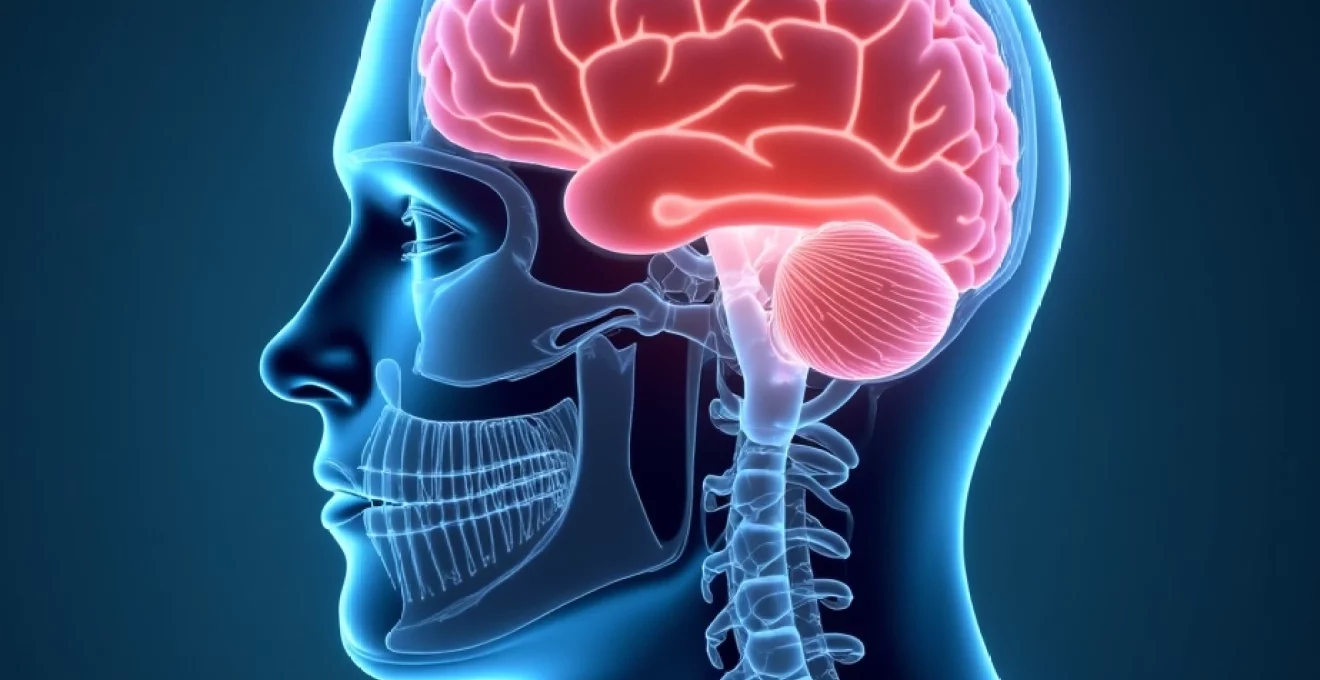
Unilateral head tingling represents a distinct neurological symptom that affects millions of individuals worldwide, manifesting as abnormal sensations ranging from mild pins and needles to pronounced numbness or burning sensations. This asymmetric presentation often signals underlying pathological processes affecting specific neural pathways, vascular structures, or musculoskeletal components on one side of the cranium. Unlike bilateral symptoms that might suggest systemic conditions, hemicranial paresthesias typically point to localised anatomical dysfunction requiring targeted diagnostic investigation.
The complexity of cranial innervation creates numerous potential pathways for unilateral sensory disturbances, involving intricate networks of cranial nerves, cervical nerve roots, and vascular supply systems. Understanding these mechanisms becomes crucial for both medical professionals and patients experiencing such symptoms, particularly when differentiating between benign, self-limiting conditions and those requiring immediate medical intervention.
Neurological conditions causing unilateral head tingling
Neurological disorders represent the most common aetiological category for hemicranial paresthesias, encompassing conditions that directly affect nerve function through various pathophysiological mechanisms. These disorders typically involve specific cranial nerves or localised brain regions, resulting in characteristic patterns of sensory disturbance that can aid in diagnostic differentiation.
Trigeminal neuralgia and Branch-Specific sensory disturbances
Trigeminal neuralgia affects the fifth cranial nerve, creating intense, shock-like sensations along specific anatomical distributions. The trigeminal nerve’s three main branches—ophthalmic, maxillary, and mandibular—each serve distinct facial regions, allowing for precise localisation of symptoms. When compression or irritation affects individual branches, patients experience unilateral tingling, numbness, or burning sensations corresponding to the affected nerve territory.
Classical trigeminal neuralgia typically presents with paroxysmal attacks lasting seconds to minutes, triggered by light touch or movement. However, atypical presentations may include constant burning or aching sensations with superimposed sharp attacks. Microvascular compression remains the most common underlying cause, where blood vessels compress the trigeminal nerve root near its brainstem entry point, disrupting normal nerve conduction patterns.
Occipital neuralgia and posterior scalp paresthesias
Occipital neuralgia involves irritation or inflammation of the greater, lesser, or third occipital nerves, creating distinctive patterns of posterior scalp and upper neck tingling. These nerves originate from cervical spinal segments and traverse various anatomical structures before innervating the posterior scalp region. When compressed or inflamed, they produce sharp, shooting pains or tingling sensations extending from the suboccipital region to the vertex of the skull.
The condition often develops secondary to cervical spine pathology, muscle tension, or direct trauma affecting the nerve pathways. Diagnostic nerve blocks using local anaesthetics can confirm the diagnosis whilst simultaneously providing therapeutic relief. Treatment approaches range from conservative management with muscle relaxants and nerve blocks to more invasive procedures like neurolysis or nerve stimulation therapy.
Bell’s palsy and associated facial nerve dysfunction
Bell’s palsy represents acute, unilateral facial nerve paralysis affecting the seventh cranial nerve, frequently accompanied by sensory disturbances including tingling or numbness across the affected side of the face. The condition typically develops rapidly over 24-48 hours, reaching maximum severity within one week of onset. Beyond motor weakness, patients often experience altered sensation in the ear canal, changes in taste perception, and various degrees of facial paresthesias.
The underlying pathophysiology involves viral-induced inflammation and oedema within the narrow fallopian canal, compressing the facial nerve and disrupting both motor and sensory functions. Herpes simplex virus reactivation represents the most commonly implicated infectious agent, though other viral pathogens may contribute to the inflammatory process. Early recognition and treatment with corticosteroids can significantly improve outcomes and reduce the risk of permanent neurological deficits.
Migraine aura manifestations and hemicranial sensory symptoms
Migraine aura frequently manifests as unilateral sensory disturbances, including tingling sensations that typically progress in a characteristic marching pattern across the face and head. These neurological symptoms precede or accompany the headache phase, representing cortical spreading depression phenomena affecting sensory processing regions of the brain. The tingling usually begins in the fingers or perioral region before spreading to involve larger areas of the face and head.
Sensory aura symptoms develop gradually over 5-20 minutes and typically resolve within one hour, distinguishing them from other acute neurological events.
The predictable progression and self-limiting nature of migraine aura help differentiate these symptoms from more serious conditions requiring immediate medical attention.
Some individuals experience aura symptoms without subsequent headache, creating diagnostic challenges that require careful clinical evaluation and sometimes neuroimaging studies.
Vascular aetiologies behind hemicranial paresthesias
Vascular disorders affecting cranial blood supply represent another significant category of conditions causing unilateral head tingling. These disorders involve various mechanisms including arterial stenosis, inflammatory vasculitis, and acute thrombotic events that compromise blood flow to specific brain regions or cranial structures. Understanding vascular contributions becomes particularly important given the potential for serious complications and the availability of specific therapeutic interventions.
Temporal arteritis and cranial blood vessel inflammation
Giant cell arteritis, commonly affecting the temporal arteries, creates inflammatory changes that can produce various neurological symptoms including unilateral head tingling. This systemic vasculitis primarily affects medium and large-calibre arteries in individuals over 50 years of age, with a particular predilection for branches of the external carotid artery system. The inflammatory process leads to arterial wall thickening, luminal narrowing, and potential thrombotic occlusion.
Patients typically present with temporal headaches, scalp tenderness, and jaw claudication, though sensory disturbances may also occur due to compromised blood supply to cranial nerves or scalp tissues. Erythrocyte sedimentation rate and C-reactive protein levels are characteristically elevated, supporting the clinical diagnosis. Temporal artery biopsy remains the gold standard for definitive diagnosis, though treatment with high-dose corticosteroids should not be delayed whilst awaiting biopsy results due to the risk of permanent visual loss.
Carotid artery stenosis and cerebrovascular insufficiency
Significant carotid artery stenosis can produce various neurological symptoms, including unilateral sensory disturbances affecting the head and face. The stenotic process typically develops gradually due to atherosclerotic plaque formation, though acute thrombotic events can precipitate sudden symptom onset. Reduced cerebral perfusion affects cortical regions responsible for sensory processing, creating symptoms that may fluctuate with changes in blood pressure or head position.
Hemodynamic compromise may be particularly noticeable during periods of increased metabolic demand or concurrent hypotension. Duplex ultrasonography provides initial assessment of carotid stenosis severity, whilst CT or MR angiography offers detailed anatomical evaluation. Treatment decisions depend on stenosis severity, symptom burden, and individual patient factors, ranging from medical management with antiplatelet agents and statins to surgical or endovascular revascularisation procedures.
Cluster headache syndrome and Trigemino-Vascular activation
Cluster headaches involve complex interactions between trigeminal and autonomic nervous systems, often producing unilateral sensory symptoms including tingling or numbness around the affected eye and temporal region. The condition demonstrates distinctive temporal patterns with headache clusters occurring over weeks to months, separated by prolonged remission periods. During active phases, attacks typically occur at consistent times, often awakening patients from sleep.
The underlying pathophysiology involves hypothalamic dysfunction leading to trigemino-vascular activation and parasympathetic stimulation. This creates the characteristic combination of severe unilateral pain, autonomic symptoms, and various sensory disturbances. High-flow oxygen therapy provides rapid relief for acute attacks, whilst preventive medications including verapamil and lithium help reduce attack frequency during cluster periods.
Transient ischaemic attack presentations in head and neck region
Transient ischaemic attacks affecting posterior circulation territories can produce unilateral head and face tingling as prominent symptoms. These episodes result from temporary disruption of blood flow to brainstem regions responsible for sensory processing, creating symptoms that typically resolve within 24 hours. The vertebrobasilar system supplies critical brainstem structures including sensory nuclei and pathways, making these regions vulnerable to ischaemic events.
Risk factors mirror those for other cerebrovascular diseases, including hypertension, diabetes, hyperlipidaemia, and atrial fibrillation.
Early recognition of TIA symptoms is crucial, as these events significantly increase the risk of subsequent stroke, with the highest risk occurring within the first 48-72 hours.
Immediate evaluation should include neuroimaging, vascular assessment, and initiation of appropriate secondary prevention measures including antiplatelet therapy and risk factor modification.
Musculoskeletal origins of unilateral cranial tingling
Musculoskeletal disorders affecting the cervical spine and surrounding soft tissues frequently contribute to unilateral head tingling through various mechanisms including nerve compression, muscle tension, and referred pain patterns. The intimate relationship between cervical spine structures and cranial innervation creates multiple pathways for symptom development, often requiring comprehensive evaluation of both spinal and cranial components.
Cervical facet joint dysfunction represents a common source of referred head and neck symptoms, particularly affecting the upper cervical segments that have direct connections to cranial pain pathways. Joint dysfunction at the atlantooccipital and atlantoaxial levels can irritate surrounding neural structures, creating patterns of referred sensation that may be perceived as head tingling. These symptoms often demonstrate characteristic patterns related to specific joint levels and may be reproduced with particular head and neck movements.
Myofascial trigger points within cervical and suboccipital muscles create another mechanism for unilateral head symptoms. These hyperirritable spots within muscle fibres can produce local tenderness and referred sensations extending into cranial territories. The upper trapezius, splenius capitis, and suboccipital muscle groups commonly develop trigger points that refer sensation to various head regions. Manual therapy techniques including trigger point release, muscle energy techniques, and soft tissue mobilisation often provide significant symptom relief.
Postural abnormalities, particularly forward head posture and cervical lordosis alterations, create chronic stress on cervical spine structures that can contribute to head tingling symptoms. Modern lifestyle factors including prolonged computer use, mobile device usage, and sedentary work environments contribute to these postural changes. The resulting muscle imbalances and joint restrictions can irritate cervical nerve roots or create tension patterns that affect cranial sensation. Addressing these underlying postural issues through ergonomic modifications, strengthening exercises, and manual therapy approaches often provides lasting symptom improvement.
Cervical spine pathology and referred cranial symptoms
Cervical spine disorders create complex patterns of referred sensation that can manifest as unilateral head tingling through well-established anatomical and neurophysiological mechanisms. The upper cervical spine maintains intimate connections with brainstem structures and cranial nerve pathways, creating opportunities for bidirectional symptom referral between cervical and cranial regions. Understanding these relationships becomes crucial for accurate diagnosis and effective treatment planning.
Cervical radiculopathy affecting the C2 and C3 nerve roots commonly produces head and facial symptoms due to the anatomical distribution of these nerve pathways. The greater occipital nerve, originating primarily from the C2 spinal nerve, provides sensation to the posterior scalp and can create tingling sensations when compressed or irritated by cervical spine pathology. Similarly, the third occipital nerve and other upper cervical nerve branches contribute to cranial sensation and may be affected by various spinal disorders.
Atlanto-occipital and atlantoaxial joint dysfunction represents another significant source of referred cranial symptoms. These joints allow for the majority of cervical rotation and flexion-extension movements, making them susceptible to both traumatic and degenerative changes. Joint restriction or inflammation at these levels can irritate surrounding neural structures and create patterns of referred sensation extending into various head regions. Cervical spine mobilisation and manipulation techniques often provide rapid symptom relief when these joints are the primary source of dysfunction.
Herniated cervical discs, particularly at the C2-3 and C3-4 levels, can compress nerve roots or create inflammatory reactions that affect cranial sensation. The inflammatory mediators released by damaged disc tissue can sensitise surrounding neural structures, creating symptoms that extend beyond the immediate area of pathology. Advanced imaging with MRI helps identify disc pathology and guide appropriate treatment decisions, which may range from conservative management with physical therapy and anti-inflammatory medications to surgical intervention in severe cases.
Diagnostic approaches for isolating hemicranial sensory abnormalities
Comprehensive diagnostic evaluation of unilateral head tingling requires systematic assessment of multiple potential aetiological factors, utilising both clinical examination techniques and advanced diagnostic modalities. The diagnostic approach should progress logically from initial clinical assessment through targeted investigations based on suspected underlying pathology. This structured methodology helps ensure accurate diagnosis whilst avoiding unnecessary testing and associated healthcare costs.
Clinical examination begins with detailed history taking, focusing on symptom onset, duration, quality, and associated features. The temporal pattern of symptoms provides crucial diagnostic clues, with sudden onset suggesting vascular aetiologies, gradual progression indicating degenerative conditions, and episodic patterns pointing toward migraine or neuralgic disorders. Physical examination should include comprehensive neurological assessment, cervical spine evaluation, and cranial nerve testing to identify focal deficits or dysfunction patterns.
Electromyography and nerve conduction studies in cranial assessment
Electromyography and nerve conduction studies provide objective assessment of peripheral nerve function and can help localise specific sites of nerve dysfunction contributing to unilateral head tingling. These studies measure electrical activity within muscles and nerve conduction velocities, identifying areas of nerve compression, demyelination, or axonal damage. For cranial symptoms, particular attention focuses on trigeminal nerve function, facial nerve conduction, and cervical nerve root assessment.
Trigeminal nerve conduction studies can identify focal abnormalities affecting specific nerve branches, helping differentiate between central and peripheral causes of facial tingling. The blink reflex test evaluates both afferent trigeminal and efferent facial nerve pathways, providing information about brainstem function and cranial nerve integrity. Needle EMG examination of relevant muscles can identify denervation patterns suggesting nerve root or peripheral nerve pathology.
Magnetic resonance angiography for vascular evaluation
Magnetic resonance angiography (MRA) provides detailed, non-invasive evaluation of intracranial and extracranial blood vessels, helping identify vascular abnormalities that may contribute to unilateral head tingling. This imaging modality can detect arterial stenosis, aneurysms, arteriovenous malformations, and other vascular lesions without requiring contrast agents or ionising radiation. The technique proves particularly valuable for assessing posterior circulation territories commonly associated with brainstem symptoms.
Time-of-flight MRA sequences detect flowing blood based on its movement characteristics, providing excellent visualisation of major arterial structures. Contrast-enhanced MRA offers superior resolution for smaller vessels and can better demonstrate slow flow conditions. Three-dimensional reconstruction capabilities allow for detailed analysis of vascular anatomy and identification of subtle abnormalities that might be missed on conventional imaging studies.
Computerised tomography protocols for structural brain analysis
High-resolution CT imaging provides rapid assessment of structural brain abnormalities that may contribute to unilateral sensory symptoms. Modern multi-detector CT scanners offer excellent spatial resolution and can identify acute haemorrhage, mass lesions, and gross structural abnormalities within minutes of scanning. For patients presenting with acute onset symptoms, CT imaging often represents the initial diagnostic modality due to its speed and widespread availability.
CT angiography protocols utilise intravenous contrast enhancement to visualise arterial structures with excellent detail, providing information comparable to conventional angiography for many clinical applications. The technique proves particularly valuable for evaluating acute stroke, arterial dissection, and other vascular emergencies requiring immediate intervention. Perfusion CT studies can assess cerebral blood flow patterns and identify areas of compromised perfusion that may contribute to neurological symptoms.
Treatment modalities for unilateral head tingling management
Treatment approaches for unilateral head tingling must address the
underlying pathophysiology while providing symptomatic relief and preventing symptom progression. The multimodal approach typically combines pharmacological interventions, physical therapies, and procedural techniques tailored to the specific diagnostic findings and patient characteristics. Early intervention often yields superior outcomes compared to delayed treatment approaches, particularly for conditions involving nerve compression or inflammatory processes.
Pharmacological management begins with targeted medications addressing the underlying condition and associated symptoms. For neuralgic conditions affecting cranial nerves, anticonvulsant medications such as gabapentin and pregabalin provide effective neuropathic pain relief and can reduce associated tingling sensations. These medications work by modulating calcium channels and reducing excessive neural firing patterns that contribute to abnormal sensations.
Tricyclic antidepressants like amitriptyline and nortriptyline offer dual benefits by addressing both neuropathic symptoms and any concurrent mood disturbances that may develop with chronic sensory symptoms. These medications enhance descending inhibitory pathways whilst blocking sodium channels, effectively reducing neural hypersensitivity and abnormal firing patterns.
Topical treatments including capsaicin cream and lidocaine patches provide localised relief for superficial nerve involvement without systemic side effects. These agents work through different mechanisms – capsaicin depletes substance P from sensory nerve terminals, whilst lidocaine provides local anaesthetic effects by blocking sodium channels. Combined application techniques can enhance efficacy whilst minimising individual agent concentrations.
Physical therapy interventions focus on addressing musculoskeletal contributions to unilateral head tingling through targeted exercise programs and manual therapy techniques. Cervical spine mobilisation and manipulation can restore normal joint mechanics and reduce nerve irritation from spinal dysfunction. These techniques must be performed by qualified practitioners following appropriate diagnostic imaging to ensure safety and effectiveness.
Therapeutic exercise programs addressing postural abnormalities and muscle imbalances provide long-term benefits by addressing underlying biomechanical factors contributing to symptom development.
Strengthening exercises targeting deep cervical flexors and upper thoracic extensors help restore normal cervical spine alignment and reduce stress on neural structures. Stretching techniques for hypertonic muscles including the upper trapezius, levator scapulae, and suboccipital muscle groups can alleviate tension-related contributions to cranial symptoms. Progressive loading programs ensure sustainable improvements whilst preventing symptom exacerbation during the rehabilitation process.
Interventional procedures offer targeted relief for specific anatomical abnormalities contributing to unilateral head tingling. Nerve blocks using local anaesthetics and corticosteroids can provide both diagnostic confirmation and therapeutic benefit for neuralgic conditions. Greater occipital nerve blocks prove particularly effective for posterior scalp symptoms, whilst trigeminal nerve blocks address facial paresthesias associated with trigeminal dysfunction.
Advanced interventional techniques including radiofrequency ablation and pulsed radiofrequency treatments provide longer-lasting relief for chronic neuralgic conditions unresponsive to conservative management. These procedures use controlled thermal or electrical energy to modulate nerve conduction and reduce pain signal transmission. Peripheral nerve stimulation offers reversible neuromodulation options for patients seeking alternatives to destructive procedures.
Lifestyle modifications play crucial roles in managing unilateral head tingling by addressing contributing factors and optimising healing environments. Stress management techniques including meditation, deep breathing exercises, and progressive muscle relaxation can reduce sympathetic nervous system activation that may exacerbate sensory symptoms. Regular sleep hygiene practices ensure adequate rest for neural recovery and reduce fatigue-related symptom exacerbation.
Ergonomic assessments and workplace modifications address postural factors contributing to cervical spine dysfunction and associated cranial symptoms. Computer workstation adjustments, including monitor height optimisation and keyboard positioning, can reduce forward head posture and associated muscle tension. Mobile device usage modifications and regular movement breaks help prevent prolonged static postures that contribute to symptom development.
Nutritional considerations include ensuring adequate vitamin B12, folate, and other B-complex vitamins essential for proper nerve function. Deficiencies in these nutrients can contribute to peripheral neuropathy and sensory disturbances, making dietary assessment and supplementation important components of comprehensive care. Anti-inflammatory dietary patterns may also help reduce chronic inflammation contributing to nerve irritation and dysfunction.
Multidisciplinary care coordination ensures comprehensive evaluation and treatment of complex cases involving multiple contributing factors. Collaboration between neurologists, pain specialists, physical therapists, and other healthcare professionals provides access to the full range of diagnostic and therapeutic options. Regular monitoring and treatment adjustment allow for optimisation of outcomes whilst minimising adverse effects from various interventions.
Patient education regarding symptom recognition, activity modification, and when to seek medical attention empowers individuals to participate actively in their care. Understanding warning signs that might indicate serious underlying conditions helps ensure appropriate and timely medical evaluation. Self-management strategies including relaxation techniques and gentle exercises provide patients with tools for symptom control between healthcare visits.