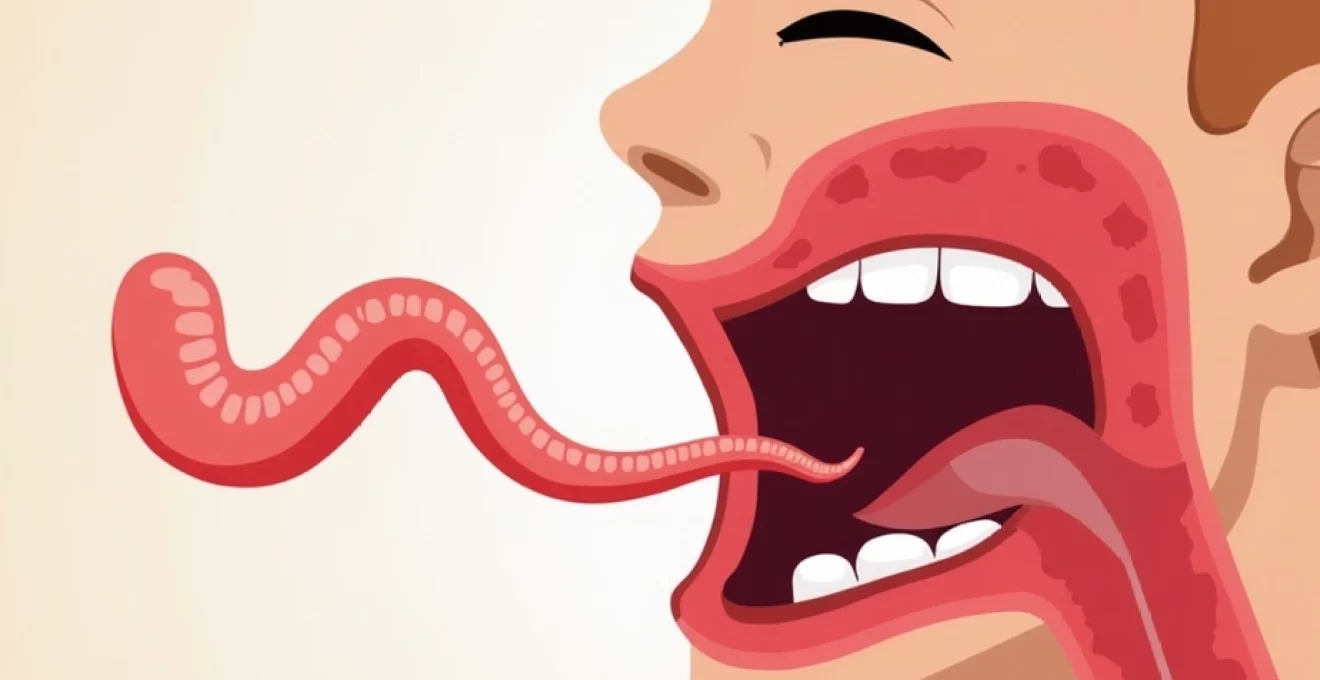
Gagging without productive vomiting, medically termed dry heaving or retching, affects millions of individuals worldwide yet remains poorly understood by the general public. This phenomenon involves the characteristic muscle contractions and sensations of vomiting without the actual expulsion of stomach contents, creating a distressing experience that can significantly impact quality of life. Unlike traditional nausea that may resolve with simple remedies, non-productive gagging episodes often stem from complex physiological, psychological, or pathological mechanisms that require targeted intervention. Understanding the underlying causes of this condition becomes crucial for both healthcare providers and patients seeking effective management strategies.
Physiological mechanisms behind Non-Productive gagging episodes
Vagus nerve stimulation and gag reflex activation
The vagus nerve serves as the primary conductor orchestrating gagging responses through its extensive network connecting the brainstem to the digestive tract. When activated inappropriately, this cranial nerve can trigger intense gagging sensations even in the absence of genuine threats requiring gastric emptying. Vagal hypersensitivity often develops following infections, trauma, or chronic inflammatory conditions affecting the nerve pathways.
Research indicates that approximately 15-20% of individuals experiencing recurrent dry heaving episodes demonstrate heightened vagal tone, leading to exaggerated gag reflexes. This heightened sensitivity can be triggered by minimal stimuli such as brushing teeth, consuming certain textures, or even emotional stress. The vagus nerve’s role in gut-brain communication means that psychological states directly influence gagging thresholds, creating a complex interplay between mental and physical symptoms.
Pharyngeal muscle contractions without gastric content expulsion
The coordinated contraction of pharyngeal muscles represents a sophisticated protective mechanism designed to clear potential threats from the upper respiratory tract. However, when this system malfunctions, individuals experience the full muscular response without any material to expel. These contractions involve the constrictor muscles of the pharynx, the soft palate, and the base of the tongue working in synchronised waves.
Clinical observations reveal that pharyngeal hypersensitivity affects nearly 12% of adults at some point in their lives, with women showing slightly higher prevalence rates. The condition often manifests as sudden, intense gagging spells that can last several minutes, leaving patients exhausted and anxious about recurrence. Understanding these muscular patterns helps clinicians differentiate between functional and organic causes of non-productive gagging.
Neurological pathways in dry heaving responses
The neurological cascade triggering dry heaving involves multiple brain regions, including the medulla oblongata, the chemoreceptor trigger zone, and various cortical areas processing sensory input. When these pathways become dysregulated, the brain may initiate vomiting responses based on faulty signals rather than genuine physiological needs. Neuroplasticity plays a crucial role, as repeated episodes can create neural pathways that lower the threshold for future gagging responses.
Neurotransmitter imbalances, particularly involving serotonin and dopamine, significantly influence gagging susceptibility. Studies demonstrate that individuals with altered neurotransmitter profiles show three times higher rates of functional gagging disorders compared to those with normal brain chemistry. This neurochemical component explains why certain medications affecting these systems can either trigger or alleviate gagging symptoms.
Oesophageal spasms and upper digestive tract dysfunction
Oesophageal motility disorders create mechanical triggers for gagging through abnormal muscle contractions and impaired coordination of swallowing mechanisms. These spasms can occur anywhere along the oesophageal length, but upper oesophageal involvement typically produces the most pronounced gagging responses. The condition affects approximately 8% of adults over age 50, though younger individuals with connective tissue disorders also show increased susceptibility.
Upper digestive tract dysfunction encompasses various disorders affecting the oesophagus, gastroesophageal junction, and proximal stomach. When these structures fail to coordinate properly, food and liquid may stimulate inappropriate gagging responses or create sensations that trigger protective reflexes. The complex interaction between mechanical dysfunction and sensory hypersensitivity often requires comprehensive diagnostic evaluation to identify underlying causes and develop effective treatment strategies.
Gastroesophageal reflux disease and silent GERD manifestations
Laryngopharyngeal Reflux-Induced gagging patterns
Laryngopharyngeal reflux (LPR) represents a distinct manifestation of gastroesophageal reflux where stomach acid reaches the throat and voice box without classic heartburn symptoms. This silent reflux can trigger chronic gagging episodes through direct irritation of sensitive pharyngeal tissues. Unlike typical GERD symptoms, LPR-induced gagging often occurs during daytime hours and may be triggered by specific foods, positions, or activities.
Studies indicate that up to 60% of patients with chronic gagging symptoms demonstrate evidence of laryngopharyngeal reflux on specialised testing. The condition particularly affects teachers, singers, and other vocal professionals due to increased laryngeal sensitivity. Recognition of LPR as a gagging trigger has improved significantly in recent years, leading to more targeted therapeutic approaches and better patient outcomes.
Pepsin and bile acid irritation of hypopharyngeal tissues
Pepsin, the primary protein-digesting enzyme from the stomach, can remain active in the hypopharyngeal region even at relatively alkaline pH levels. This persistent enzymatic activity creates ongoing tissue irritation and inflammation, leading to heightened sensitivity and increased gagging responses. Pepsin deposition in the hypopharynx has been identified in over 70% of patients with unexplained chronic gagging.
Bile acids present another significant irritant when they reflux into the upper digestive tract. These detergent-like molecules can damage protective mucous barriers and create chemical burns in sensitive tissues. Research demonstrates that bile acid exposure increases gagging threshold sensitivity by up to 40%, explaining why some patients experience symptoms even with minimal reflux episodes. The combination of pepsin and bile acids creates a particularly problematic scenario requiring specialised treatment approaches.
Lower oesophageal sphincter dysfunction in Non-Erosive GERD
Non-erosive gastroesophageal reflux disease (NERD) affects approximately 70% of all GERD patients yet often goes undiagnosed due to the absence of visible tissue damage on endoscopic examination. Lower oesophageal sphincter (LES) dysfunction in NERD patients creates intermittent reflux episodes that may not produce classic symptoms but can trigger significant gagging responses through neurogenic pathways.
The LES in NERD patients typically demonstrates transient relaxations rather than permanent weakness, making diagnosis challenging through standard testing methods. Advanced diagnostic techniques such as impedance-pH monitoring reveal that these patients experience frequent acid and non-acid reflux episodes, many of which reach the upper oesophagus and trigger gagging responses. Understanding this mechanism has led to recognition that effective GERD treatment often requires addressing both acid suppression and LES function improvement.
Proton pump inhibitor resistance in atypical reflux cases
Proton pump inhibitor (PPI) resistance occurs in approximately 30-40% of patients with reflux-related gagging symptoms, necessitating alternative therapeutic approaches. This resistance may result from non-acid reflux, genetic variations in drug metabolism, inadequate dosing timing, or concurrent medications affecting PPI efficacy. Refractory symptoms in these patients often indicate complex underlying mechanisms requiring comprehensive evaluation.
Patients demonstrating PPI resistance frequently benefit from combination therapies incorporating prokinetic agents, alginate preparations, or surgical interventions. Recent developments in reflux management include potassium-competitive acid blockers (P-CABs) and magnetic sphincter augmentation devices, offering new hope for patients with treatment-resistant symptoms. The key lies in recognising that gagging symptoms may persist despite adequate acid suppression if non-acid components or mechanical factors continue triggering responses.
Psychological and Anxiety-Related gagging disorders
Psychogenic vomiting syndrome and functional nausea
Psychogenic vomiting syndrome encompasses a spectrum of gagging and retching behaviours triggered primarily by psychological rather than physical factors. This condition affects an estimated 4-6% of the population, with higher prevalence rates among individuals with anxiety disorders, depression, or trauma histories. The syndrome demonstrates how powerful mind-body connections can create genuine physical symptoms without underlying organic pathology.
Functional nausea often accompanies psychogenic gagging, creating a cycle where anxiety about gagging triggers the very symptoms patients fear most. Anticipatory anxiety plays a crucial role in perpetuating these symptoms, as patients develop heightened awareness of bodily sensations and interpret normal digestive functions as threatening. Breaking this cycle typically requires comprehensive approaches combining psychological interventions with targeted symptom management strategies.
Emetophobia-triggered anticipatory gagging responses
Emetophobia, the intense fear of vomiting, affects approximately 0.1-3% of the population yet can create debilitating gagging symptoms through anticipatory anxiety mechanisms. Patients with emetophobia often develop hypervigilance regarding gastrointestinal sensations, interpreting normal digestive processes as precursors to vomiting. This heightened awareness can trigger actual gagging responses through psychological conditioning and autonomic nervous system activation.
The condition typically manifests during childhood or adolescence but can develop at any age following traumatic vomiting experiences. Patients may avoid certain foods, situations, or activities they associate with vomiting risk, leading to significant lifestyle limitations. Cognitive-behavioural interventions specifically designed for emetophobia show success rates of 80-90% when properly implemented, offering hope for patients trapped in cycles of fear and physical symptoms.
Stress-induced vagal tone alterations
Chronic stress fundamentally alters vagal tone and autonomic nervous system balance, creating conditions conducive to inappropriate gagging responses. The vagus nerve serves dual roles in both stress response and digestive function, making it particularly vulnerable to stress-induced dysfunction. Chronic stress can lower gagging thresholds while simultaneously increasing the frequency and intensity of triggering stimuli.
Research demonstrates that individuals experiencing chronic stress show 50-75% higher rates of functional gastrointestinal symptoms, including unexplained gagging episodes. The stress-vagus nerve interaction creates a complex feedback loop where gagging symptoms increase stress levels, which further dysregulate vagal function and perpetuate the cycle. Understanding this mechanism helps explain why stress management interventions often prove more effective than purely medical approaches for certain patient populations.
Cognitive behavioural therapy applications in functional gagging
Cognitive behavioural therapy (CBT) has emerged as a highly effective intervention for functional gagging disorders, with success rates ranging from 70-85% in well-designed studies. CBT approaches focus on identifying and modifying thought patterns and behaviours that contribute to symptom perpetuation. Patients learn to recognise early warning signs, implement coping strategies, and gradually reduce avoidance behaviours that maintain symptom cycles.
Specific CBT techniques for gagging disorders include exposure therapy, relaxation training, cognitive restructuring, and mindfulness-based interventions. The therapy typically involves 12-16 sessions over 3-4 months, with many patients experiencing significant improvement within the first month. Long-term follow-up studies demonstrate sustained benefits, with over 60% of patients maintaining symptom improvement at two-year follow-up evaluations.
Medication-induced and iatrogenic gagging causes
Medication-induced gagging represents a frequently overlooked yet significant cause of non-productive retching episodes. Numerous pharmaceutical agents can trigger gagging through various mechanisms, including direct gastric irritation, altered gut motility, neurotransmitter effects, or enhanced gag reflex sensitivity. Understanding these medication-related causes becomes crucial for healthcare providers seeking to optimise treatment while minimising adverse effects that impact patient quality of life.
Antidepressant medications, particularly selective serotonin reuptake inhibitors (SSRIs), account for approximately 25% of medication-induced gagging cases. These drugs can alter serotonin levels in both the central nervous system and the gastrointestinal tract, leading to enhanced sensitivity of the chemoreceptor trigger zone and increased propensity for nausea and retching responses. Serotoninergic effects on gut motility can also create sensations that trigger inappropriate gagging reflexes, particularly during the initial weeks of treatment when side effects typically peak.
Opioid medications represent another significant category of gagging-inducing drugs, affecting an estimated 30-40% of patients receiving long-term opioid therapy. These medications can cause gastroparesis, or delayed gastric emptying, leading to feelings of fullness, nausea, and subsequent gagging episodes. Additionally, opioids can directly stimulate the chemoreceptor trigger zone while simultaneously affecting vestibular function, creating a perfect storm for gagging symptoms. The challenge lies in balancing pain management needs with gastrointestinal side effects that significantly impact patient comfort and medication compliance.
Antibiotic therapy, particularly broad-spectrum agents like macrolides and fluoroquinolones, can trigger gagging through multiple mechanisms including direct gastric irritation, disruption of normal gut flora, and effects on gastric motility. Studies indicate that nearly 20% of patients receiving certain antibiotic courses experience some degree of gagging or retching, with symptoms typically appearing within 2-3 days of treatment initiation. The disruption of the gut microbiome can persist for weeks after antibiotic completion, potentially extending the duration of gagging symptoms well beyond the treatment period.
Chemotherapy agents represent perhaps the most well-recognised medication category associated with gagging and vomiting, though the mechanisms extend beyond simple nausea induction. These powerful drugs can cause delayed gastric emptying, mucositis affecting the entire gastrointestinal tract, and direct neurotoxic effects on the vagus nerve and other components of the vomiting reflex pathway. Anticipatory gagging often develops in chemotherapy patients, where psychological conditioning leads to gagging responses triggered by hospital environments, medication odours, or even thoughts about treatment. Modern antiemetic protocols have significantly reduced these symptoms, but breakthrough gagging episodes still affect 15-20% of patients despite optimal prophylactic treatment.
ENT pathologies and structural abnormalities
Ear, nose, and throat pathologies frequently contribute to gagging symptoms through direct mechanical irritation, altered sensory input, or disruption of normal swallowing coordination. The intimate relationship between the upper respiratory tract and digestive system means that seemingly unrelated ENT conditions can create significant gagging problems that may persist until the underlying pathology is addressed.
Post-nasal drip represents one of the most common ENT-related causes of chronic gagging, affecting an estimated 25 million adults in the United Kingdom annually. Excessive mucus production from chronic sinusitis, allergic rhinitis, or structural abnormalities creates constant throat irritation and triggers protective gagging reflexes. The thick, tenacious secretions can coat the posterior pharynx and laryngeal structures, creating persistent sensations of throat fullness and the need to clear the airway. Chronic rhinosinusitis particularly exacerbates these symptoms, as infected secretions contain inflammatory mediators that increase tissue sensitivity and lower gagging thresholds.
Enlarged tonsils and adenoids, while more commonly associated with paediatric populations, can cause gagging symptoms in adults through mechanical obstruction and altered pharyngeal sensation. These structures, when hypertrophied, can create abnormal pressure points during swallowing and trigger inappropriate gag reflexes even with normal food textures. Additionally, cryptic tonsils that trap food debris and bacteria can create chronic low-grade inflammation and halitosis, leading to increased throat sensitivity and subsequent gagging responses.
Laryngeal pathologies, including vocal cord paralysis, laryngeal stenosis, and chronic laryngitis, significantly impact swallowing coordination and can trigger recurrent gagging episodes. The larynx serves as a critical checkpoint in the swallowing process, and any disruption to its normal function can create inappropriate sensory feedback leading to protective gagging responses. Vocal cord paralysis, whether unilateral or bilateral, affects approximately 1 in 1000 adults and can result from surgical trauma, viral infections, or neurological conditions. The resulting aspiration risk and altered sensation frequently manifest as chronic gagging, particularly when attempting to consume liquids or thin consistencies.
Structural abnormalities such as pharyngeal webs, Zenker’s diverticulum, and cricopharyngeal dysfunction create mechanical impediments to normal swallowing that often present as gagging symptoms. These
conditions often develop gradually, making early recognition challenging. Zenker’s diverticulum, affecting approximately 1 in 10,000 individuals over age 70, creates a pouch in the upper oesophagus that can trap food and trigger gagging when attempting to clear the obstruction. Cricopharyngeal dysfunction involves failure of the upper oesophageal sphincter to relax properly during swallowing, creating significant resistance that the body interprets as a threat requiring protective gagging responses.
Temporomandibular joint (TMJ) disorders represent an often-overlooked cause of gagging symptoms through their effects on jaw positioning and swallowing mechanics. Patients with TMJ dysfunction frequently experience altered oral cavity positioning that affects tongue movement and pharyngeal coordination during swallowing. Studies indicate that nearly 15% of individuals with chronic TMJ disorders report concurrent gagging symptoms, particularly when consuming foods requiring extensive chewing or when jaw fatigue develops during meals.
Diagnostic approaches and clinical assessment protocols
Comprehensive evaluation of patients presenting with unexplained gagging symptoms requires a systematic approach that considers the multifactorial nature of this condition. The diagnostic process typically begins with detailed history-taking focusing on symptom patterns, triggers, associated symptoms, and impact on daily functioning. Healthcare providers must carefully distinguish between organic and functional causes while recognising that many patients present with overlapping mechanisms contributing to their symptoms.
Initial assessment should include comprehensive medication review, as drug-induced gagging represents a readily treatable cause that affects up to 20% of patients with unexplained symptoms. Timing relationships between medication initiation and symptom onset provide crucial diagnostic clues, though delayed reactions can occur weeks to months after treatment begins. Polypharmacy particularly complicates this assessment, as multiple medications may interact to create cumulative effects on gastrointestinal function and neurological sensitivity.
Physical examination focuses on structural abnormalities affecting the upper digestive tract and respiratory system. Visual inspection of the oropharynx can reveal enlarged tonsils, posterior pharyngeal cobblestoning suggesting chronic inflammation, or obvious structural lesions. Palpation of neck structures may identify enlarged lymph nodes, thyroid abnormalities, or cervical spine issues that could contribute to gagging symptoms through referred sensation or mechanical compression.
Advanced diagnostic testing becomes necessary when initial evaluation fails to identify obvious causes or when symptoms significantly impact quality of life. Upper endoscopy remains the gold standard for evaluating structural abnormalities of the oesophagus and stomach, while also allowing tissue sampling if inflammatory or neoplastic conditions are suspected. However, studies demonstrate that up to 40% of patients with functional gagging disorders show completely normal endoscopic findings, highlighting the importance of functional testing modalities.
Ambulatory pH monitoring and impedance studies provide objective evidence of gastroesophageal reflux that may not be apparent during brief clinic visits or standard endoscopic examination. These 24-48 hour studies can identify both acid and non-acid reflux episodes, correlate symptoms with reflux events, and quantify the extent of upper oesophageal acid exposure. Impedance-pH monitoring has revolutionised diagnosis of non-erosive GERD and laryngopharyngeal reflux, conditions that frequently present with gagging as the primary symptom.
Psychological assessment becomes particularly important when organic causes remain elusive or when patients demonstrate anxiety symptoms that may contribute to functional gagging disorders. Validated screening tools such as the Hospital Anxiety and Depression Scale (HADS) and the Rome IV criteria for functional gastrointestinal disorders help identify patients who may benefit from psychological interventions. Recognition of psychogenic factors doesn’t diminish the reality of patient symptoms but rather guides appropriate therapeutic approaches.
Videofluoroscopic swallow studies (VFSS) provide dynamic evaluation of swallowing mechanics and can identify subtle coordination abnormalities that static imaging might miss. These studies prove particularly valuable when structural abnormalities are suspected but not clearly demonstrated on endoscopy, or when patients report specific food textures or consistencies that trigger symptoms. The ability to observe real-time swallowing function while varying food consistencies and patient positioning offers unique insights into mechanical causes of gagging.
Laryngoscopy, either flexible or rigid, allows direct visualisation of laryngeal structures and assessment of vocal cord function. This examination becomes essential when voice changes accompany gagging symptoms or when laryngopharyngeal reflux is suspected. Modern laryngoscopic techniques including stroboscopy can detect subtle mucosal changes or vocal cord mobility issues that contribute to inappropriate gagging responses during swallowing or phonation.
Laboratory testing, while rarely diagnostic in isolation, can identify systemic conditions contributing to gagging symptoms. Complete blood count, comprehensive metabolic panel, and thyroid function studies screen for anaemia, electrolyte disturbances, renal dysfunction, or thyroid disorders that can affect gastrointestinal motility and neurological function. Inflammatory markers such as C-reactive protein or erythrocyte sedimentation rate may suggest underlying inflammatory conditions requiring further investigation.
Gastric emptying studies become relevant when gastroparesis is suspected, particularly in patients with diabetes, previous gastric surgery, or medication-induced motility disorders. These nuclear medicine studies can identify delayed gastric emptying that contributes to early satiety, nausea, and subsequent gagging responses. Understanding gastric motility patterns helps guide therapeutic decisions regarding prokinetic medications, dietary modifications, and timing of interventions.
The diagnostic approach must remain flexible and individualised, recognising that many patients present with multifactorial causes requiring comprehensive evaluation and treatment strategies. What triggers might you overlook if focusing solely on obvious organic causes? Early recognition of functional components alongside organic pathology often leads to more successful therapeutic outcomes and improved patient satisfaction with care received.