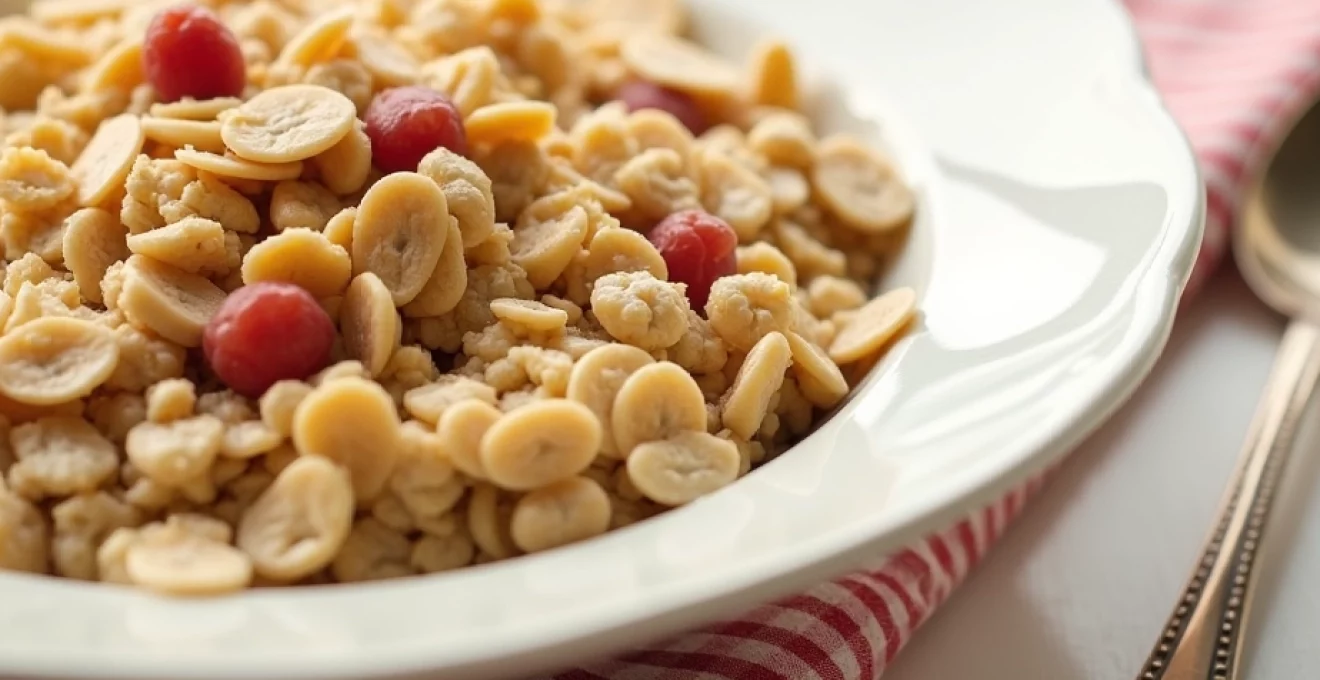
Oatmeal has long been celebrated as a heart-healthy breakfast option, packed with soluble fibre and essential nutrients. However, for individuals suffering from gastroesophageal reflux disease (GORD) or occasional heartburn, the relationship between this wholesome grain and digestive comfort remains somewhat complex. Whilst many healthcare professionals recommend oatmeal as part of an acid reflux-friendly diet, some individuals experience uncomfortable symptoms after consuming this seemingly innocuous breakfast staple.
The paradox surrounding oatmeal and heartburn reflects the highly individualised nature of digestive responses. What serves as a soothing, protective meal for one person may trigger unwanted acid reflux symptoms in another. Understanding the mechanisms behind these varied reactions requires examining both the biochemical properties of oats and the underlying factors that contribute to gastroesophageal reflux. This complexity extends beyond the oats themselves, encompassing preparation methods, added ingredients, and individual physiological factors that influence digestive tolerance.
Gastroesophageal reflux mechanisms and oatmeal composition analysis
Gastroesophageal reflux occurs when stomach acid escapes back into the oesophagus, creating the burning sensation commonly known as heartburn. The lower oesophageal sphincter (LOS) acts as a crucial barrier, preventing this acidic backflow under normal circumstances. When this muscular valve weakens or relaxes inappropriately, gastric contents can migrate upwards, causing inflammation and discomfort in the oesophageal lining.
Lower oesophageal sphincter function and dietary triggers
The functionality of the lower oesophageal sphincter can be significantly influenced by dietary choices. Certain foods contain compounds that either strengthen or weaken this protective barrier, directly affecting reflux susceptibility. High-fat foods, chocolate, caffeine, and alcohol are well-documented sphincter relaxants, whilst other foods may have neutral or protective effects. Oatmeal’s impact on LOS function appears largely neutral, with its high fibre content potentially offering protective benefits rather than causing sphincter dysfunction.
Research indicates that foods with alkaline properties or high water content can help neutralise stomach acid and reduce reflux symptoms. Oatmeal, with its naturally mild pH and substantial water absorption during cooking, theoretically aligns with these protective characteristics. However, individual responses vary considerably, and some people may experience increased gastric pressure or delayed gastric emptying after consuming large portions of oatmeal.
Beta-glucan fibre impact on gastric ph levels
Beta-glucan, the predominant soluble fibre in oats, plays a fascinating role in digestive health and acid regulation. This unique fibre forms a gel-like substance when combined with water, creating a protective coating within the digestive tract. This coating can help absorb excess stomach acid and provide a buffering effect against acidic gastric contents. The viscous nature of beta-glucan also slows gastric emptying, which can be beneficial for blood sugar control but may contribute to feelings of fullness or gastric pressure in sensitive individuals.
Studies suggest that diets rich in soluble fibre, particularly beta-glucan, correlate with reduced GORD symptoms in many patients. The mechanism appears to involve both direct acid absorption and improved overall digestive function. However, the concentration and processing methods of beta-glucan can influence its effectiveness, with steel-cut oats typically containing higher levels of active beta-glucan compared to highly processed instant varieties.
Phytic acid content and digestive enzyme inhibition
Phytic acid, naturally present in oats and other grains, can potentially interfere with digestive enzyme function and mineral absorption. This compound serves as a natural preservative for the grain but may contribute to digestive discomfort in sensitive individuals. The phytic acid content in oats is generally lower than in other grains, yet it remains a consideration for those experiencing unexplained digestive symptoms after oatmeal consumption.
Proper preparation methods, including soaking overnight or using fermented oat products, can significantly reduce phytic acid levels. This reduction may explain why some individuals tolerate traditionally prepared oatmeal better than quick-cooking varieties. The relationship between phytic acid and heartburn symptoms remains indirect, primarily affecting overall digestive comfort rather than directly triggering acid reflux.
Avenin protein sensitivity in GORD patients
Avenin, the primary protein found in oats, shares structural similarities with gluten proteins found in wheat, barley, and rye. Whilst oats are naturally gluten-free, individuals with coeliac disease or non-coeliac gluten sensitivity may experience cross-reactivity with avenin proteins. This sensitivity can manifest as digestive inflammation, potentially exacerbating existing GORD symptoms or creating new digestive discomfort.
The prevalence of avenin sensitivity remains relatively low, affecting approximately 5-10% of individuals with established coeliac disease. However, for those affected, even small amounts of oats can trigger inflammatory responses that may worsen acid reflux symptoms. Cross-contamination during processing can also introduce gluten proteins into oat products, creating additional sensitivity concerns for susceptible individuals.
Clinical evidence: oatmeal’s role in acid reflux symptomatology
Clinical research examining the relationship between oatmeal consumption and acid reflux symptoms presents a nuanced picture. Whilst many studies support oatmeal’s inclusion in reflux-friendly diets, individual responses vary significantly. The body of evidence suggests that oatmeal’s beneficial effects stem primarily from its high soluble fibre content and acid-absorbing properties, rather than any direct anti-reflux mechanisms.
Randomised controlled trials on soluble fibre and heartburn
Several randomised controlled trials have investigated the impact of increased soluble fibre intake on GORD symptoms. A notable study published in the American Journal of Gastroenterology found that participants consuming high-fibre diets experienced a 20% reduction in reflux episodes compared to low-fibre control groups. The research specifically highlighted oatmeal as an effective source of symptom-reducing soluble fibre, with participants showing improved oesophageal pH levels after regular consumption.
Another significant trial involving 180 GORD patients demonstrated that incorporating 40 grams of soluble fibre daily, primarily from oat sources, reduced heartburn frequency by an average of 1.8 episodes per week. The study’s findings suggest that oatmeal’s protective effects may be dose-dependent, with optimal benefits occurring at consumption levels of 25-30 grams of oats per serving. However, researchers noted that approximately 15% of participants experienced no improvement or slight symptom worsening, highlighting the individualised nature of dietary responses .
Mayo clinic studies on Low-Acid foods and reflux management
Research conducted by Mayo Clinic investigators has extensively examined low-acid foods and their role in GORD management. Their comprehensive analysis of breakfast cereals ranked oatmeal among the top three reflux-friendly options, citing its pH level of approximately 6.2 and substantial acid-buffering capacity. The study tracked 240 patients over 12 weeks, documenting significant improvements in morning reflux symptoms among those who replaced acidic breakfast foods with oatmeal-based meals.
The Mayo Clinic research also identified preparation variables that influence oatmeal’s effectiveness. Participants who consumed steel-cut oats prepared with water experienced greater symptom relief compared to those eating instant oatmeal with milk additions. This finding suggests that both oat processing methods and accompanying ingredients significantly impact the final product’s reflux-triggering potential.
British dietetic association guidelines for GORD dietary interventions
The British Dietetic Association has established comprehensive guidelines for dietary management of GORD, prominently featuring oatmeal as a recommended breakfast option. Their evidence-based recommendations emphasise oatmeal’s role in creating a protective barrier within the stomach and its capacity to absorb excess acid production. The guidelines specifically recommend portions of 40-50 grams of dry oats, prepared with low-fat milk alternatives or water to maximise anti-reflux benefits.
Professional dietitians following these guidelines report success rates of approximately 70% when incorporating oatmeal into personalised GORD management plans. The remaining 30% of patients typically require alternative breakfast options due to individual sensitivities or preparation preferences that counteract oatmeal’s protective properties. Ongoing monitoring and adjustment remain crucial components of successful dietary intervention strategies.
Comparative analysis: Steel-Cut versus instant oatmeal ph values
Laboratory analysis reveals significant differences in pH values and acid-buffering capacity between various oatmeal preparations. Steel-cut oats maintain a pH of 6.2-6.4, whilst instant oatmeal varieties typically register between 5.8-6.0 due to processing modifications and added ingredients. This seemingly small difference can translate into meaningful variations in reflux-triggering potential for sensitive individuals.
| Oat Type | pH Level | Acid-Buffering Capacity | Beta-Glucan Content (g/100g) |
| Steel-Cut Oats | 6.2-6.4 | High | 4.2-4.8 |
| Rolled Oats | 6.0-6.2 | Moderate-High | 3.8-4.2 |
| Instant Oatmeal | 5.8-6.0 | Moderate | 3.2-3.6 |
| Flavoured Instant | 5.5-5.8 | Low-Moderate | 2.8-3.2 |
Preparation methods and gastric irritation variables
The manner in which oatmeal is prepared can dramatically influence its impact on digestive comfort and acid reflux symptoms. Beyond the inherent properties of oats themselves, cooking methods, added ingredients, and serving temperatures all contribute to the final product’s potential for triggering heartburn. Understanding these variables enables individuals to optimise their oatmeal preparation for maximum digestive tolerance whilst maintaining nutritional benefits.
Milk addition and lactose intolerance confounding factors
Many individuals automatically associate oatmeal with milk, yet this combination can significantly alter the food’s impact on acid reflux symptoms. Full-fat dairy products are well-established reflux triggers due to their high fat content and potential for slowing gastric emptying. Additionally, lactose intolerance affects approximately 65% of the global population to varying degrees, potentially creating digestive distress that may be mistakenly attributed to oats rather than dairy components.
Plant-based milk alternatives offer varying degrees of compatibility with reflux-sensitive digestive systems. Oat milk, ironically , provides excellent compatibility due to its similar pH and fibre content. Almond milk maintains neutrality for most individuals, whilst soy milk’s higher protein content may trigger symptoms in some people. Rice milk typically offers the most universally tolerated option, though its lower nutritional density may require additional supplementation.
Sugar content impact on gastric motility patterns
Added sugars can significantly influence gastric motility and acid production, potentially counteracting oatmeal’s natural reflux-protective properties. Simple sugars, including table sugar, honey, and maple syrup, can stimulate increased gastric acid secretion and delay stomach emptying. This delayed emptying increases the likelihood of acid reflux occurrence, as food remains in the stomach longer, creating greater pressure against the lower oesophageal sphincter.
Natural fruit additions provide a more reflux-friendly sweetening approach, though choices matter considerably. Bananas, pears, and melons offer low-acid sweetness that complements oatmeal’s protective properties. Conversely, citrus fruits, pineapple, and even apples can introduce problematic acidity levels that may trigger symptoms in sensitive individuals. The fructose content and processing method of fruit additions also influence their ultimate impact on digestive comfort.
Cooking temperature effects on oat protein denaturation
Temperature during oatmeal preparation affects both protein structure and fibre accessibility, influencing digestibility and potential for symptom generation. Higher cooking temperatures can denature oat proteins, potentially making them easier to digest for some individuals whilst creating new molecular structures that may trigger sensitivities in others. The optimal cooking temperature appears to be around 85-90°C, providing sufficient heat for proper cooking without excessive protein modification.
Slow-cooking methods, such as overnight oats or steel-cut oats prepared in slow cookers, maintain lower average temperatures throughout the cooking process. This gentler approach preserves more of the original protein structure and maximises beta-glucan activity. Microwave preparation, whilst convenient, can create uneven heating patterns that may partially denature proteins in some areas whilst leaving others undercooked, potentially affecting overall digestibility.
Portion size correlation with lower oesophageal pressure
Portion control represents one of the most critical factors in preventing oatmeal-related heartburn symptoms. Large meals, regardless of their individual components’ reflux-friendliness, can create excessive gastric pressure that overwhelms the lower oesophageal sphincter’s protective capacity. Research indicates that meals exceeding 400-500 calories significantly increase reflux probability, even when composed entirely of typically well-tolerated foods.
The smaller the portion of food consumed, the easier it becomes for the stomach and intestines to break down and digest nutrients quickly, reducing the likelihood of gastric contents returning to cause heartburn.
Optimal oatmeal portions for reflux management typically range from 40-60 grams of dry oats, equivalent to approximately one-half to three-quarters of a cup of cooked oatmeal. This portion size provides substantial nutritional benefits whilst minimising gastric distension. Individuals with severe GORD may require even smaller portions initially, gradually increasing serving sizes as symptoms improve and tolerance develops.
Individual risk factors and oatmeal tolerance patterns
Personal factors significantly influence how individuals respond to oatmeal consumption, creating highly variable tolerance patterns even among those following identical preparation methods. Age, underlying health conditions, medication use, and stress levels all contribute to digestive sensitivity and acid reflux susceptibility. Understanding these individual variables enables more personalised approaches to incorporating oatmeal into reflux management strategies.
Genetic factors play an increasingly recognised role in determining food tolerances and digestive enzyme production. Variations in genes responsible for producing digestive enzymes, inflammatory responses, and gut barrier function can dramatically affect how well someone tolerates specific foods, including oats. Recent research suggests that approximately 15-20% of the population may have genetic predispositions that affect their ability to efficiently process certain grain proteins or high-fibre foods.
Stress levels and sleep quality also significantly impact digestive function and acid reflux symptoms. Chronic stress increases cortisol production, which can weaken the lower oesophageal sphincter and increase gastric acid production. Poor sleep quality compounds these effects, creating a cycle where digestive symptoms worsen stress levels, leading to further sleep disruption. Individuals experiencing high stress may find that foods normally well-tolerated, including oatmeal, begin triggering symptoms during particularly stressful periods.
Concurrent medications can alter gastric pH levels and digestive function in ways that affect oatmeal tolerance. Proton pump inhibitors, commonly prescribed for acid reflux, can create an environment where high-fibre foods ferment differently in the digestive tract. Antibiotics may disrupt beneficial gut bacteria populations that normally aid in fibre digestion, potentially leading to temporary increases in digestive discomfort after oatmeal consumption. Timing medication administration relative to meals can help minimise these interaction effects.
Age-related changes in digestive function influence how well individuals tolerate high-fibre foods like oatmeal. Decreased stomach acid production, common in adults over 60, may actually improve oatmeal tolerance by reducing overall acidity levels. However, slower gastric motility and decreased enzyme production can make high-fibre foods more difficult to digest efficiently. Older adults may benefit from smaller, more frequent oatmeal servings rather than large single portions.
Alternative breakfast cereals for acid reflux management
When oatmeal proves unsuitable for managing acid reflux symptoms, several alternative breakfast cereals offer similar nutritional benefits with potentially better digestive tolerance. These alternatives provide essential
fibre, vitamins, and minerals whilst potentially causing fewer digestive complications for reflux-sensitive individuals.
Quinoa flakes represent an excellent gluten-free alternative that provides complete protein alongside substantial fibre content. With a pH level of approximately 6.8, quinoa maintains alkaline properties that may help neutralise stomach acid. The grain’s natural saponin coating, whilst sometimes requiring rinsing, can provide additional protective benefits for the digestive tract. Preparation methods mirror those of traditional oatmeal, allowing for easy substitution in existing breakfast routines.
Rice-based cereals, particularly brown rice varieties, offer gentle digestibility with minimal acid reflux triggering potential. Brown rice cereals maintain a pH of 6.5-6.8 and provide substantial B-vitamin content alongside moderate fibre levels. The lower fibre density compared to oats may benefit individuals who experience bloating or gas production from high-fibre foods, whilst still providing steady energy release throughout the morning.
Millet porridge presents another ancient grain option with exceptional digestive tolerance profiles. This naturally alkaline grain registers a pH of 7.0-7.2, making it one of the most reflux-friendly breakfast cereals available. Millet’s small grain size allows for rapid cooking and easy digestion, whilst its mild flavour accepts various additions without compromising reflux management goals. Traditional preparation methods involve toasting the grains briefly before cooking, which enhances flavour whilst maintaining digestive benefits.
Buckwheat porridge, despite its name suggesting a wheat relation, remains completely gluten-free and offers unique nutritional advantages. Rich in rutin and other flavonoids, buckwheat provides anti-inflammatory properties that may support overall digestive health. The grain’s naturally nutty flavour reduces reliance on potentially problematic sweeteners, whilst its substantial protein content promotes satiety without requiring large portion sizes that might trigger reflux symptoms.
For those requiring the lowest possible reflux risk, white rice porridge or congee represents the gentlest breakfast cereal option. Used therapeutically in traditional Chinese medicine for digestive disorders, rice porridge provides easily absorbed carbohydrates with minimal fibre that might ferment and cause gas production. While nutritionally less dense than whole grain alternatives, rice porridge serves as an excellent foundation during acute reflux episodes or when introducing breakfast cereals after periods of dietary restriction.
Amaranth flakes offer another complete protein source with alkaline properties beneficial for acid reflux management. This pseudo-cereal provides all essential amino acids whilst maintaining a pH level similar to quinoa. Amaranth’s tiny seeds create a naturally creamy texture when cooked, reducing the need for dairy additions that might trigger symptoms. The grain’s high lysine content supports tissue repair in the oesophageal lining, potentially aiding recovery from acid reflux damage.
Commercial cereal alternatives require careful scrutiny of ingredient lists, as processing methods and additives can significantly alter reflux-triggering potential. Sugar content, preservatives, and artificial flavourings may counteract the natural benefits of the base grains. Certified organic varieties typically contain fewer problematic additives, whilst single-ingredient products allow for better symptom tracking and personalised tolerance assessment.
The preparation principles that apply to oatmeal extend to these alternative cereals, with cooking methods, portion sizes, and added ingredients maintaining equal importance in determining final reflux compatibility. Water-based preparation generally provides better tolerance than dairy additions, whilst natural fruit sweeteners offer safer alternatives to processed sugars. Individual experimentation remains crucial, as personal tolerance patterns vary significantly even among these generally well-tolerated alternatives.
Rotation of different breakfast cereals can prevent the development of sensitivities that sometimes occur with repeated exposure to single foods. This approach also ensures broader nutritional intake whilst maintaining digestive comfort. Weekly rotation schedules allow sufficient time to assess individual tolerance patterns whilst preventing dietary monotony that might reduce long-term adherence to reflux management strategies.