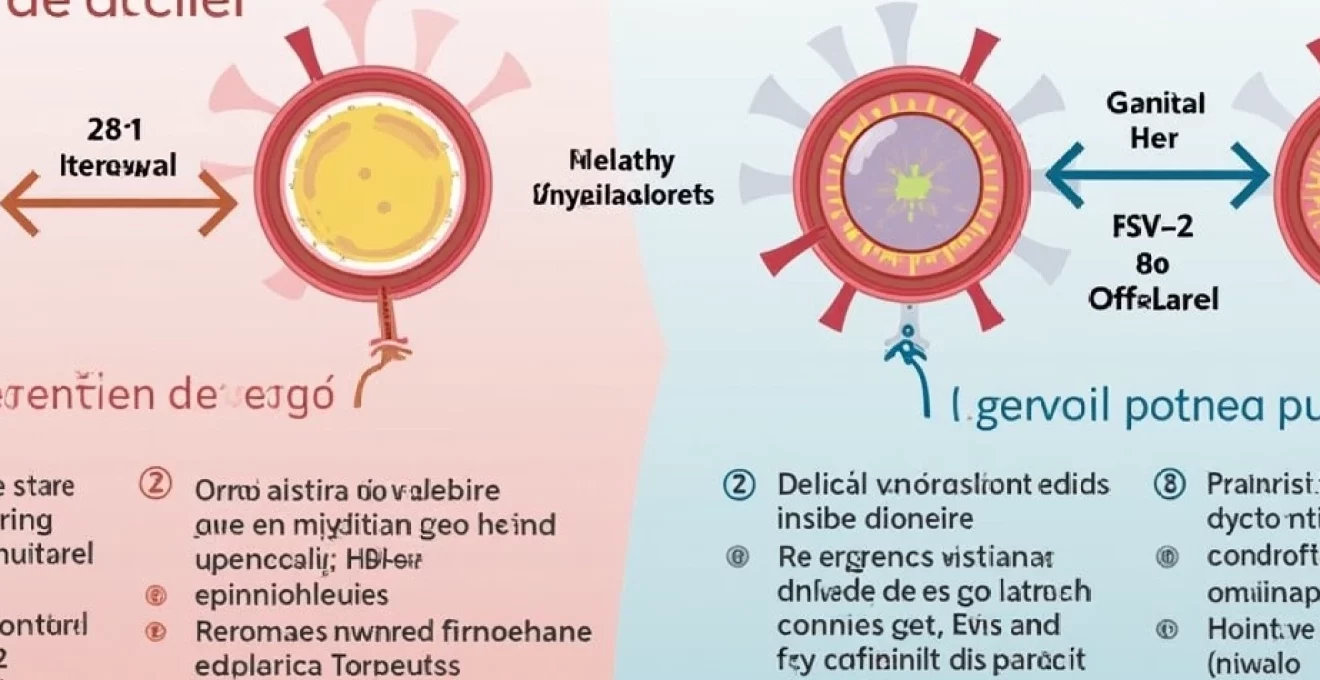
The question of whether Abreva, containing the active ingredient docosanol, demonstrates efficacy against herpes simplex virus type 2 (HSV-2) represents a significant clinical inquiry for both healthcare providers and patients managing genital herpes outbreaks. Whilst Abreva receives FDA approval exclusively for treating HSV-1-related cold sores on the lips, emerging evidence suggests potential therapeutic benefits for HSV-2 infections. Understanding the mechanisms of action, clinical evidence, and practical applications of docosanol in HSV-2 management becomes increasingly relevant as patients seek accessible over-the-counter treatment options for genital herpes episodes.
Abreva’s docosanol mechanism against herpes simplex virus type 2
Docosanol operates through a unique antiviral mechanism that distinguishes it from traditional nucleoside analogues like aciclovir and valaciclovir. The 22-carbon saturated fatty alcohol works by preventing viral fusion with cellular membranes, effectively blocking HSV entry into healthy skin cells. This mechanism proves particularly relevant for HSV-2 infections, as the virus utilises similar cellular entry pathways regardless of its specific strain classification.
Docosanol 10% topical formulation and HSV-2 viral envelope penetration
The 10% docosanol concentration in Abreva creates a protective barrier on the skin surface, interfering with the lipid envelope structure of HSV-2 particles. Research demonstrates that docosanol molecules integrate into cellular membranes, altering their fluidity and preventing viral glycoproteins from facilitating membrane fusion. This protective mechanism remains active throughout the application period, providing sustained antiviral activity against HSV-2 particles attempting to establish infection in genital tissues.
Clinical pharmacology studies indicate that docosanol’s lipophilic properties enable effective penetration into the stratum corneum, the outermost layer of skin where HSV-2 typically initiates infection. The formulation’s cream base enhances bioavailability in mucocutaneous areas, making it theoretically suitable for genital application despite its official indication being limited to oral herpes lesions.
Comparative efficacy: HSV-1 versus HSV-2 viral strain response
Laboratory studies reveal that docosanol exhibits comparable antiviral activity against both HSV-1 and HSV-2 strains in vitro. The viral envelope composition remains largely consistent between the two herpes simplex virus types, suggesting that docosanol’s mechanism of action should prove equally effective against HSV-2 infections. However, clinical efficacy may vary due to anatomical differences between oral and genital tissues , including varying absorption rates and local immune responses.
The viral replication cycles of HSV-1 and HSV-2 follow nearly identical pathways, with both viruses requiring successful membrane fusion to establish cellular infection. Docosanol’s interference with this critical initial step theoretically provides equivalent protection against both viral strains, supporting its potential utility in HSV-2 management.
Clinical pharmacokinetics of docosanol in genital tissue
Docosanol demonstrates limited systemic absorption following topical application, with the majority of the active ingredient remaining localised at the application site. This pharmacokinetic profile proves advantageous for genital herpes treatment, as it minimises systemic exposure whilst maintaining therapeutic concentrations in affected tissues. The drug’s half-life in skin tissue extends beyond 24 hours, providing prolonged antiviral activity with regular application.
Genital mucosa presents unique absorption characteristics compared to lip tissue, with higher vascularity and different barrier properties. These anatomical differences may influence docosanol penetration and residence time, potentially affecting clinical outcomes in HSV-2 treatment scenarios.
Viral replication inhibition pathways in HSV-2 infected cells
Docosanol’s primary antiviral effect occurs during the initial stages of HSV-2 infection, preventing viral attachment and entry into target cells. Unlike nucleoside analogues that interfere with viral DNA synthesis after cellular infection has occurred, docosanol acts as a fusion inhibitor, blocking the virus before it can establish intracellular presence. This early intervention mechanism proves particularly valuable during prodromal stages when viral shedding begins but visible lesions have not yet developed.
The compound’s inability to prevent viral reactivation from dormant ganglia means it cannot eliminate established HSV-2 infections, similar to all currently available antiviral treatments. However, its capacity to reduce viral transmission and lesion severity during active outbreaks provides meaningful clinical benefits for HSV-2 patients seeking symptom management.
Clinical trial evidence for abreva in HSV-2 genital herpes management
Despite widespread anecdotal reports of Abreva’s effectiveness in treating genital herpes, formal clinical trial data specifically examining docosanol’s efficacy against HSV-2 infections remains limited. The majority of rigorous studies focus on HSV-1 oral herpes applications, creating an evidence gap that complicates clinical decision-making for healthcare providers considering off-label recommendations.
Fda-approved indications versus Off-Label HSV-2 applications
The Food and Drug Administration approved Abreva exclusively for treating cold sores caused by herpes simplex virus on the lips , specifically targeting HSV-1 infections. This narrow indication stems from clinical trial protocols that focused solely on oral herpes lesions, rather than any inherent limitation of docosanol’s antiviral properties against HSV-2 strains.
Off-label use of Abreva for genital herpes represents a common clinical practice, with many dermatologists and infectious disease specialists acknowledging its potential benefits based on mechanistic rationale and patient-reported outcomes. However, prescribers must carefully balance potential benefits against the lack of formal safety and efficacy data for genital application.
Randomised controlled trial data on genital herpes outbreaks
Limited randomised controlled trials have examined docosanol’s effectiveness specifically for genital HSV-2 outbreaks. Existing studies primarily focus on oral herpes applications, demonstrating modest but statistically significant reductions in healing time and symptom severity. These findings suggest potential benefits for HSV-2 management, though direct extrapolation requires caution due to anatomical and physiological differences between application sites.
Patient registry data and retrospective analyses indicate positive treatment responses when Abreva is applied to genital herpes lesions, with many individuals reporting reduced outbreak duration and symptom severity. However, these observational studies lack the rigorous controls necessary to establish definitive clinical efficacy compared to established antiviral treatments.
Comparative studies: abreva versus aciclovir for HSV-2 episodes
Head-to-head comparisons between docosanol and aciclovir for HSV-2 treatment remain scarce in published literature. Aciclovir cream, specifically approved for genital herpes treatment, provides a more established therapeutic option with extensive clinical validation. However, aciclovir requires prescription access, whilst Abreva offers over-the-counter availability that appeals to patients seeking immediate treatment initiation.
Theoretical considerations suggest that combination therapy utilising both docosanol and aciclovir might provide synergistic benefits, with docosanol preventing new viral infections whilst aciclovir addresses already infected cells. This approach requires further clinical investigation to establish safety and efficacy profiles.
Recurrent genital herpes treatment duration and efficacy metrics
For recurrent HSV-2 episodes, optimal treatment duration with docosanol typically ranges from 5-7 days, beginning at the first sign of prodromal symptoms. Clinical experience suggests that early intervention during the tingling or burning phase provides superior outcomes compared to treatment initiated after vesicle formation.
Efficacy metrics for HSV-2 treatment include time to lesion healing, pain reduction, and decreased viral shedding duration. Whilst formal studies measuring these parameters with docosanol in genital herpes remain limited, available data suggests meaningful improvements in subjective symptom scores and patient quality of life measures.
Dermatological application protocols for HSV-2 lesions
Proper application technique significantly influences treatment outcomes when using Abreva for HSV-2 management. The sensitive nature of genital tissues requires careful consideration of application frequency, quantity, and technique to maximise therapeutic benefits whilst minimising potential irritation or adverse reactions.
Topical administration techniques for genital herpes lesions
Optimal application involves thorough hand washing before and after treatment, followed by gentle cleansing of the affected area with mild soap and water. A thin layer of Abreva should be applied to completely cover the lesion and surrounding area, extending approximately 1-2 millimetres beyond visible affected skin. The cream should be gently rubbed in until fully absorbed, avoiding excessive manipulation that might cause additional tissue trauma.
Application frequency of every 3-4 hours during waking hours provides optimal therapeutic coverage , maintaining consistent docosanol levels at the treatment site. Patients should avoid removing the medication through washing or wiping for at least 30 minutes after application to ensure adequate absorption into the target tissues.
Prodromal stage application timing and viral load reduction
Initiating treatment during the prodromal phase, characterised by tingling, burning, or itching sensations preceding visible lesion development, offers the greatest potential for clinical benefit. Early intervention with docosanol can potentially prevent full outbreak development or significantly reduce lesion severity and duration.
Viral load reduction during the prodromal stage proves particularly important for preventing transmission to sexual partners. Docosanol’s membrane stabilising effects may reduce viral shedding even in the absence of visible lesions, providing additional public health benefits beyond individual symptom management.
Mucocutaneous barrier considerations in genital application
Genital tissues present unique challenges for topical medication application due to their increased sensitivity and varying barrier properties. The thin mucous membranes of genital areas may absorb docosanol more readily than keratinised lip tissue, potentially altering both efficacy and safety profiles.
Moisture levels in genital areas can affect medication adherence and absorption, requiring careful attention to application timing and environmental factors. Patients should apply Abreva to clean, dry skin when possible and avoid activities that might remove the medication immediately after application.
Contraindications and safety profile for genital use
Docosanol demonstrates an excellent safety profile with minimal reported adverse reactions in oral applications. However, genital use requires consideration of potential increased absorption and sensitivity reactions in mucocutaneous tissues. Patients with known sensitivities to docosanol or cream base components should avoid use without medical supervision.
Healthcare providers should counsel patients on recognising signs of allergic reactions, including increased redness, swelling, or burning sensations that persist beyond normal healing processes.
Pregnancy and breastfeeding considerations become particularly relevant for genital herpes treatment, as HSV-2 infections during pregnancy pose significant risks to developing foetuses. Whilst docosanol’s limited systemic absorption suggests minimal risk, pregnant patients should consult healthcare providers before initiating treatment with any herpes medications.
Alternative antiviral therapies for HSV-2 outbreak management
Understanding the complete therapeutic landscape for HSV-2 management enables informed treatment decisions that consider patient preferences, severity of infections, and clinical circumstances. Whilst Abreva offers accessible over-the-counter treatment, prescription antiviral medications provide established efficacy with extensive clinical validation.
Oral antiviral medications including aciclovir, valaciclovir, and famciclovir represent the gold standard for HSV-2 treatment, offering systemic therapy that addresses viral replication throughout affected nerve pathways. These medications prove particularly valuable for severe outbreaks, immunocompromised patients, or individuals experiencing frequent recurrent episodes requiring suppressive therapy.
Topical prescription options include aciclovir cream and penciclovir cream, both specifically indicated for genital herpes treatment. These medications offer localised therapy similar to docosanol but with established clinical efficacy data supporting their use in HSV-2 infections. The choice between topical and oral therapies often depends on outbreak severity, patient preference, and contraindications to systemic medications .
Complementary approaches including lysine supplementation, stress management, and immune system support may provide additional benefits when combined with antiviral therapy. Some patients report positive outcomes with natural remedies such as propolis, echinacea, or zinc supplementation, though scientific evidence supporting these interventions remains limited.
Prevention strategies including condom use, partner communication, and recognition of prodromal symptoms play crucial roles in comprehensive HSV-2 management. Suppressive antiviral therapy may be appropriate for patients with frequent outbreaks or those seeking to reduce transmission risks to uninfected partners.
Healthcare provider recommendations for HSV-2 topical treatments
Healthcare providers increasingly recognise the potential role of docosanol in HSV-2 management, particularly for patients seeking accessible treatment options or those who experience adverse reactions to prescription antivirals. Clinical decision-making must balance the limited formal evidence base against mechanistic rationale and patient-reported outcomes.
Many infectious disease specialists and dermatologists consider docosanol a reasonable first-line option for mild HSV-2 outbreaks, particularly when treatment can be initiated during prodromal stages. The medication’s excellent safety profile and over-the-counter availability make it attractive for patients preferring to avoid prescription medications or those without immediate healthcare access.
Clinical guidelines increasingly emphasise patient-centred care that incorporates individual preferences and circumstances into treatment recommendations, supporting the consideration of docosanol for appropriate HSV-2 cases.
Provider counselling should address realistic expectations regarding docosanol’s efficacy compared to prescription alternatives, emphasising that whilst meaningful symptom improvement may occur, the medication cannot prevent future outbreaks or eliminate viral infections. Patients should understand when to seek additional medical evaluation, particularly for severe outbreaks or signs of complications.
Integration of docosanol into comprehensive HSV-2 management plans may include combination with oral antivirals for severe outbreaks, use as maintenance therapy between prescription treatments, or as a bridge therapy whilst awaiting medical appointments. Healthcare providers should monitor treatment responses and adjust recommendations based on individual patient outcomes and preferences.
Patient-reported outcomes and Real-World HSV-2 treatment experiences
Patient experiences with Abreva for HSV-2 treatment vary considerably, with many individuals reporting positive outcomes that support continued off-label use despite limited formal clinical evidence. Online forums and patient communities frequently share success stories involving reduced outbreak duration, decreased symptom severity, and improved quality of life with docosanol treatment.
Real-world effectiveness studies suggest that patient satisfaction with Abreva for genital herpes correlates strongly with early treatment initiation and consistent application schedules. Individuals who begin treatment during prodromal stages report significantly better outcomes compared to those who delay until full lesion development occurs.
Cost-effectiveness considerations favour docosanol for many patients, as over-the-counter availability eliminates prescription costs and medical visit requirements for straightforward outbreak management. This accessibility proves particularly valuable for individuals without comprehensive health insurance coverage or those living in areas with limited healthcare access.
Patient education regarding proper application techniques and realistic treatment expectations significantly influences satisfaction and clinical outcomes with docosanol therapy. Healthcare providers play crucial roles in providing this education whilst supporting informed decision-making about HSV-2 treatment options.
Long-term user experiences indicate that whilst docosanol may not completely prevent HSV-2 outbreaks, consistent use during episodes can lead to progressively milder symptoms and shorter healing times. These cumulative benefits contribute to improved psychological well-being and reduced impact of HSV-2 infections on daily activities and relationships, supporting the medication’s role in comprehensive herpes management strategies for appropriately selected patients.