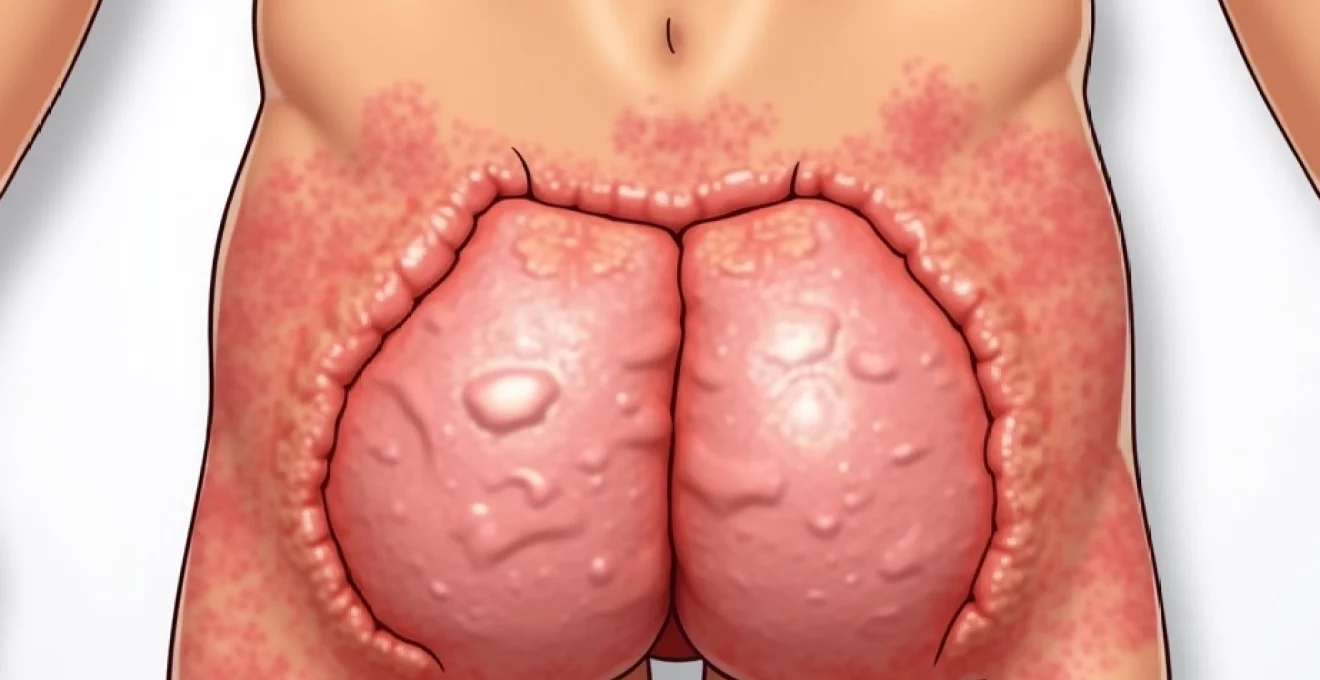
Scrotal xerosis, or dry skin affecting the testicles, represents a common yet often overlooked condition that can significantly impact a man’s quality of life. This dermatological concern affects millions of men worldwide, manifesting through symptoms such as persistent itching, flaking, rough texture, and uncomfortable tightness in the genital region. While many assume such issues are merely cosmetic inconveniences, the underlying causes of testicular skin dryness often indicate broader health considerations that warrant professional attention.
The scrotal skin possesses unique characteristics that make it particularly susceptible to desiccation. Unlike other areas of the body, this delicate tissue maintains a thinner epidermal layer and increased sensitivity to environmental factors, hormonal fluctuations, and external irritants. Understanding the multifaceted nature of scrotal skin health enables men to identify potential triggers and implement appropriate management strategies before complications develop.
Dermatological conditions causing scrotal xerosis
Multiple dermatological conditions can manifest as dry, irritated skin in the scrotal region. These conditions often require specific diagnostic approaches and targeted treatment protocols to achieve effective resolution. Proper identification of the underlying dermatological cause remains crucial for implementing appropriate therapeutic interventions and preventing symptom recurrence.
Atopic dermatitis and eczematous reactions in genital region
Atopic dermatitis affecting the scrotal area represents one of the most prevalent causes of persistent skin dryness in this sensitive region. This chronic inflammatory condition typically develops due to genetic predisposition combined with environmental triggers, creating a complex interplay between immune dysfunction and skin barrier compromise. Men with a family history of allergies, asthma, or eczema demonstrate increased susceptibility to developing scrotal atopic dermatitis.
The condition manifests through characteristic symptoms including intense itching, particularly during nighttime hours, accompanied by visible skin changes such as lichenification, scaling, and discoloration. The itch-scratch cycle commonly associated with atopic dermatitis can lead to secondary complications, including bacterial infections and permanent skin thickening. Environmental factors such as stress, temperature fluctuations, and exposure to allergens often exacerbate symptoms, making comprehensive trigger identification essential for effective management.
Contact dermatitis from fabric softeners and synthetic textiles
Contact dermatitis represents another significant contributor to scrotal skin dryness, typically resulting from direct exposure to irritating substances or allergens. Common culprits include fabric softeners, synthetic textile materials, and chemical residues from laundry detergents that accumulate in underwear fabrics. The prolonged contact between chemically treated materials and sensitive scrotal skin creates ideal conditions for irritant or allergic contact dermatitis development.
Synthetic underwear materials, particularly those containing polyester, nylon, or other petroleum-derived fibres, can trap moisture while simultaneously creating friction against delicate genital skin. This combination often leads to irritation, inflammation, and subsequent skin barrier disruption. The cumulative effect of daily exposure to these materials can result in chronic dryness, scaling, and hypersensitivity reactions that persist until the offending substances are eliminated.
Seborrhoeic dermatitis manifestations on male genitalia
Seborrhoeic dermatitis, while commonly associated with scalp conditions, can also affect sebum-rich areas of the genitals, including the scrotal region. This inflammatory skin condition results from an overgrowth of Malassezia yeast species combined with individual susceptibility factors. The condition typically presents as greasy, yellowish scales accompanied by erythema and mild to moderate itching.
Unlike other forms of dermatitis, seborrhoeic dermatitis often demonstrates a characteristic pattern of distribution, affecting areas with high sebaceous gland density. The condition tends to fluctuate with hormonal changes, stress levels, and seasonal variations, often worsening during periods of reduced immunity or increased psychological pressure. Recognition of these patterns helps distinguish seborrhoeic dermatitis from other dermatological conditions affecting the scrotal area.
Psoriasis plaques and scaling in scrotal area
Psoriasis affecting the genital region presents unique diagnostic and therapeutic challenges due to the modified appearance of typical psoriatic lesions in this anatomical location. Scrotal psoriasis often appears as smooth, red patches rather than the characteristic silvery scales seen elsewhere on the body. This atypical presentation frequently leads to misdiagnosis or delayed recognition of the underlying condition.
The chronic inflammatory nature of psoriasis results in accelerated skin cell turnover, leading to persistent dryness, flaking, and discomfort. Inverse psoriasis, a variant that specifically affects skin fold areas, commonly involves the groin and scrotal regions. The presence of psoriasis in other body areas can provide valuable diagnostic clues when evaluating scrotal skin changes, though isolated genital psoriasis does occur in some patients.
Fungal infections including tinea cruris complications
Fungal infections, particularly tinea cruris (jock itch), represent a significant cause of scrotal skin dryness and irritation. These infections thrive in warm, moist environments and can establish persistent colonisation in the groin area. While tinea cruris typically begins in the inguinal folds, the infection can extend to involve scrotal skin, causing characteristic symptoms of scaling, itching, and skin barrier disruption.
Candida infections also contribute to scrotal skin problems, particularly in men with diabetes, immunocompromising conditions, or those taking antibiotic medications. The fungal overgrowth disrupts normal skin flora balance and compromises natural protective mechanisms. Chronic fungal infections can lead to permanent skin changes, including hyperpigmentation, scarring, and persistent dryness that continues even after successful antifungal treatment.
Environmental and lifestyle factors contributing to testicular skin desiccation
Environmental exposures and daily lifestyle habits significantly influence scrotal skin health and moisture retention. Modern living conditions, personal hygiene practices, and clothing choices create numerous opportunities for skin barrier disruption and subsequent dryness. Understanding these modifiable risk factors empowers men to implement preventive strategies and reduce their susceptibility to scrotal xerosis.
Over-washing with harsh soaps and antibacterial cleansers
Excessive cleansing represents one of the most common yet preventable causes of scrotal skin dryness. Many men, concerned about hygiene and odour control, engage in aggressive washing practices using harsh soaps, antibacterial cleansers, and abrasive scrubbing materials. These practices systematically strip away the skin’s natural protective lipid barrier, leaving the delicate scrotal tissue vulnerable to dehydration and irritation.
Antibacterial soaps and cleansers often contain potent surfactants and antimicrobial agents that disrupt the beneficial microbial ecosystem of the skin. This disruption can lead to dysbiosis, where harmful organisms proliferate while protective bacteria diminish. The resulting imbalance contributes to inflammation, reduced skin barrier function, and increased susceptibility to infections and irritation. Traditional bar soaps with high pH levels can particularly damage the slightly acidic environment that healthy skin maintains.
Hot water exposure and extended shower duration effects
Prolonged exposure to hot water during bathing or showering creates significant stress on scrotal skin integrity. High water temperatures cause vasodilation and increased transepidermal water loss, while extended exposure duration amplifies these dehydrating effects. The combination of heat and prolonged water contact dissolves natural skin lipids and disrupts the stratum corneum’s barrier function.
Steam from hot showers further compounds the problem by creating a humid environment that initially appears moisturising but ultimately leads to increased water evaporation from skin surfaces once the humid conditions end. This process, known as the “wet skin effect,” can leave scrotal skin significantly drier than before bathing. Men who regularly engage in hot tub use, sauna sessions, or extended hot showers often experience chronic scrotal dryness as a result of these practices.
Climate-induced dehydration in low humidity environments
Environmental humidity levels directly impact skin moisture retention throughout the body, with scrotal skin being particularly vulnerable to climate-induced dehydration. Low humidity environments, whether naturally occurring in arid climates or artificially created through heating and air conditioning systems, accelerate transepidermal water loss and compromise skin barrier function.
Winter months present particular challenges, as indoor heating systems dramatically reduce ambient humidity while outdoor cold temperatures further stress skin physiology. The combination of cold air exposure and heated indoor environments creates a challenging scenario for maintaining optimal scrotal skin hydration. Men living in desert climates or working in air-conditioned environments often report persistent scrotal dryness that correlates with seasonal or occupational exposure patterns.
Synthetic underwear materials and breathability issues
The choice of underwear materials significantly influences scrotal skin health through effects on moisture management, breathability, and chemical exposure. Synthetic fabrics such as polyester, nylon, and spandex blends often trap moisture against skin surfaces while simultaneously creating friction during movement. This combination promotes bacterial and fungal growth while mechanically irritating delicate scrotal tissue.
Poor breathability in synthetic materials creates a microenvironment of increased temperature and humidity, which paradoxically can lead to skin dryness once the excess moisture evaporates. The occlusive nature of many synthetic fabrics prevents normal air circulation and natural moisture regulation. Additionally, synthetic materials often retain chemical residues from manufacturing processes, dyes, and finishing treatments that can act as contact sensitisers and contribute to ongoing skin irritation and dryness.
Hormonal imbalances and Age-Related skin changes
Hormonal fluctuations throughout a man’s lifetime significantly impact scrotal skin health, with particular changes occurring during puberty, middle age, and older adult years. Testosterone levels, thyroid function, and other endocrine factors directly influence skin thickness, sebum production, and barrier function integrity. Age-related hormonal changes often manifest as increased skin dryness, reduced elasticity, and diminished healing capacity in the scrotal region.
Androgen deficiency, whether age-related or pathological, commonly results in thinning of scrotal skin and reduced sebaceous gland activity. This hormonal shift creates conditions similar to those seen in postmenopausal women, where declining hormone levels lead to widespread skin dryness and fragility. Men undergoing hormone replacement therapy or those with endocrine disorders frequently experience scrotal skin changes that reflect their altered hormonal status.
The natural aging process introduces additional complexities to scrotal skin health maintenance. Collagen synthesis decreases with advancing age, leading to reduced skin thickness and compromised barrier function. The cumulative effects of sun exposure, environmental damage, and cellular aging become increasingly apparent in the genital region, despite its typically protected location. Older men often notice increased skin sensitivity, slower healing responses, and greater susceptibility to irritation from previously well-tolerated substances.
Metabolic conditions such as diabetes mellitus create additional challenges for scrotal skin health through multiple mechanisms. Elevated blood glucose levels can lead to chronic dehydration, compromised immune function, and increased susceptibility to fungal infections. The peripheral neuropathy associated with diabetes may also reduce sensation in the genital region, allowing minor irritations to progress to more significant problems before recognition and treatment occur.
Nutritional deficiencies affecting scrotal skin health
Adequate nutrition plays a fundamental role in maintaining healthy skin barrier function and optimal moisture retention throughout the body, including the sensitive scrotal region. Specific nutritional deficiencies can manifest as skin dryness, poor healing, and increased susceptibility to irritation and infection. The interconnected nature of nutrition and dermatological health becomes particularly evident when examining the relationship between dietary intake and scrotal skin conditions.
Essential fatty acid deficiency and omega-3 insufficiency
Essential fatty acids, particularly omega-3 fatty acids, serve as crucial building blocks for healthy skin cell membranes and natural moisturising factors. Deficiencies in these important nutrients can result in compromised skin barrier function, increased inflammation, and persistent dryness throughout the body. The scrotal region, with its high metabolic activity and constant exposure to friction and moisture, demonstrates particular vulnerability to essential fatty acid deficiency.
Modern dietary patterns, characterised by processed foods and reduced consumption of fatty fish, nuts, and seeds, often provide insufficient omega-3 fatty acids for optimal skin health. This nutritional gap becomes more pronounced in men following restrictive diets or those with absorption disorders that impair fat-soluble vitamin and fatty acid uptake. Supplementation with high-quality omega-3 sources often results in measurable improvements in skin hydration and barrier function within several weeks of initiation.
Zinc deficiency impact on skin barrier function
Zinc serves as an essential cofactor for numerous enzymatic processes involved in skin repair, immune function, and barrier maintenance. Deficiency of this crucial mineral can manifest as delayed wound healing, increased susceptibility to infections, and chronic skin dryness. The scrotal region, with its active metabolic processes and frequent cellular turnover, requires adequate zinc availability for optimal function.
Dietary factors such as high phytate consumption from unprocessed grains and legumes can impair zinc absorption, while certain medications including proton pump inhibitors and diuretics can increase zinc excretion. Men following vegetarian or vegan diets demonstrate particular risk for zinc deficiency due to reduced bioavailability from plant-based sources. Clinical assessment of zinc status through serum or hair analysis can guide appropriate supplementation strategies for improving scrotal skin health.
Vitamin E and antioxidant depletion effects
Vitamin E and other antioxidant nutrients protect skin cells from oxidative damage while supporting barrier function and moisture retention. Chronic antioxidant depletion, whether from inadequate dietary intake or increased oxidative stress, can accelerate skin aging and compromise natural protective mechanisms. The scrotal region’s exposure to friction, temperature variations, and potential chemical irritants creates ongoing oxidative stress that depletes local antioxidant reserves.
Environmental factors such as pollution exposure, cigarette smoking, and excessive sun exposure increase antioxidant requirements while dietary processing and storage reduce the antioxidant content of many foods. This combination creates a scenario where antioxidant intake often fails to meet physiological demands, particularly in the context of an inflammatory skin condition. Comprehensive antioxidant support through dietary improvement and targeted supplementation can provide measurable benefits for scrotal skin health and overall dermatological wellness.
Medical treatments and pharmaceutical side effects
Various medical treatments and pharmaceutical interventions can inadvertently contribute to scrotal skin dryness through direct irritation, systemic effects, or disruption of normal physiological processes. Understanding these medication-related causes enables healthcare providers to anticipate potential side effects and implement appropriate preventive or management strategies during treatment protocols.
Topical medications applied to the genital region often contain alcohol-based vehicles, preservatives, or active ingredients that can cause contact sensitisation and subsequent skin dryness. Antifungal creams, corticosteroid preparations, and antiseptic solutions frequently used for genital complaints can paradoxically worsen skin barrier function when used inappropriately or for extended periods. The occlusive nature of many topical preparations can also alter the natural moisture balance of scrotal skin.
Systemic medications affecting hormone levels, immune function, or cellular metabolism can manifest dermatological side effects including skin dryness and irritation. Chemotherapy agents, immunosuppressive drugs, and certain psychiatric medications commonly cause skin changes that may specifically affect the sensitive genital region. Diuretic medications can contribute to systemic dehydration that manifests as skin dryness, while antihistamines and anticholinergic drugs may reduce natural moisture production.
Radiation therapy directed toward pelvic or abdominal regions can cause both acute and chronic skin changes in the genital area. The ionising radiation disrupts cellular repair mechanisms and compromises barrier function, often resulting in persistent dryness and sensitivity that can continue for months or years following treatment completion. Patients undergoing such treatments require specialised skincare protocols and ongoing dermatological monitoring to manage radiation-induced skin changes effectively.
Recent studies indicate that approximately 15-20% of men experience medication-related skin dryness at some point during their treatment courses, with genital regions being disproportionately affected due to their increased sensitivity and altered barrier function.
Professional diagnostic approaches and differential diagnosis methods
Accurate diagnosis of scrotal skin dryness requires a systematic approach that differentiates between various dermatological conditions, systemic diseases, and external factors contributing to skin barrier dysfunction. Healthcare professionals must employ multiple diagnostic modalities to establish definitive diagnoses and develop appropriate treatment protocols. The overlapping clinical presentations of many conditions affecting scrotal skin necessitate careful evaluation of patient history, physical examination findings, and targeted diagnostic testing.
The initial diagnostic assessment begins with a comprehensive medical history that explores symptom onset, duration, and aggravating factors. Patients should be questioned about recent changes in personal care products, laundry detergents, clothing materials, and occupational exposures. Family history of atopic conditions, autoimmune diseases, and dermatological disorders provides valuable insight into potential genetic predispositions that may influence diagnosis and treatment selection.
Physical examination of the affected area requires adequate lighting and magnification to identify subtle morphological changes that distinguish between different conditions. Dermatoscopy can reveal characteristic features such as follicular plugging in keratosis pilaris, fungal elements in tinea infections, or the distinctive scaling patterns associated with psoriasis. The distribution and symmetry of lesions often provide crucial diagnostic clues, with unilateral involvement suggesting contact dermatitis while bilateral symmetrical changes may indicate systemic or constitutional conditions.
Laboratory investigations play an essential role in confirming clinical suspicions and ruling out underlying systemic conditions. Potassium hydroxide (KOH) preparation allows for immediate identification of fungal elements in cases where tinea cruris is suspected. Bacterial cultures may be necessary when secondary infection complicates primary dermatological conditions, particularly in cases with purulent discharge or extensive erosions.
Patch testing represents the gold standard for diagnosing allergic contact dermatitis affecting the scrotal region. This diagnostic procedure involves applying standardised allergens to unaffected skin and monitoring for delayed hypersensitivity reactions over 48-96 hours. Common allergens tested include fragrances, preservatives, rubber chemicals, and metals that may be present in personal care products or clothing materials. The results guide avoidance strategies and help prevent future episodes of contact dermatitis.
Skin biopsy may be required in cases where clinical presentation remains ambiguous or when malignancy is suspected. Histopathological examination can differentiate between inflammatory conditions, infectious processes, and neoplastic changes that may present with similar clinical features. Special stains for fungi and bacteria enhance diagnostic accuracy when infectious causes are suspected but not readily apparent on routine examination.
Serum testing for specific conditions may be warranted based on clinical presentation and associated symptoms. Thyroid function tests, diabetes screening, and autoimmune markers can identify systemic conditions contributing to skin barrier dysfunction. Vitamin and mineral level assessments help identify nutritional deficiencies that may be contributing to chronic skin dryness and poor healing responses.
Differential diagnosis must consider the broad spectrum of conditions that can affect scrotal skin health. Eczematous conditions including atopic dermatitis, contact dermatitis, and seborrhoeic dermatitis share similar clinical features but require different therapeutic approaches. Infectious conditions such as bacterial folliculitis, candidiasis, and dermatophyte infections may present with scaling and dryness alongside inflammatory changes.
Psoriasis affecting the genital region often lacks the characteristic silvery scale seen elsewhere on the body, appearing instead as smooth, well-demarcated red patches that may be mistaken for other inflammatory conditions. The presence of psoriatic lesions elsewhere on the body, nail changes, or family history of psoriasis supports this diagnosis even when genital lesions appear atypical.
Malignant conditions including squamous cell carcinoma and extramammary Paget’s disease can occasionally present with chronic scaling and dryness that fails to respond to conventional treatments. These conditions require prompt recognition and appropriate referral for specialised management. The persistence of symptoms despite appropriate treatment should raise suspicion for underlying malignancy.
Clinical studies demonstrate that accurate diagnosis of scrotal dermatitis requires an average of 2-3 healthcare visits, with 40% of cases initially misdiagnosed due to the modified appearance of common skin conditions in the genital region.
Advanced diagnostic techniques including dermoscopy, reflectance confocal microscopy, and optical coherence tomography are emerging as valuable tools for non-invasive assessment of scrotal skin conditions. These technologies allow for real-time visualisation of skin structure and can guide biopsy decisions while minimising patient discomfort. The integration of artificial intelligence with dermatological imaging is showing promise for improving diagnostic accuracy and reducing the time to definitive diagnosis.
Multidisciplinary approaches involving dermatologists, urologists, and primary care physicians ensure comprehensive evaluation of patients presenting with scrotal skin complaints. This collaborative approach is particularly valuable when systemic conditions contribute to skin symptoms or when psychological factors influence symptom severity and treatment adherence. The complexity of scrotal dermatitis often requires ongoing monitoring and treatment adjustment to achieve optimal outcomes.
Patient education regarding proper diagnostic procedures helps ensure accurate assessment and reduces anxiety associated with genital examination. Clear explanation of diagnostic rationale, expected outcomes, and follow-up requirements promotes patient cooperation and treatment compliance. The sensitive nature of genital conditions requires healthcare providers to maintain professionalism while addressing patient concerns and providing reassurance about the diagnostic process.