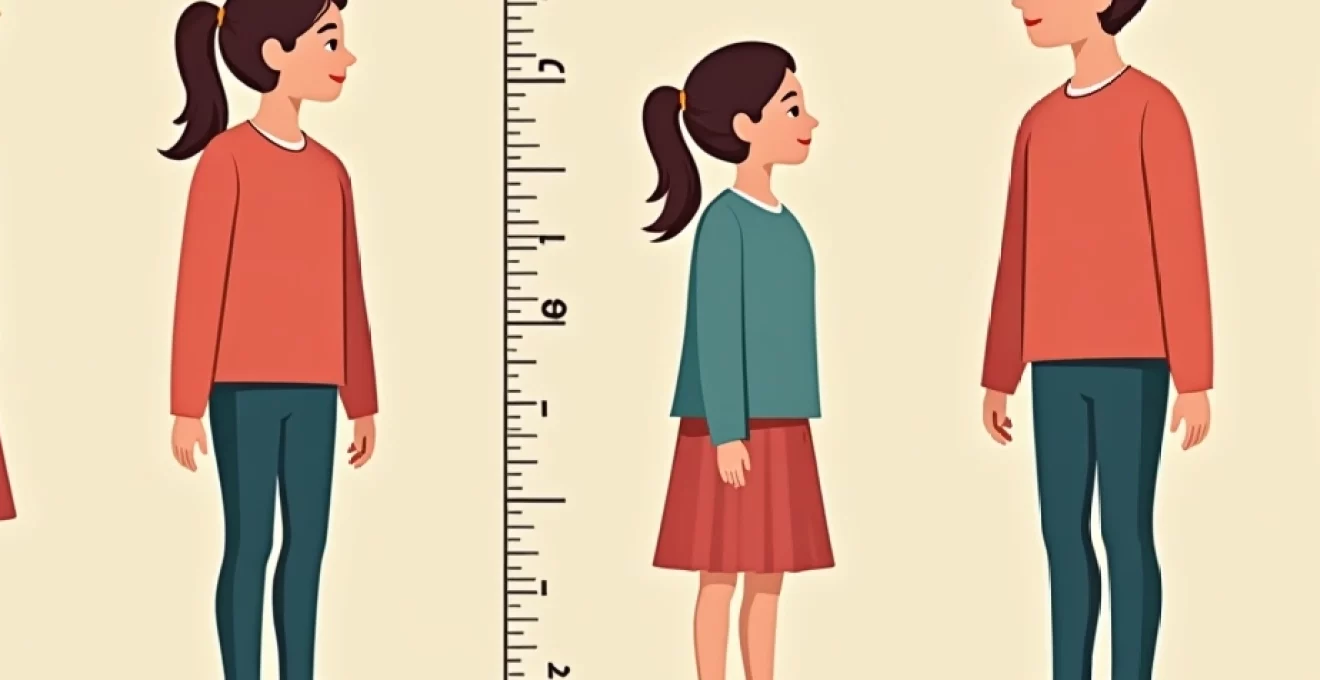
The phenomenon of height differences between identical twins challenges our fundamental understanding of genetic inheritance and environmental influence on human development. While monozygotic twins share identical DNA sequences, remarkable variations in stature can occur, sometimes reaching dramatic proportions. The case of Sienna and Sierra Bernal, identical twins with a 38-centimetre height difference, represents the most extreme documented example of this biological puzzle. This extraordinary variation demonstrates that even with identical genetic blueprints, complex interactions between environmental factors, epigenetic modifications, and developmental processes can produce significantly different physical outcomes in genetically identical individuals.
Genetic determinants of height in monozygotic twins
Although identical twins possess the same DNA sequence at conception, the relationship between genetics and height involves far more complexity than simple genetic determinism. Height is a polygenic trait, meaning it’s influenced by hundreds of genetic variants across the genome, each contributing small effects that accumulate to determine final adult stature. Even with identical genetic material, the expression and regulation of these height-related genes can vary significantly between twins due to various biological mechanisms.
Polygenic height inheritance patterns and SNP variations
Recent genome-wide association studies have identified over 700 genetic variants associated with human height, collectively explaining approximately 20% of height variation in populations. While identical twins share these single nucleotide polymorphisms (SNPs), the functional impact of these variants can differ between siblings. Post-zygotic mutations, occurring after the initial embryonic split, can introduce subtle genetic differences that affect growth-related pathways. These somatic mutations, though rare, can accumulate throughout development and potentially influence height outcomes.
The polygenic nature of height means that small variations in gene expression can compound over time, creating measurable differences in final stature. Even without direct sequence changes, differential gene dosage effects can occur when one twin experiences variations in the cellular machinery responsible for transcribing and translating height-related genes. This biological reality explains why identical twins, despite sharing the same genetic blueprint, can exhibit measurable height discordances.
Epigenetic modifications affecting growth hormone expression
Epigenetic modifications represent one of the most significant mechanisms through which identical twins can develop different heights despite sharing identical DNA sequences. These chemical modifications to DNA and associated proteins don’t change the underlying genetic code but dramatically influence gene expression patterns. DNA methylation , histone modifications , and chromatin remodelling can all impact the expression of growth-related genes, including those involved in growth hormone production and insulin-like growth factor signalling.
Research has demonstrated that epigenetic patterns can diverge significantly between identical twins as they age, with environmental factors driving these modifications. Growth hormone gene expression, crucial for linear growth during childhood and adolescence, can be particularly susceptible to epigenetic regulation. Differences in methylation patterns around growth hormone promoter regions could theoretically lead to varied hormone production levels between twins, resulting in different growth trajectories and ultimate height differences.
X-chromosome inactivation impact on stature development
In female identical twins, X-chromosome inactivation presents a unique mechanism for creating phenotypic differences despite genetic identity. During early development, one of the two X chromosomes in each cell becomes randomly inactivated, creating a mosaic pattern of gene expression. This process, known as lyonisation, can result in different patterns of X-linked gene expression between identical female twins, potentially affecting height if growth-related genes are located on the X chromosome.
The random nature of X-inactivation means that even identical twins can have different proportions of cells expressing maternal versus paternal X chromosomes. While the X chromosome contains relatively fewer height-related genes compared to autosomes, some X-linked genes do influence growth and development. These differences in X-inactivation patterns could contribute to subtle but measurable height variations between female identical twins.
Telomere length variations in identical twin pairs
Telomeres, the protective DNA-protein structures at chromosome ends, play crucial roles in cellular aging and may influence growth patterns through their impact on cellular replication capacity. Recent research has revealed that identical twins can develop different telomere lengths over time, influenced by environmental factors such as stress, diet, and lifestyle choices. These variations in telomere biology could potentially affect the growth capacity of cells involved in bone and cartilage development.
The relationship between telomere length and height involves complex cellular mechanisms related to growth plate function and bone formation. Shorter telomeres may limit the replicative potential of growth plate chondrocytes, potentially affecting longitudinal bone growth. While this mechanism requires further research, preliminary studies suggest that telomere length variations between identical twins could contribute to height discordances, particularly when combined with other genetic and environmental factors.
Environmental factors creating height discordance in identical twins
Environmental influences on height begin before birth and continue throughout the growth period, creating numerous opportunities for identical twins to develop different statures. These environmental factors can override genetic predispositions and create substantial height differences, as demonstrated in extreme cases like primordial dwarfism affecting only one twin. The intricate interplay between environmental exposures and genetic expression means that even genetically identical individuals can experience vastly different growth trajectories.
Intrauterine growth restriction and Twin-to-Twin transfusion syndrome
The prenatal environment provides the first opportunity for height differences to emerge between identical twins. Intrauterine growth restriction (IUGR) can affect one twin more severely than the other due to unequal placental sharing or positioning within the uterus. In monochorionic twin pregnancies, where twins share a single placenta, differential access to maternal nutrients and oxygen can create significant growth disparities that persist into adulthood.
Twin-to-twin transfusion syndrome represents an extreme example of how shared placental circulation can create height differences. In this condition, blood flows unequally between twins, with one receiving more nutrients and growing larger while the other experiences growth restriction. Even after successful treatment, the affected twin may experience long-term growth consequences that result in permanent height differences. These early environmental influences demonstrate how identical genetic material can produce different outcomes when developmental conditions vary.
Nutritional deficiencies during critical growth periods
Nutritional factors during childhood and adolescence significantly influence final adult height, even in genetically identical individuals. Differences in appetite, food preferences, absorption capacity, or access to nutrients can create substantial height discrepancies between identical twins. Critical nutrients for growth, including protein, calcium, vitamin D, and zinc, must be available in sufficient quantities during key growth periods to achieve genetic height potential.
Malnutrition or specific nutrient deficiencies during critical growth phases can have lasting effects on stature. For example, severe protein-energy malnutrition during the first two years of life can permanently impair linear growth, even if nutrition improves later. Identical twins experiencing different nutritional environments during these crucial periods may develop significantly different heights, with the malnourished twin showing persistent growth deficits into adulthood.
Physical activity levels and mechanical loading effects
Physical activity and mechanical loading play important roles in bone development and linear growth through their effects on growth plates and bone modelling. Weight-bearing exercises and physical stress stimulate bone formation and can influence the timing of growth plate closure, potentially affecting final height. Identical twins with markedly different activity levels may experience different growth patterns, particularly during adolescence when growth plates are most responsive to mechanical stimuli.
Conversely, excessive training or certain types of physical stress can potentially inhibit growth through effects on growth hormone secretion and energy availability for growth. Elite athletes in sports emphasising leanness sometimes experience delayed growth and reduced final height. If one identical twin engages in intensive training while the other remains sedentary, these different activity patterns could contribute to height discrepancies through their varied effects on growth-promoting hormones and growth plate function.
Chronic disease impact on linear growth patterns
Chronic diseases affecting one twin but not the other can create substantial height differences through their effects on growth hormone production, nutrient absorption, or energy metabolism. Conditions such as inflammatory bowel disease, chronic kidney disease, or endocrine disorders can severely impair linear growth if they occur during critical growth periods. The impact of these diseases on height depends on their severity, duration, and timing relative to growth spurts.
Growth-inhibiting effects of chronic diseases can be particularly pronounced when they occur during adolescence, the period of most rapid linear growth and greatest height potential.
Even relatively mild chronic conditions can accumulate effects over time, resulting in measurable height differences between identical twins. For example, recurrent infections, food allergies, or gastrointestinal disorders affecting nutrient absorption could gradually impair growth in the affected twin. These health-related factors demonstrate how environmental challenges can override genetic predispositions for height, creating substantial stature differences between genetically identical individuals.
Sleep deprivation effects on growth hormone secretion
Growth hormone secretion follows a circadian rhythm, with the majority released during deep sleep phases. Identical twins with different sleep patterns or sleep quality may experience varied growth hormone exposure, potentially affecting their growth trajectories. Sleep deprivation or sleep disorders can significantly reduce growth hormone release, particularly if they occur during critical growth periods.
The relationship between sleep and growth extends beyond simple hormone production to include effects on appetite regulation, stress hormones, and overall metabolic health. Poor sleep quality can increase cortisol production, which inhibits growth hormone action and can directly suppress linear growth. Identical twins with different sleep habits throughout childhood and adolescence might develop measurable height differences through these hormone-mediated pathways, even with identical genetic predispositions for stature.
Documented case studies of Height-Discordant identical twins
Medical literature contains numerous documented cases of identical twins with significant height differences, providing valuable insights into the mechanisms underlying stature discordance in genetically identical individuals. These cases range from moderate differences of a few centimeters to extreme variations exceeding 30 centimeters. Each case offers unique perspectives on how genetic, environmental, and developmental factors interact to produce different growth outcomes despite identical DNA blueprints.
Medical literature examples from twin registries
Large twin registries have documented thousands of identical twin pairs with varying degrees of height discordance, providing robust data on the frequency and magnitude of stature differences in monozygotic twins. The largest studies report that approximately 5-10% of identical twin pairs show height differences exceeding 5 centimeters, while 1-2% demonstrate differences greater than 10 centimeters. These statistics highlight that significant height discordance, while uncommon, occurs with sufficient frequency to warrant scientific attention.
Registry data reveals interesting patterns in height discordance, including associations with birth weight differences, gestational complications, and childhood health events. Twins with greater birth weight differences show increased likelihood of height discordance in adulthood, suggesting that prenatal factors play crucial roles in determining final stature differences. Environmental factors during childhood and adolescence further contribute to these discrepancies, with cumulative effects becoming apparent in adult height measurements.
Congenital growth hormone deficiency in single twin cases
Rare cases of congenital growth hormone deficiency affecting only one identical twin provide dramatic examples of how single gene defects or developmental anomalies can create extreme height differences. These cases typically involve mutations or developmental disruptions occurring after the embryonic split that created the twins, resulting in growth hormone pathway defects in one sibling while leaving the other unaffected.
One documented case involved identical twins where one developed severe growth hormone deficiency due to pituitary aplasia, resulting in a final height difference of over 40 centimeters. The affected twin required growth hormone replacement therapy but still achieved a significantly shorter adult stature than the unaffected sibling. Such cases demonstrate the critical importance of growth hormone for normal linear growth and illustrate how developmental accidents can override genetic predispositions.
Scoliosis and spinal deformity affecting measured height
Structural spinal conditions affecting one twin can create apparent height differences that reflect spinal curvature rather than differences in linear bone growth. Scoliosis, kyphosis, and other spinal deformities can reduce measured standing height while leaving leg length and other growth parameters unchanged. These cases highlight the importance of distinguishing between true growth differences and postural or structural factors affecting height measurement.
Progressive spinal conditions developing during adolescence can create increasing height discrepancies over time as the curvature worsens. Early detection and treatment of these conditions can prevent severe height discrepancies, though some residual differences may persist even with optimal management. Medical evaluation of height-discordant twins should always include assessment for spinal abnormalities that might explain apparent growth differences.
Limb length discrepancies following childhood injuries
Traumatic injuries affecting growth plates during childhood can create permanent height differences between identical twins if one experiences significant bone or joint damage while the other remains uninjured. Growth plate injuries can either accelerate or inhibit growth, depending on the type and severity of damage. Severe injuries may completely arrest growth in affected bones, while milder trauma might stimulate compensatory growth.
Case reports describe identical twins with substantial height differences resulting from unilateral growth plate injuries sustained during childhood. These injuries can affect individual bones or entire limbs, creating complex patterns of growth disturbance that may not become fully apparent until growth completion. Such cases emphasize how environmental accidents can permanently alter growth trajectories despite identical genetic programming for stature.
Hormonal regulation differences in genetically identical individuals
The endocrine system’s role in growth regulation provides multiple opportunities for identical twins to develop different heights through variations in hormone production, sensitivity, or timing. Growth hormone, insulin-like growth factors, thyroid hormones, and sex hormones all contribute to linear growth, and differences in any of these systems can create measurable height discrepancies. Environmental influences on hormonal regulation can override genetic similarities, creating unique growth patterns in each twin.
Stress hormones, particularly cortisol, can significantly impact growth through their inhibitory effects on growth hormone action and direct suppression of growth plate activity. Identical twins experiencing different stress levels during childhood might develop different cortisol patterns, potentially affecting their growth trajectories. Chronic stress exposure in one twin could result in persistently elevated cortisol levels, creating growth suppression and contributing to height differences between genetically identical siblings.
Hormonal differences between identical twins demonstrate that gene expression and environmental interactions create unique physiological profiles despite shared genetic material.
Thyroid hormone variations represent another mechanism through which identical twins can develop height differences. Environmental factors affecting thyroid function, such as iodine availability, autoimmune conditions, or exposure to thyroid-disrupting chemicals, could differentially impact twins and create growth discrepancies. Even subtle differences in thyroid hormone levels during critical growth periods can influence final adult height, particularly when combined with other environmental factors affecting growth.
Measurement methodology and statistical analysis of twin height studies
Accurate measurement and statistical analysis of height differences in identical twins require careful attention to methodology and potential confounding factors. Standard anthropometric techniques must account for diurnal height variations, postural factors, and measurement errors that could artificially inflate or obscure true height differences. Research protocols typically require multiple measurements taken at consistent times and positions to ensure reliability and reproducibility of height assessments.
Statistical approaches to analyzing twin height data must consider the complex genetic and environmental factors contributing to stature while accounting for the non-independence of twin observations. Advanced statistical models, including structural equation modelling and genetic correlation analyses, help separate genetic from environmental contributions to height variance within twin pairs. These analytical approaches provide insights into the relative importance of different factors contributing to height discordance in identical twins.
Longitudinal studies tracking height development from birth through adulthood provide the most comprehensive understanding of how height differences emerge and evolve over time. These studies reveal critical periods when environmental factors have maximal impact on growth trajectories and identify key predictors of adult height discordance. Cross-sectional studies, while valuable for documenting final height differences, provide limited insights into the developmental processes underlying stature discrepancies between identical twins.
Long-term implications of height discordance in adult identical twins
Height differences between identical twins can have lasting implications extending beyond simple physical measurements to include psychosocial, health, and lifestyle considerations. The twin with significantly reduced stature may face unique challenges related to self-esteem, social interactions, and occupational opportunities. Conversely, these differences provide valuable research opportunities for understanding genetic versus environmental contributions to human development and disease susceptibility.
From a medical perspective, height-discordant identical twins offer unique insights into growth disorders and treatment effectiveness. The unaffected twin serves as a genetic control, allowing researchers to isolate environmental and developmental factors contributing to growth differences. This natural experiment design has proven invaluable for understanding conditions like primordial dwarfism, growth hormone deficiency, and other disorders affecting linear growth.
Research involving height-disc
ordant twins can inform treatment strategies for children with growth disorders, as the genetic control provided by the unaffected twin helps isolate treatment effects from genetic factors.
The psychological impact of significant height differences should not be underestimated, particularly when the discrepancy exceeds 10-15 centimeters. Identity formation in twins often involves comparison and differentiation processes that can be complicated by dramatic physical differences. Professional counseling and support may be beneficial for families navigating these challenges, helping both twins develop healthy self-concepts and coping strategies.
Height-discordant identical twins also contribute valuable data to epidemiological studies examining relationships between stature and health outcomes. Since genetic factors are controlled, researchers can better isolate environmental and developmental influences on disease susceptibility, cardiovascular health, and longevity. These natural experiments provide unique insights into how early life factors affecting growth might influence adult health trajectories through mechanisms independent of genetic predisposition.
Career and social implications of height differences may vary depending on the magnitude of discrepancy and cultural context. While modern society has become more inclusive of physical differences, height bias still exists in certain professional and social situations. Understanding these potential challenges allows families and healthcare providers to better support affected individuals and advocate for equal opportunities regardless of stature differences.
The remarkable phenomenon of height differences between identical twins ultimately demonstrates the complex interplay between genetic potential and environmental reality in human development. From the extreme case of Sienna and Sierra Bernal to more subtle variations documented in twin registries worldwide, these differences illuminate fundamental principles of growth biology and developmental plasticity. Environmental factors ranging from intrauterine conditions to childhood nutrition, from hormonal variations to chronic diseases, can all override genetic programming to create unique growth trajectories.
As our understanding of epigenetic mechanisms, environmental influences, and developmental biology continues to advance, identical twins with height discordance will undoubtedly continue serving as valuable models for understanding human growth and development. Their unique circumstances provide irreplaceable insights into the factors that determine our ultimate stature, reminding us that even with identical genetic blueprints, environmental influences and developmental processes create the remarkable diversity we observe in human physical characteristics. These cases challenge simplistic notions of genetic determinism while highlighting the incredible adaptability and plasticity of human development in response to environmental challenges and opportunities.