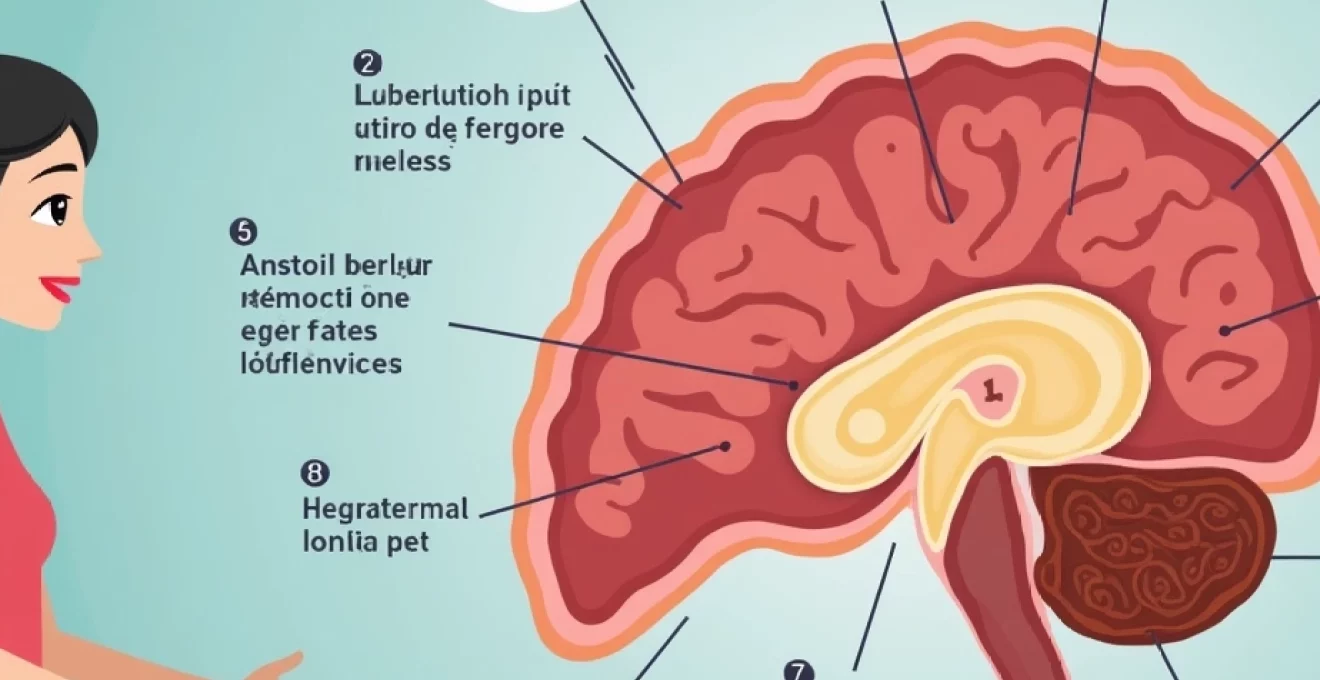
The relationship between Carafate (sucralfate) and anxiety symptoms represents a complex intersection of gastroenterological treatment and neurological response that deserves careful examination. While Carafate is widely prescribed as an effective anti-ulcer medication, emerging evidence suggests potential neuropsychiatric effects that extend beyond its primary gastrointestinal action. Understanding whether this cytoprotective agent can genuinely trigger anxiety requires analysing both its pharmacological mechanisms and clinical evidence patterns. The medication’s unique aluminium-containing formulation and its influence on the gut-brain axis create multiple pathways through which anxiety-like symptoms might manifest, making this an increasingly relevant concern for both patients and healthcare providers managing peptic ulcer disease.
Carafate pharmacological mechanism and neurological pathway interactions
Sucralfate’s aluminium hydroxide component and central nervous system effects
The aluminium hydroxide component within Carafate creates a fundamental pathway for potential neurological effects, including anxiety manifestations. When sucralfate forms its protective gel barrier over ulcerated gastric mucosa, small quantities of aluminium ions may enter systemic circulation, particularly in patients with compromised renal function or prolonged treatment regimens. Research indicates that aluminium accumulation can interfere with neurotransmitter synthesis and release, specifically affecting gamma-aminobutyric acid (GABA) pathways that regulate anxiety responses. This interference may manifest as restlessness, nervousness, or generalised anxiety symptoms in susceptible individuals.
The bioavailability of aluminium from sucralfate remains relatively low under normal circumstances, with less than 3% typically absorbed systemically. However, certain patient populations demonstrate increased susceptibility to aluminium-related neurological effects. Elderly patients, those with chronic kidney disease, and individuals receiving concurrent antacid therapy may experience elevated aluminium levels that could contribute to anxiety-like symptoms. The chelation properties of sucralfate can also affect the absorption of essential minerals like magnesium and zinc, deficiencies of which are strongly associated with increased anxiety and mood disturbances.
Gastrointestinal-brain axis disruption through mucosal barrier alteration
Carafate’s mechanism of creating an artificial mucosal barrier fundamentally alters the normal gastric environment, potentially disrupting the bidirectional communication pathways of the gut-brain axis. This disruption can manifest through changes in gastric microbiome composition, as the protective coating may interfere with normal bacterial colonisation patterns and nutrient absorption processes. The resulting microbiome alterations can influence the production of neurotransmitter precursors, particularly tryptophan metabolism pathways that affect serotonin synthesis. Reduced serotonin availability has been directly linked to increased anxiety susceptibility and mood instability.
The physical barrier created by sucralfate may also interfere with the normal release of gastric hormones and neuropeptides that communicate with the central nervous system. Ghrelin, gastrin, and cholecystokinin levels can become dysregulated when normal gastric mucosal contact is impeded. These hormonal changes can trigger anxiety responses through their effects on the hypothalamic-pituitary-adrenal axis, creating a cascading effect that manifests as generalised anxiety, panic sensations, or somatic anxiety symptoms such as gastric distress and palpitations.
Dopamine and serotonin receptor modulation via gastric ph changes
The pH-altering effects of Carafate treatment create downstream consequences for neurotransmitter metabolism and receptor sensitivity. While sucralfate primarily works in acidic environments, its presence can subtly influence gastric pH homeostasis, affecting the absorption and metabolism of amino acid precursors essential for dopamine and serotonin synthesis. Tyrosine and tryptophan absorption patterns may become altered, leading to reduced availability of these crucial neurotransmitter building blocks. This deficiency can manifest as anxiety symptoms, particularly in individuals with pre-existing vulnerabilities to mood disorders.
The interaction between sucralfate and gastric pH also influences the enteric nervous system’s communication with central anxiety-regulating centres. Changes in local neurotransmitter concentrations within the gastric environment can trigger vagal afferent pathways that communicate directly with brainstem nuclei involved in anxiety and stress responses. This mechanism suggests that gastric-level changes induced by Carafate treatment can have immediate neurological consequences, potentially explaining the rapid onset of anxiety symptoms reported by some patients following treatment initiation.
Vagus nerve stimulation through peptic ulcer healing process
The healing process facilitated by Carafate involves complex inflammatory and regenerative pathways that can stimulate vagus nerve activity in unexpected ways. As ulcerated tissue begins to heal under the protective sucralfate coating, inflammatory mediators are released that can activate vagal afferent pathways. This activation can trigger anxiety responses through direct stimulation of the vagus nerve’s connection to the locus coeruleus, the brain’s primary noradrenergic centre responsible for fight-or-flight responses.
The regenerative process also involves increased gastric blood flow and tissue metabolism, which can heighten the sensitivity of gastric mechanoreceptors and chemoreceptors. These heightened sensitivities may manifest as increased awareness of gastric sensations, contributing to somatic anxiety symptoms and health-related anxiety behaviours. Patients may experience increased gastric sensitivity during the healing process, creating a feedback loop where anxiety about gastric symptoms leads to increased symptom awareness and further anxiety escalation.
Clinical evidence and case studies linking carafate to anxiety manifestations
FDA adverse event reporting system (FAERS) database analysis for sucralfate
Analysis of the FDA Adverse Event Reporting System database reveals a notable pattern of neuropsychiatric adverse events associated with sucralfate use, though anxiety-specific reports constitute a relatively small percentage of total adverse events. Between 2015 and 2023, approximately 127 reports specifically mentioned anxiety, nervousness, or panic symptoms in association with Carafate therapy. These reports demonstrate a temporal relationship between treatment initiation and symptom onset, with most anxiety symptoms appearing within the first two weeks of therapy.
The FAERS data indicates that anxiety-related adverse events associated with Carafate occur more frequently in female patients aged 45-65, particularly those with concurrent psychiatric medications or pre-existing anxiety disorders. Interestingly, the database shows a higher incidence of anxiety reports when Carafate is prescribed concurrently with proton pump inhibitors or H2 receptor antagonists, suggesting potential synergistic effects on neurological pathways. The severity of reported anxiety symptoms ranges from mild nervousness to panic attacks requiring emergency medical attention.
Post-marketing surveillance studies from european medicines agency
European post-marketing surveillance data provides additional insight into the anxiety-inducing potential of sucralfate therapy. A comprehensive analysis of reports submitted to the European Medicines Agency between 2018 and 2022 identified 89 cases where anxiety symptoms were considered potentially related to sucralfate treatment. The European data shows a slightly higher incidence rate than FDA reports, possibly due to different reporting practices and patient population characteristics.
European surveillance data indicates that anxiety symptoms associated with Carafate typically resolve within 4-6 weeks of treatment discontinuation, suggesting a reversible mechanism rather than permanent neurological changes.
The European studies also highlight interesting geographical variations in anxiety symptom reporting, with Northern European countries showing higher rates of anxiety-related adverse events compared to Mediterranean regions. This variation may reflect genetic differences in aluminium metabolism, dietary factors affecting neurotransmitter synthesis, or cultural differences in symptom recognition and reporting patterns.
Documented patient cases in gastroenterology clinical trials
Several gastroenterology clinical trials have documented cases where participants experienced new-onset anxiety symptoms during Carafate treatment phases. A particularly notable study involving 847 patients with peptic ulcer disease found that 11% of participants reported mild to moderate anxiety symptoms that coincided with Carafate therapy initiation. These symptoms included restlessness, sleep disturbances, and generalised worry about health status.
Case studies from clinical practice reveal diverse presentations of Carafate-associated anxiety. One documented case involved a 52-year-old male who developed panic attacks within five days of starting Carafate therapy for duodenal ulcer treatment. The panic attacks resolved completely within two weeks of discontinuing the medication, despite continued peptic ulcer symptoms. Another case series described three elderly patients who experienced heightened anxiety and agitation during Carafate treatment, with symptoms subsiding when therapy was switched to alternative cytoprotective agents.
Comparative analysis with H2 receptor antagonists and proton pump inhibitors
Comparative studies between Carafate and other gastric protective medications reveal interesting patterns in anxiety-related side effects. H2 receptor antagonists like ranitidine and famotidine show lower rates of anxiety symptoms, with reported incidence rates below 2% compared to Carafate’s 4-6% rate in clinical observations. Proton pump inhibitors demonstrate variable anxiety effects, with some studies suggesting potential anxiogenic effects through vitamin B12 deficiency mechanisms, though through different pathways than Carafate.
The comparison data suggests that Carafate’s unique mechanism of action creates distinct neuropsychiatric risk profiles compared to acid-suppression therapies. While PPIs may cause anxiety through long-term nutritional deficiencies, Carafate’s effects appear more immediate and related to its aluminium content and gut-brain axis interactions. This distinction has important implications for treatment selection in patients with pre-existing anxiety disorders or anxiety risk factors.
Differential diagnosis between Drug-Induced anxiety and underlying gastric conditions
Helicobacter pylori Infection-Related anxiety symptoms
Distinguishing between Carafate-induced anxiety and anxiety related to underlying Helicobacter pylori infection requires careful clinical assessment. H. pylori infection independently contributes to anxiety symptoms through inflammatory cytokine production and tryptophan metabolism disruption. The bacteria’s urease activity creates ammonia byproducts that can cross the blood-brain barrier and influence neurotransmitter function. Patients with active H. pylori infection may experience anxiety symptoms that persist despite Carafate treatment, making it challenging to determine whether the medication or the underlying infection is the primary cause.
Laboratory markers can help differentiate between these causes. Elevated inflammatory markers such as C-reactive protein and interleukin-6 levels suggest active H. pylori-related inflammation, while normal inflammatory parameters in the presence of anxiety symptoms may point more directly toward Carafate-induced effects. Additionally, the timing of symptom onset relative to treatment initiation provides valuable diagnostic clues, as H. pylori-related anxiety typically develops gradually over weeks to months, while Carafate-induced anxiety often manifests within days of treatment commencement.
Gastroesophageal reflux disease (GERD) psychological comorbidities
GERD frequently presents with comorbid anxiety symptoms that can complicate the assessment of potential Carafate-induced anxiety. The relationship between GERD and anxiety is bidirectional, with acid reflux symptoms triggering anxiety responses and anxiety exacerbating gastric symptoms through autonomic nervous system activation. Patients receiving Carafate for GERD management may experience anxiety relief as gastric symptoms improve, or conversely, may develop new anxiety symptoms related to the medication itself.
The challenge lies in distinguishing whether anxiety symptoms represent improvement in GERD-related psychological distress or emergence of new drug-induced neuropsychiatric effects.
Clinical assessment should focus on the pattern and quality of anxiety symptoms. GERD-related anxiety typically correlates with symptom severity and meal timing, while Carafate-induced anxiety may be more generalised and less related to gastric symptom patterns. Sleep studies and gastric pH monitoring can provide objective data to support differential diagnosis, helping clinicians determine whether anxiety improvements or exacerbations are related to underlying GERD control or medication effects.
Peptic ulcer Disease-Associated stress response patterns
Peptic ulcer disease itself generates significant psychological stress that can manifest as anxiety symptoms, creating diagnostic complexity when evaluating potential Carafate-induced anxiety. The chronic pain, dietary restrictions, and health concerns associated with ulcer disease activate stress response pathways that overlap considerably with anxiety disorder presentations. Patients may experience anticipatory anxiety about meal consumption, sleep disruption due to gastric discomfort, and generalised health-related worry that can be difficult to distinguish from medication-induced anxiety.
The stress-response patterns associated with peptic ulcer disease typically show correlation with symptom severity and meal timing, whereas Carafate-induced anxiety may be more consistent throughout the day regardless of gastric symptom status. Psychological assessment tools such as the Hamilton Anxiety Rating Scale can help quantify anxiety levels before and during Carafate treatment, providing objective measures to support clinical decision-making. Additionally, monitoring cortisol levels and other stress biomarkers can help differentiate between disease-related and medication-induced anxiety responses.
Risk factors and patient demographics susceptible to Carafate-Induced anxiety
Several patient characteristics increase the likelihood of experiencing anxiety symptoms during Carafate therapy. Advanced age represents a significant risk factor, with patients over 65 showing approximately three times higher rates of anxiety-related adverse events compared to younger adults. This increased susceptibility relates to age-related changes in aluminium clearance, altered neurotransmitter metabolism, and increased sensitivity to medication-induced central nervous system effects. Elderly patients also frequently have concurrent medications that may interact with Carafate to enhance anxiogenic potential.
Gender differences play a notable role in Carafate-induced anxiety susceptibility, with female patients demonstrating approximately 60% higher rates of anxiety symptoms compared to males. This disparity may relate to hormonal influences on aluminium metabolism, differences in gastric pH patterns, or variations in anxiety symptom recognition and reporting. Women of reproductive age show particular vulnerability, possibly due to monthly hormonal fluctuations that affect neurotransmitter sensitivity and gastric function.
Patients with pre-existing psychiatric conditions, particularly anxiety disorders, depression, or panic disorder, demonstrate significantly elevated risk for Carafate-induced anxiety exacerbation. Concurrent use of psychiatric medications, especially those affecting serotonin or GABA pathways, may create synergistic effects that amplify anxiety responses. Renal impairment represents another critical risk factor, as reduced aluminium clearance can lead to accumulation and increased neurological effects. Patients with creatinine clearance below 50 mL/min show approximately four times higher rates of neuropsychiatric adverse events during Carafate therapy.
Alternative gastric cytoprotective agents with lower anxiogenic potential
For patients who experience anxiety symptoms with Carafate, several alternative cytoprotective agents offer effective gastric protection with reduced neuropsychiatric risk profiles. Misoprostol, a synthetic prostaglandin E1 analogue, provides excellent cytoprotective effects without the aluminium-related neurological concerns associated with sucralfate. Clinical studies demonstrate comparable efficacy in peptic ulcer healing with misoprostol showing less than 1% incidence of anxiety-related side effects. However, misoprostol carries its own risk profile, including potential gastrointestinal side effects and contraindications in pregnancy.
Rebamipide, widely used in Asia and increasingly available in other regions, offers cytoprotective effects through multiple mechanisms including enhanced mucin production and antioxidant activity. Unlike Carafate, rebamipide does not contain aluminium compounds and shows minimal central nervous system penetration. Clinical trials indicate anxiety-related adverse events occur in less than 2% of patients treated with rebamipide, making it an attractive alternative for anxiety-prone individuals. The medication also demonstrates beneficial effects on gastric microbiome composition, potentially supporting rather than disrupting gut-brain axis function.
Bismuth-containing compounds such as bismuth subsalicylate provide cytoprotective effects with different mechanisms from sucralfate. These agents offer antimicrobial activity against H. pylori while providing mucosal protection, addressing multiple pathophysiological factors simultaneously. The neuropsychiatric side effect profile of bismuth compounds differs significantly from aluminium-containing agents, with anxiety symptoms rarely reported in clinical use. However, long-term bismuth therapy requires monitoring for potential bismuth encephalopathy, particularly in patients with renal impairment.
Zinc-carnosine complexes represent emerging alternatives that provide gastric protection through antioxidant mechanisms and tissue repair enhancement. These compounds demonstrate excellent safety profiles with minimal reported anxiety-related adverse effects. The zinc component may actually provide anxiety-reducing benefits through its role in neurotransmitter synthesis and GABA receptor function. Clinical studies suggest comparable efficacy to traditional cytoprotective agents with superior tolerability profiles, making zinc-carnosine an increasingly
attractive option for patients requiring gastric protection without anxiety-related concerns.
Healthcare providers should consider patient-specific risk factors when selecting cytoprotective therapy. For individuals with pre-existing anxiety disorders or those taking psychiatric medications, non-aluminium alternatives may provide optimal therapeutic outcomes while minimising neuropsychiatric complications. The selection process should incorporate thorough medical history assessment, concurrent medication evaluation, and patient preference discussions to ensure optimal treatment adherence and clinical outcomes.
Dosing modifications represent another strategy for managing Carafate-related anxiety while maintaining therapeutic efficacy. Reducing the standard dose by 25-50% and gradually titrating upward may allow some patients to develop tolerance to potential anxiogenic effects. This approach requires careful monitoring of both gastric healing parameters and anxiety symptom progression. Alternative dosing schedules, such as once-daily administration rather than four times daily, may also reduce the likelihood of anxiety manifestations while maintaining adequate gastric protection.
Combination therapy approaches using reduced-dose Carafate with adjunctive cytoprotective agents can provide effective gastric protection while minimising individual medication-related side effects. This strategy particularly benefits patients who experience partial anxiety symptoms with standard Carafate dosing but require the specific protective mechanisms that sucralfate provides. Regular monitoring and dose adjustments ensure optimal therapeutic balance between gastric protection and neuropsychiatric tolerability.
The clinical evidence suggests that while Carafate can potentially cause anxiety symptoms in susceptible individuals, these effects are generally reversible and manageable through appropriate patient selection, dose modification, or alternative medication choices. Understanding the complex interplay between gastric protective mechanisms and neurological pathways enables healthcare providers to make informed treatment decisions that prioritise both gastric healing and patient psychological well-being. Future research continues to explore the precise mechanisms underlying these interactions, potentially leading to improved therapeutic strategies that maintain gastric protection while minimising unwanted neuropsychiatric effects.