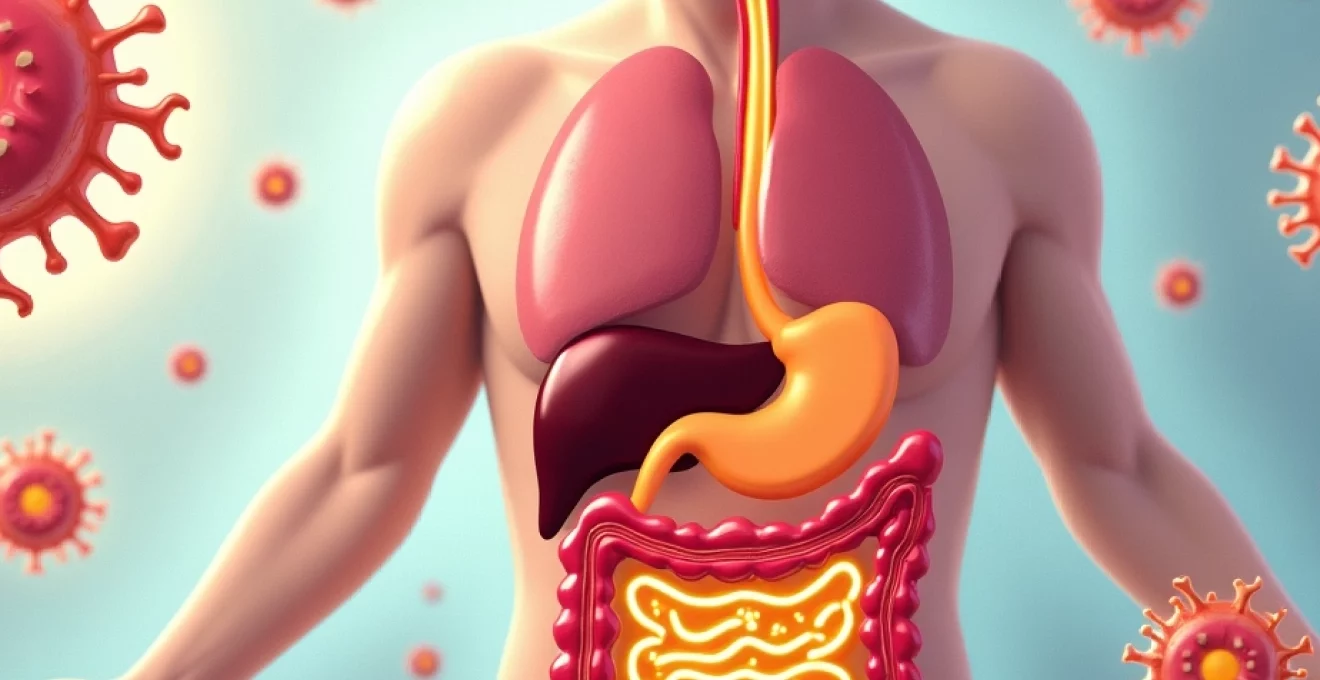
The relationship between Candida albicans overgrowth and gastroesophageal reflux disease (GERD) represents one of the most overlooked connections in modern gastroenterology. While conventional medicine typically addresses acid reflux through proton pump inhibitors and lifestyle modifications, mounting evidence suggests that fungal overgrowth may serve as a primary trigger for persistent reflux symptoms. This fungal-gastric connection affects millions of individuals who experience chronic heartburn, regurgitation, and oesophageal discomfort despite following traditional treatment protocols.
Understanding this relationship becomes particularly crucial when you consider that Candida albicans naturally inhabits the gastrointestinal tract in approximately 80% of healthy adults. However, when environmental factors disrupt the delicate microbial balance, this opportunistic organism can proliferate rapidly, creating inflammatory cascades that extend far beyond the intestinal wall. The resulting pathophysiological changes can directly compromise oesophageal function, alter gastric acid production, and trigger immune responses that perpetuate reflux symptoms.
Candida albicans overgrowth pathophysiology and gastrointestinal manifestations
Candida albicans exists as a dimorphic fungus capable of transitioning between benign yeast forms and aggressive hyphal structures. This morphological flexibility allows the organism to adapt to varying environmental conditions within the gastrointestinal tract. Under normal circumstances, beneficial bacteria such as Lactobacillus and Bifidobacterium species maintain fungal populations through competitive inhibition and antimicrobial compound production. However, disruptions to this ecosystem—whether through antibiotic therapy, dietary changes, or immune suppression—can trigger rapid candidal proliferation.
The transition from commensal yeast to pathogenic fungus involves complex genetic expression changes that enable enhanced virulence factors. These include increased adherence capabilities, enhanced enzyme production, and improved resistance to host immune responses. Studies indicate that candidal overgrowth affects approximately 15-20% of individuals with unexplained gastrointestinal symptoms, yet diagnosis remains challenging due to the organism’s ability to evade conventional detection methods.
Candida albicans biofilm formation in the intestinal mucosa
Biofilm formation represents one of Candida’s most sophisticated survival mechanisms, creating protective matrices that shield fungal communities from both antimicrobial agents and immune system attacks. These complex structures consist of extracellular polymeric substances that embed candidal cells within a three-dimensional network. Research demonstrates that biofilm-associated Candida exhibits up to 1,000-fold increased resistance to antifungal medications compared to planktonic cells.
Within the intestinal environment, biofilms adhere to mucosal surfaces, creating chronic inflammatory foci that disrupt normal digestive processes. The biofilm matrix harbours various virulence factors, including secreted aspartyl proteinases and phospholipases, which actively degrade intestinal barrier proteins. This degradation process contributes to increased intestinal permeability and facilitates the translocation of candidal antigens into systemic circulation.
Hyphal invasion and intestinal permeability mechanisms
The morphological transition from yeast to hyphal forms marks a critical turning point in Candida pathogenesis. Hyphal structures possess enhanced invasive capabilities, utilising specialised adhesins and invasins to penetrate intestinal epithelial cells. This invasion process triggers significant disruptions to tight junction proteins, including claudin-1, occludin, and zonula occludens-1, which normally maintain intestinal barrier integrity.
Experimental studies reveal that hyphal invasion increases intestinal permeability by up to 300% within 24 hours of exposure. This dramatic increase in gut permeability allows larger molecular weight compounds, including undigested food proteins and bacterial lipopolysaccharides, to enter systemic circulation. The resulting immune activation contributes to widespread inflammatory responses that can affect multiple organ systems, including the oesophagus and stomach.
Mycotoxin production and systemic inflammatory response
Candida albicans produces numerous secondary metabolites, including acetaldehyde, which serves as both a virulence factor and a significant toxin affecting host physiology. Acetaldehyde production occurs through candidal fermentation of dietary carbohydrates, creating concentrations that can reach toxic levels within the gastrointestinal tract. This compound readily crosses biological membranes and can accumulate in various tissues, including the brain, liver, and cardiovascular system.
The systemic distribution of candidal mycotoxins triggers widespread inflammatory responses characterised by elevated cytokine production, particularly interleukin-1β, tumour necrosis factor-α, and interferon-γ. These pro-inflammatory mediators contribute to tissue damage, altered neurotransmitter function, and disrupted hormonal signalling pathways. The chronic inflammatory state associated with mycotoxin exposure can persist for months after initial fungal overgrowth, perpetuating symptoms even during apparent clinical improvement.
Dysbiosis impact on vagus nerve function and gastric motility
The gut-brain axis represents a bidirectional communication network that significantly influences gastrointestinal function through neural, hormonal, and immune pathways. Candida overgrowth disrupts this communication system by altering microbial metabolite production and triggering inflammatory responses that affect vagal nerve function. The vagus nerve plays a crucial role in coordinating gastric acid secretion, gastric motility, and lower oesophageal sphincter tone.
Candidal dysbiosis reduces the production of beneficial short-chain fatty acids while increasing potentially harmful metabolites such as ammonia and biogenic amines. These metabolic changes directly influence vagal signalling, contributing to delayed gastric emptying, altered acid production, and impaired coordination between gastric and oesophageal functions. Research indicates that individuals with documented candidal overgrowth demonstrate significantly reduced vagal tone compared to healthy controls.
Direct mechanisms linking candida overgrowth to gastroesophageal reflux disease
The pathophysiological connection between Candida overgrowth and gastroesophageal reflux disease involves multiple direct mechanisms that compromise normal oesophageal and gastric function. These mechanisms operate simultaneously, creating a complex web of dysfunction that can perpetuate reflux symptoms despite conventional therapeutic interventions. Understanding these direct pathways becomes essential for developing effective treatment strategies that address the underlying fungal contribution to GERD.
Clinical observations suggest that approximately 35-40% of patients with treatment-resistant GERD may harbour significant candidal overgrowth. These individuals typically present with atypical symptom patterns, including persistent throat irritation, chronic cough, and food sensitivities that don’t respond adequately to standard acid suppression therapy. The recognition of fungal involvement in GERD pathogenesis represents a paradigm shift in gastroenterology, moving beyond simple acid reduction towards comprehensive microbial balance restoration.
Lower oesophageal sphincter dysfunction in Candida-Associated gastroparesis
The lower oesophageal sphincter (LOS) functions as the primary barrier preventing gastric contents from refluxing into the oesophagus. Normal LOS function depends on coordinated neural control, adequate smooth muscle tone, and proper anatomical positioning. Candida overgrowth can compromise all three of these factors through direct inflammatory effects and indirect neural dysfunction.
Gastroparesis, characterised by delayed gastric emptying, frequently accompanies significant candidal overgrowth. Studies demonstrate that fungal metabolites, particularly acetaldehyde, directly impair gastric smooth muscle contractility and disrupt the migrating motor complex responsible for coordinated gastric emptying. When food remains in the stomach for extended periods, increased intragastric pressure can overcome LOS competency, leading to reflux episodes.
Hiatal hernia development through chronic Intra-Abdominal pressure
Chronic candidal overgrowth contributes to persistent abdominal distension through gas production and inflammatory bowel wall thickening. This distension creates elevated intra-abdominal pressure that can gradually weaken the diaphragmatic hiatus, predisposing individuals to hiatal hernia development. The combination of increased abdominal pressure and compromised tissue integrity creates conditions favourable for anatomical displacement of the gastroesophageal junction.
Hiatal hernias associated with candidal overgrowth often present with unique characteristics, including intermittent severity that correlates with dietary triggers and stress levels. These hernias may demonstrate partial reducibility during periods of improved fungal control, suggesting that the underlying inflammatory process contributes to both the development and maintenance of the anatomical abnormality.
Oesophageal candidiasis and secondary reflux complications
Direct oesophageal colonisation by Candida albicans can occur when systemic overgrowth reaches sufficient levels to overcome local immune defences. Oesophageal candidiasis typically manifests as white plaques or erosive lesions that compromise mucosal integrity and alter normal peristaltic function. The inflammatory response to oesophageal infection can create strictures, reduce muscular coordination, and increase sensitivity to acid exposure.
The presence of oesophageal candidiasis creates a vicious cycle where compromised mucosal barriers allow increased acid penetration, leading to enhanced inflammatory responses and further tissue damage.
Secondary complications of oesophageal candidiasis include impaired clearance mechanisms, altered pain sensitivity, and increased susceptibility to acid-related injury. These factors combine to create a clinical picture that may be indistinguishable from severe GERD, yet requires fundamentally different therapeutic approaches focused on antifungal intervention rather than acid suppression alone.
Acetaldehyde toxicity effects on gastric acid production
Acetaldehyde, the primary toxic metabolite produced by Candida albicans, exerts complex effects on gastric acid secretion that can both increase and decrease acid production depending on concentration and exposure duration. Acute acetaldehyde exposure stimulates gastrin release and increases acid secretion, while chronic exposure impairs parietal cell function and reduces acid production capacity.
The biphasic nature of acetaldehyde’s effects on acid production helps explain the varied clinical presentations seen in candida-associated reflux. Some patients present with apparent hyperacidity and severe heartburn, while others demonstrate hypochlorhydria with predominantly regurgitation and digestive complaints. Measuring both gastric acid levels and candidal metabolites can provide valuable insights into the predominant mechanism affecting individual patients.
Indirect pathways: immune system dysfunction and histamine response
The immune system’s response to Candida overgrowth creates a cascade of secondary effects that significantly impact gastrointestinal function. These indirect pathways often prove more challenging to identify and treat than direct fungal effects, yet they may be responsible for the most persistent and debilitating symptoms. The chronic activation of immune responses leads to systemic inflammation that affects multiple organ systems simultaneously, creating complex clinical presentations that can confound diagnosis and treatment efforts.
Immune dysfunction associated with candidal overgrowth extends beyond simple inflammatory responses to include altered cellular immunity, disrupted cytokine balance, and compromised immune surveillance. These changes can persist for months after successful fungal eradication, explaining why symptom resolution often lags behind microbiological improvement. Understanding these delayed immune effects becomes crucial for setting realistic treatment expectations and developing comprehensive recovery protocols.
Th17 cell activation and Pro-Inflammatory cytokine cascade
Candida albicans serves as a potent stimulus for Th17 cell differentiation and activation, triggering the production of interleukin-17, interleukin-22, and other inflammatory mediators. These cytokines play essential roles in antifungal immunity but can become problematic when produced in excess or for prolonged periods. Th17 cells specifically target mucosal tissues, making the gastrointestinal tract particularly susceptible to inflammatory damage during chronic candidal exposure.
The pro-inflammatory cytokine cascade initiated by Th17 activation affects gastric and oesophageal function through multiple mechanisms. Inflammatory mediators increase vascular permeability, promote smooth muscle dysfunction, and alter neural signalling pathways. Research indicates that elevated IL-17 levels correlate directly with increased reflux severity and reduced response to conventional acid suppression therapy.
Mast cell degranulation and Histamine-Induced acid hypersecretion
Mast cells serve as crucial mediators between candidal antigens and gastric function through their release of histamine, prostaglandins, and other inflammatory compounds. Chronic exposure to candidal antigens can lead to mast cell sensitisation and hyperreactivity, resulting in excessive histamine release in response to dietary triggers, stress, or additional antigen exposure. This histamine release directly stimulates gastric acid production through H2 receptor activation on parietal cells.
The mast cell response to Candida creates a state of histamine intolerance that can perpetuate acid hypersecretion long after fungal populations have been controlled. Histamine intolerance manifests as food sensitivities, particularly to fermented foods, aged cheeses, and alcoholic beverages. The combination of increased acid production and dietary restrictions can significantly impact quality of life and nutritional status.
Leaky gut syndrome and food sensitivity development
Increased intestinal permeability, commonly referred to as leaky gut syndrome, allows incompletely digested food proteins to enter systemic circulation where they can trigger immune responses. These food proteins are recognised as foreign antigens, leading to the development of food-specific IgG antibodies and delayed hypersensitivity reactions. The immune activation associated with food sensitivities contributes to chronic inflammation and can perpetuate reflux symptoms.
Food sensitivities developed through leaky gut syndrome often involve common dietary staples such as wheat, dairy, and eggs, making dietary management particularly challenging for affected individuals.
The development of multiple food sensitivities creates a complex clinical picture where dietary modifications may provide temporary relief but fail to address the underlying intestinal permeability. Successful management requires both antifungal therapy to reduce candidal burden and targeted interventions to restore intestinal barrier function.
Adrenal fatigue impact on digestive enzyme production
Chronic stress associated with candidal overgrowth and persistent reflux symptoms can lead to adrenal dysfunction characterised by altered cortisol production patterns. Cortisol plays essential roles in digestive function, including stimulation of digestive enzyme production, regulation of gastric acid secretion, and maintenance of intestinal barrier integrity. Disrupted cortisol rhythms can significantly impair digestive capacity and contribute to symptom persistence.
Adrenal fatigue manifests as morning cortisol deficiency with potential evening elevation, creating a pattern that impairs overnight gastric acid neutralisation and morning digestive enzyme activation. This hormonal dysfunction can perpetuate reflux symptoms and digestive complaints even during periods of successful candidal control, highlighting the importance of comprehensive adrenal support in treatment protocols.
Clinical evidence and diagnostic markers for Candida-Related acid reflux
Establishing the diagnosis of candida-related acid reflux requires a comprehensive approach that combines clinical assessment, laboratory testing, and therapeutic trials. Traditional diagnostic methods for GERD, such as endoscopy and pH monitoring, may fail to identify fungal involvement, necessitating specialised testing protocols. The challenge lies in distinguishing between candidal overgrowth as a primary cause of reflux versus secondary colonisation of already compromised tissues.
Clinical markers that suggest candidal involvement in reflux include treatment resistance to proton pump inhibitors, concurrent thrush infections, sugar cravings, and symptom fluctuations related to dietary carbohydrate intake. Patients often report that their symptoms worsen following antibiotic therapy or during periods of high stress. The presence of concurrent symptoms such as brain fog, chronic fatigue, and recurrent yeast infections further supports the diagnosis of systemic candidal overgrowth.
Laboratory assessment should include comprehensive stool analysis with fungal culture, candida-specific antibody testing, and organic acid analysis to detect candidal metabolites. The combination of elevated IgG and IgA antibodies to Candida albicans, particularly when accompanied by positive stool cultures, provides strong evidence for clinically significant overgrowth. Elevated levels of D-arabinitol, a specific candidal metabolite, in urine samples can confirm active fungal proliferation.
Therapeutic trials with antifungal medications can serve as both diagnostic and treatment tools. Patients with candida-related reflux often experience symptom improvement within 2-4 weeks of initiating appropriate antifungal therapy. However, initial symptom exac
erbation can occur as candidal die-off releases additional toxins into circulation, a phenomenon known as the Herxheimer reaction.
Breath testing for hydrogen sulfide and methane can help differentiate between bacterial and fungal overgrowth patterns. Elevated hydrogen sulfide levels with normal methane readings often suggest predominant fungal overgrowth rather than bacterial SIBO. Additionally, comprehensive digestive stool analysis can reveal decreased beneficial bacteria levels, elevated pH, and the presence of undigested food particles that indicate impaired digestive function secondary to candidal interference.
Advanced diagnostic approaches may include lactulose breath testing specifically designed to detect small intestinal fungal overgrowth (SIFO). This specialized testing protocol measures both traditional fermentation gases and fungal-specific metabolites. The combination of clinical presentation, laboratory findings, and response to antifungal therapy provides the most reliable diagnostic framework for identifying candida-related acid reflux.
Therapeutic interventions: antifungal protocols and acid reflux management
Effective treatment of candida-related acid reflux requires a multi-phase approach that addresses both the underlying fungal overgrowth and the secondary inflammatory responses. The therapeutic protocol must be carefully sequenced to prevent overwhelming detoxification pathways while providing adequate symptom relief. Initial treatment phases focus on reducing fungal burden through dietary modifications and targeted antimicrobials, while subsequent phases emphasize tissue repair and microbiome restoration.
The selection of antifungal agents depends on the severity of overgrowth, patient tolerance, and concurrent health conditions. Natural antifungals such as oregano oil, caprylic acid, and berberine offer gentler approaches suitable for mild to moderate overgrowth, while prescription medications like fluconazole or itraconazole may be necessary for severe cases. The treatment duration typically ranges from 6-12 weeks for initial fungal reduction, followed by 3-6 months of maintenance therapy to prevent recurrence.
Dietary intervention forms the cornerstone of candida treatment protocols, focusing on elimination of simple sugars, refined carbohydrates, and fermented foods that support fungal growth. The anti-candida diet emphasizes low-glycemic vegetables, quality proteins, and healthy fats while temporarily restricting fruits, grains, and dairy products. Gradual reintroduction of restricted foods occurs as fungal populations normalize and digestive function improves, allowing for a more sustainable long-term dietary approach.
Concurrent acid reflux management requires modifications to traditional GERD treatment protocols. Proton pump inhibitors, while effective for acid suppression, may actually worsen candidal overgrowth by creating an alkaline environment that favors fungal proliferation. Alternative approaches include natural acid buffers like calcium carbonate, digestive enzymes to improve protein breakdown, and herbal preparations such as deglycyrrhizinated licorice (DGL) that soothe inflamed tissues without suppressing beneficial acid production.
Successful treatment requires addressing both the fungal overgrowth and its inflammatory consequences, as treating only one aspect often leads to incomplete symptom resolution and rapid recurrence.
Probiotics play a crucial role in treatment protocols, but timing and selection require careful consideration. Introducing probiotics too early in treatment can worsen symptoms by competing with antifungal therapy, while delayed introduction may allow pathogenic bacteria to colonize recently cleared intestinal niches. The optimal approach involves introducing specific anti-candida strains like Lactobacillus acidophilus and Bifidobacterium bifidum after 2-4 weeks of antifungal treatment, gradually expanding to broader spectrum probiotics as tolerance improves.
Biofilm disruption agents such as N-acetylcysteine, lactoferrin, and specific enzymes enhance antifungal effectiveness by breaking down protective matrices that shield candidal communities. These agents should be introduced gradually and monitored carefully, as rapid biofilm disruption can release large quantities of toxins and temporarily worsen symptoms. The integration of biofilm disruptors with binding agents like activated charcoal or bentonite clay helps minimize die-off reactions.
Differential diagnosis: distinguishing Candida-Induced GERD from conventional causes
Accurate differential diagnosis between candida-induced GERD and conventional gastroesophageal reflux requires systematic evaluation of multiple clinical parameters. Traditional GERD typically responds well to acid suppression therapy and demonstrates predictable relationships with dietary triggers such as spicy foods, caffeine, and large meals. In contrast, candida-related reflux often shows paradoxical responses to conventional treatments and demonstrates unique symptom patterns that correlate with fungal proliferation cycles.
The temporal relationship between symptoms and antecedent events provides valuable diagnostic clues. Conventional GERD often develops gradually over years with progressive symptom intensity, while candida-related reflux may demonstrate sudden onset following antibiotic therapy, significant stress periods, or dietary changes that promote fungal growth. The presence of concurrent symptoms such as oral thrush, vaginal yeast infections, or unexplained fatigue strongly suggests systemic candidal involvement rather than isolated gastric dysfunction.
Response patterns to dietary modifications differ significantly between these conditions. Patients with conventional GERD typically benefit from avoiding acidic, spicy, and fatty foods, while those with candida-related reflux may experience improvement with sugar and refined carbohydrate elimination regardless of acid content. The paradoxical finding that some patients feel better consuming acidic foods like lemon water or apple cider vinegar can indicate underlying hypochlorhydria secondary to candidal interference with parietal cell function.
Laboratory testing provides objective measures for differential diagnosis, though interpretation requires understanding of both conditions’ pathophysiology. Conventional GERD patients typically demonstrate normal inflammatory markers and microbiome profiles, while candida-related cases show elevated cytokines, disrupted intestinal permeability markers, and characteristic fungal metabolites. The combination of clinical presentation, laboratory findings, and therapeutic response creates a diagnostic framework that can reliably distinguish between these conditions.
Endoscopic findings also differ between these presentations. Conventional GERD demonstrates typical erosive changes, strictures, or Barrett’s esophagus in severe cases, while candida-related reflux may show white plaques, atypical erosions, or seemingly normal mucosa despite significant symptoms. The absence of typical endoscopic changes in symptomatic patients should raise suspicion for fungal involvement, particularly when combined with treatment resistance to conventional therapies.
The timeline of symptom resolution provides perhaps the most reliable differential diagnostic tool. Conventional GERD typically responds within days to weeks of appropriate acid suppression and lifestyle modifications, while candida-related reflux requires weeks to months of antifungal therapy before significant improvement occurs. Additionally, candida-treated patients often experience initial symptom worsening during die-off phases, a phenomenon not seen in conventional GERD management.
Consideration of comorbid conditions further supports differential diagnosis. Patients with candida-related reflux frequently present with multiple system involvement including chronic fatigue, cognitive dysfunction, and recurrent infections, while conventional GERD patients typically have isolated digestive symptoms. The presence of autoimmune conditions, chronic stress, or frequent antibiotic use increases the likelihood of fungal involvement in reflux symptoms.
Understanding these diagnostic distinctions enables healthcare providers to implement appropriate treatment strategies from the initial evaluation, potentially saving months of ineffective therapy and preventing the development of chronic complications. The integration of conventional gastroenterology approaches with functional medicine principles creates a comprehensive framework for addressing the complex relationship between candidal overgrowth and gastroesophageal reflux disease.