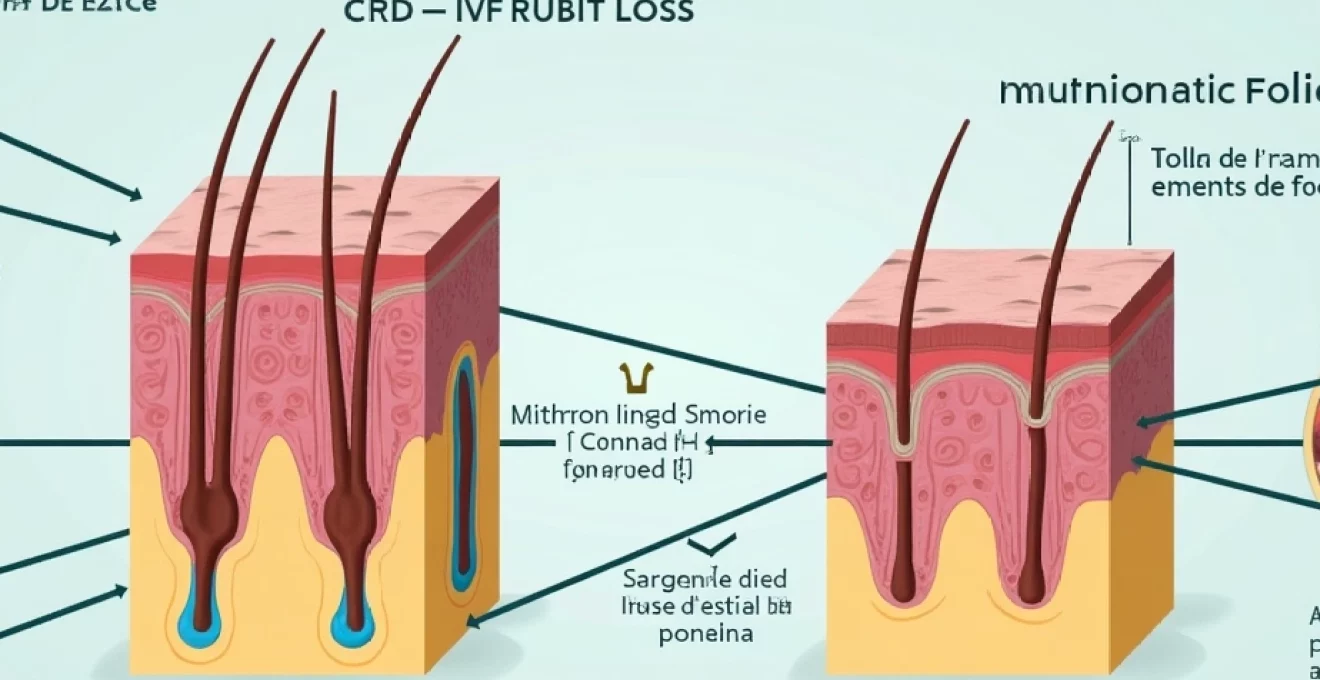
Atenolol, a widely prescribed beta-blocker medication, has become a cornerstone treatment for cardiovascular conditions including hypertension, angina, and post-myocardial infarction management. While healthcare professionals routinely discuss common side effects such as fatigue, cold extremities, and bradycardia, one particular adverse reaction often receives insufficient attention despite its significant psychological impact on patients: drug-induced alopecia . This overlooked side effect can profoundly affect patient quality of life, particularly when hair loss occurs gradually and goes unrecognised as medication-related. Understanding the complex relationship between atenolol and hair follicle disruption requires examining the intricate pharmacological mechanisms that extend beyond cardiovascular effects to influence dermatological health and hair cycle regulation.
Atenolol pharmacological mechanisms and Beta-Blocker classification
Selective beta-1 adrenergic receptor antagonism properties
Atenolol functions as a cardioselective beta-blocker , demonstrating preferential antagonism towards beta-1 adrenergic receptors located primarily in cardiac tissue. This selectivity distinguishes atenolol from non-selective beta-blockers like propranolol, which affect both beta-1 and beta-2 receptors throughout the body. The molecular structure of atenolol features a hydrophilic composition that limits its ability to cross the blood-brain barrier, reducing central nervous system side effects compared to lipophilic alternatives. However, this selectivity isn’t absolute, and at higher therapeutic doses, atenolol can still interact with beta-2 receptors in peripheral tissues, including those found within hair follicle microenvironments.
The receptor binding affinity of atenolol creates a cascade of physiological changes that extend beyond intended cardiovascular benefits. When atenolol blocks beta-1 receptors, it doesn’t merely reduce heart rate and contractility; it also influences the sympathetic nervous system’s regulation of peripheral blood flow and microcirculation. This systemic effect becomes particularly relevant when considering the hair follicle's dependence on adequate vascular supply for maintaining normal growth cycles and cellular metabolism.
Cardiovascular system impact through Renin-Angiotensin system modulation
Beyond direct receptor antagonism, atenolol significantly affects the renin-angiotensin-aldosterone system (RAAS), creating secondary physiological changes that may contribute to hair loss. The medication reduces renin release from juxtaglomerular cells in the kidneys, subsequently decreasing angiotensin II production and aldosterone secretion. While this mechanism proves beneficial for blood pressure control, it also alters electrolyte balance and fluid distribution throughout the body. These changes can affect the delicate microenvironment surrounding hair follicles, potentially disrupting the optimal conditions necessary for sustained hair growth.
The RAAS modulation also influences potassium retention and sodium excretion patterns, creating subtle but significant changes in cellular membrane potential and intracellular signalling pathways. Hair follicle cells, particularly those in the actively dividing matrix region, demonstrate sensitivity to electrolyte imbalances that can precipitate premature entry into the telogen (resting) phase of the hair cycle. This mechanism represents one pathway through which atenolol may contribute to diffuse hair thinning without patients or healthcare providers immediately recognising the connection.
Metabolic effects on androgen and growth factor pathways
Atenolol’s influence on metabolic processes extends to hormone regulation and growth factor production, creating potential mechanisms for hair loss development. Beta-blockers can alter insulin sensitivity and glucose metabolism, indirectly affecting the production and activity of insulin-like growth factor-1 (IGF-1), a crucial mediator of hair follicle proliferation and maintenance. Reduced IGF-1 activity can lead to shortened anagen phases and increased susceptibility to androgenetic alopecia progression.
The medication may also influence testosterone metabolism and binding protein concentrations, potentially altering the bioavailability of dihydrotestosterone (DHT) at hair follicle receptor sites. While atenolol doesn’t directly increase DHT production, changes in protein binding and clearance rates can modify the effective concentration of this potent androgen at target tissues. This mechanism becomes particularly relevant in genetically predisposed individuals, where even subtle increases in DHT activity can accelerate pattern hair loss.
Systemic circulation changes affecting peripheral blood flow
The primary mechanism by which atenolol reduces blood pressure involves decreasing cardiac output and peripheral vascular resistance. However, these circulatory changes can inadvertently affect hair follicle blood supply, creating conditions that may predispose to hair loss. Hair follicles rank among the body’s most metabolically active tissues, requiring consistent oxygen and nutrient delivery to maintain rapid cellular division and protein synthesis necessary for hair shaft production.
Reduced peripheral perfusion, while beneficial for cardiovascular protection, can create relative hypoxia in hair follicle bulbs, particularly in individuals with pre-existing circulatory compromise. This microvascular insufficiency may manifest as gradual hair thinning rather than acute hair loss, making the connection to atenolol therapy less apparent to both patients and healthcare providers. The effect becomes more pronounced in patients taking higher doses or those with concurrent conditions affecting peripheral circulation.
Clinical evidence linking atenolol to alopecia and hair follicle disruption
Telogen effluvium incidence rates in Atenolol-Treated patients
Clinical observations and case reports have documented telogen effluvium occurrence in patients receiving atenolol therapy, though precise incidence rates remain underreported due to the condition’s gradual onset and patients’ reluctance to report cosmetic concerns. Dermatological studies suggest that beta-blocker-induced hair loss affects approximately 1-5% of patients, with higher rates observed in individuals taking multiple cardiovascular medications simultaneously. The condition typically manifests 2-4 months after initiating therapy, coinciding with the natural hair cycle timing that allows drug-induced changes to become clinically apparent.
Telogen effluvium associated with atenolol presents as diffuse hair thinning rather than localised patterns, distinguishing it from androgenetic alopecia. Patients often describe increased hair shedding during washing or brushing, with daily hair loss exceeding 100-150 strands compared to the normal 50-100 range. The condition demonstrates dose-dependency in some cases, with higher atenolol doses correlating with more pronounced hair loss. However, individual susceptibility varies significantly, with some patients experiencing noticeable thinning at relatively low doses while others remain unaffected despite higher therapeutic concentrations.
Androgenetic alopecia acceleration through DHT pathway interference
While atenolol doesn’t directly cause androgenetic alopecia, emerging evidence suggests it may accelerate existing pattern hair loss in genetically predisposed individuals. The medication’s effects on hepatic metabolism and protein binding can alter the pharmacokinetics of circulating androgens, potentially increasing DHT bioavailability at hair follicle receptor sites. This mechanism becomes particularly relevant in male patients already experiencing early signs of pattern baldness, where atenolol therapy may precipitate more rapid progression than would occur naturally.
Clinical observations indicate that patients with family histories of androgenetic alopecia demonstrate higher susceptibility to atenolol-associated hair loss. The combination of genetic predisposition and medication-induced metabolic changes creates a synergistic effect that can manifest as accelerated temporal recession, crown thinning, or diffuse pattern hair loss. Recognition of this interaction becomes crucial for healthcare providers when prescribing atenolol to younger male patients with positive family histories of baldness.
Documented case studies from cardiology and dermatology literature
Several documented case reports have established clear temporal relationships between atenolol initiation and subsequent hair loss development. A notable case series published in dermatological literature described five patients who developed significant diffuse alopecia within 3-6 months of starting atenolol therapy for hypertension management. All patients demonstrated hair regrowth within 6-12 months after discontinuing the medication, establishing reversibility and confirming the causal relationship.
Hair loss from atenolol represents a reversible but distressing side effect that can significantly impact patient quality of life and medication adherence, requiring careful consideration during treatment selection and ongoing monitoring.
Dermatology consultations have revealed that many patients initially attribute hair loss to aging, stress, or other factors, delaying recognition of the medication connection. This delayed recognition often results in prolonged exposure and potentially more severe hair loss before appropriate intervention. Case studies emphasise the importance of proactive patient education about potential dermatological side effects and regular assessment during follow-up appointments.
Comparative hair loss rates against metoprolol and propranolol
Comparative studies examining hair loss incidence among different beta-blockers suggest varying degrees of alopecia risk. Atenolol demonstrates moderate hair loss potential compared to other agents in its class, with metoprolol showing similar rates while propranolol appears to have slightly lower incidence due to its different pharmacokinetic profile. However, these comparisons remain limited by underreporting and the subjective nature of hair loss assessment in clinical trials.
The hydrophilic nature of atenolol may contribute to its hair loss potential by creating sustained plasma concentrations that affect peripheral tissues differently than lipophilic alternatives. Metoprolol succinate, with its extended-release formulation, demonstrates comparable hair loss rates to atenolol, suggesting that sustained beta-blockade rather than specific molecular characteristics may be the primary determining factor. These observations support the concept that any prolonged beta-blocker therapy carries potential for hair follicle disruption, regardless of specific agent selection.
Pathophysiological mechanisms behind Beta-Blocker-Induced hair loss
Microcirculation reduction in hair follicle vascular supply
The fundamental mechanism underlying atenolol-induced hair loss centres on compromised microcirculation within hair follicle dermal papillae. These specialised vascular structures provide essential nutrients, oxygen, and growth factors necessary for maintaining active hair growth phases. Beta-1 receptor blockade reduces cardiac output and can cause compensatory peripheral vasoconstriction, creating a cascade effect that diminishes blood flow to non-essential tissues, including hair follicles.
Hair follicles demonstrate particularly high metabolic demands during anagen phases, requiring robust vascular support to sustain rapid cellular division and protein synthesis. When atenolol reduces overall circulatory efficiency, hair follicles may receive inadequate perfusion to maintain optimal growth conditions. This relative ischaemia doesn’t immediately kill follicles but gradually weakens their regenerative capacity, leading to shortened growth phases and premature transition to resting states. The process resembles how reduced circulation affects other peripheral tissues, but hair loss provides a visible manifestation of these systemic changes.
Anagen phase shortening through growth factor suppression
Atenolol’s influence on growth factor production and signalling represents another critical pathway contributing to hair loss development. The medication can reduce production of vascular endothelial growth factor (VEGF) and other angiogenic mediators essential for maintaining hair follicle vasculature and supporting cellular proliferation. Decreased growth factor availability leads to shortened anagen phases, where actively growing hairs transition prematurely to catagen and telogen phases.
The growth factor suppression also affects keratinocyte proliferation rates within hair matrix cells, reducing the speed and quality of hair shaft formation. This mechanism explains why some patients experience not only increased shedding but also changes in hair texture, diameter, and growth rate. The interaction between reduced growth factor signalling and compromised microcirculation creates a synergistic effect that can significantly impact hair follicle function even at therapeutic atenolol doses.
Nutritional deficiency development via reduced cardiac output
The systemic effects of reduced cardiac output extend beyond simple blood flow reduction to impact nutrient delivery and metabolic efficiency throughout the body. Atenolol’s negative inotropic effects can create subtle but significant changes in how efficiently the cardiovascular system delivers essential nutrients to peripheral tissues. Hair follicles, being metabolically demanding structures, become particularly vulnerable to these delivery inefficiencies.
Iron, zinc, and B-vitamin availability at hair follicle sites may decrease even when serum levels remain within normal ranges, due to reduced perfusion and altered cellular uptake mechanisms. This functional nutritional deficiency can contribute to hair loss development independently of direct drug effects on follicle cells. The mechanism becomes more pronounced in patients with pre-existing nutritional marginal status or those taking concurrent medications that affect nutrient absorption or metabolism. Understanding this pathway helps explain why some patients benefit from nutritional supplementation even while continuing atenolol therapy.
Hormonal imbalance effects on hair cycle regulation
Beta-blocker therapy can create subtle hormonal imbalances that influence hair cycle regulation through multiple pathways. Atenolol affects the hypothalamic-pituitary-adrenal axis, potentially altering cortisol production patterns and stress hormone responses that play crucial roles in hair follicle cycling. Chronic alterations in stress hormone levels can predispose follicles to premature telogen entry and delayed anagen initiation.
The medication also influences thyroid hormone peripheral conversion and binding protein concentrations, creating functional changes in thyroid hormone activity even when TSH and T4 levels remain normal. Since thyroid hormones critically regulate hair growth cycles, these subtle changes can contribute to diffuse hair thinning patterns commonly observed with atenolol therapy. The hormonal effects often interact with other mechanisms, creating complex pathophysiological patterns that require comprehensive understanding for effective management.
Risk assessment and Patient-Specific vulnerability factors
Identifying patients at increased risk for atenolol-induced hair loss requires careful assessment of multiple predisposing factors that can amplify the medication’s dermatological effects. Age represents a primary consideration, with patients over 50 demonstrating higher susceptibility due to naturally declining hair follicle regenerative capacity and reduced peripheral circulation. Women appear particularly vulnerable, possibly due to hormonal influences and generally higher baseline awareness of hair changes, though this observation may reflect reporting bias rather than true gender-based differences in incidence.
Pre-existing cardiovascular conditions that compromise peripheral circulation significantly increase hair loss risk when combined with beta-blocker therapy. Patients with diabetes mellitus, peripheral arterial disease, or chronic kidney disease demonstrate higher incidence rates, likely due to already compromised microvascular function that atenolol therapy may further impair. Concurrent medication use also influences risk profiles, with patients taking multiple cardiovascular drugs, particularly ACE inhibitors or diuretics, showing increased susceptibility to drug-induced alopecia.
Genetic factors play crucial roles in determining individual vulnerability to atenolol-associated hair loss. Patients with family histories of androgenetic alopecia face elevated risks, as the medication may accelerate existing pattern hair loss tendencies. Additionally, genetic variations in drug metabolism enzymes can affect atenolol clearance rates, potentially leading to higher effective concentrations in slow metabolisers. Nutritional status at therapy initiation also influences outcomes, with patients having marginal iron, zinc, or protein stores demonstrating higher likelihood of developing clinically significant hair loss.
Dosage considerations become particularly important in risk assessment, as hair loss incidence appears to demonstrate dose-dependent relationships in some patients. While standard therapeutic doses (25-100mg daily) can cause hair loss, higher doses prescribed for specific cardiac conditions may increase both the likelihood and severity of alopecia. Duration of therapy also correlates with risk, though most cases develop within the first 6 months of treatment. Patients requiring long-term beta-blocker therapy should receive regular monitoring for dermatological changes, particularly during the initial treatment period when follicle adaptation is occurring.
Alternative Beta-Blocker options and hair loss mitigation strategies
When atenolol-induced hair loss becomes clinically significant or psychologically distressing, switching to alternative cardiovascular medications often provides the most effective solution while maintaining therapeutic benefits. Nebivolol, a third-generation beta-blocker with vasodilatory properties, demonstrates lower hair loss incidence due to its unique mechanism involving nitric oxide release, which may actually improve peripheral circulation compared to traditional beta-blockers. This agent provides equivalent cardiovascular protection while potentially reversing some of the microcirculatory changes associated with hair loss development.
ACE inhibitors such as lisinopril or ramipril represent viable alternatives for many patients, particularly those whose primary indication is hypertension management. These medications achieve blood pressure reduction through different mechanisms that don’t directly compromise peripheral circulation, often allowing hair regrowth while maintaining cardiovascular benefits. However, some ACE inhibitors can rarely cause hair loss through different pathways, requiring individualised selection based on patient risk factors and treatment goals.
Calcium channel blockers like amlodipine offer another alternative
class option, particularly amlodipine or nifedipine, which can actually improve peripheral circulation through their vasodilatory effects. These medications may help reverse some of the microcirculatory changes contributing to hair loss while effectively managing blood pressure. The improved peripheral blood flow often supports hair follicle recovery, making calcium channel blockers particularly attractive alternatives for patients experiencing significant atenolol-induced alopecia.
For patients who must continue beta-blocker therapy due to specific cardiac indications, implementing hair loss mitigation strategies can help minimise dermatological impact while maintaining cardiovascular benefits. Topical minoxidil application represents the most evidence-based approach, with 2% or 5% solutions applied twice daily to affected scalp areas. The vasodilatory effects of minoxidil can partially counteract the microcirculatory reduction caused by systemic beta-blockade, often allowing continued hair growth despite ongoing atenolol therapy.
Nutritional supplementation strategies focus on supporting hair follicle metabolism despite reduced nutrient delivery efficiency. Iron supplementation becomes particularly important in patients with even marginal iron stores, as hair follicles demonstrate high iron requirements for cellular division and protein synthesis. Zinc supplementation at 15-30mg daily can help maintain optimal hair follicle enzyme function, while biotin and other B-vitamins support keratin production pathways. However, supplementation should be guided by laboratory assessment to avoid potential toxicities or interactions with concurrent medications.
Lifestyle modifications can also support hair health during beta-blocker therapy. Scalp massage techniques improve local circulation, potentially compensating for systemic blood flow reduction. Gentle massage for 5-10 minutes daily using circular motions can stimulate dermal papilla blood flow and may help maintain follicle vitality. Additionally, avoiding harsh hair treatments, tight hairstyles, and excessive heat styling reduces mechanical stress on already compromised hair follicles.
Monitoring protocols and reversibility of Atenolol-Associated alopecia
Establishing comprehensive monitoring protocols for patients initiating atenolol therapy requires proactive assessment strategies that can identify hair loss early in its development, allowing for timely intervention before significant cosmetic impact occurs. Healthcare providers should implement systematic screening questions during routine follow-up appointments, specifically inquiring about changes in hair texture, increased shedding, or family concerns about hair appearance. Documentation should include baseline hair density assessments and photographic records when possible, particularly for patients with identified risk factors.
The optimal monitoring timeline involves initial assessment at 6-8 weeks post-initiation, when early telogen effluvium changes may first become apparent to patients. Follow-up evaluations at 3-month intervals during the first year allow for detection of gradual changes that might otherwise go unnoticed. Patients should receive education about normal daily hair shedding ranges (50-100 strands) versus concerning levels (>150 strands daily) that warrant medical attention. Simple home monitoring techniques, such as counting hairs on pillowcases or after brushing, can help patients identify significant changes before they become cosmetically apparent.
The reversibility of atenolol-associated hair loss represents one of the most encouraging aspects of this adverse effect, with most patients experiencing significant improvement within 3-6 months of medication discontinuation or dosage reduction. However, the timeline for hair regrowth follows natural hair cycle patterns, meaning visible improvement may not appear for 2-3 months after intervention due to the time required for new anagen hairs to reach visible length. Complete recovery typically occurs within 6-12 months, though individual variation exists based on factors such as age, overall health status, and duration of drug exposure.
Understanding the reversible nature of atenolol-induced hair loss provides reassurance for both patients and healthcare providers, enabling informed decision-making about treatment modifications while maintaining essential cardiovascular protection.
Factors influencing recovery rates include the severity of hair loss at intervention, patient age, and concurrent health conditions affecting hair growth. Younger patients generally demonstrate faster and more complete recovery, while older individuals may experience slower regrowth rates that don’t fully return to baseline density. Patients who developed severe diffuse thinning often show gradual improvement over 12-18 months, with initial regrowth appearing finer and lighter before normalising to pre-treatment characteristics.
When medication discontinuation isn’t feasible due to cardiovascular requirements, dosage reduction strategies can often provide significant improvement in hair loss while maintaining therapeutic efficacy. Reducing atenolol from higher doses (100mg daily) to moderate doses (50mg daily) may alleviate hair loss without compromising blood pressure control in many patients. This approach requires careful monitoring of both cardiovascular parameters and hair regrowth patterns, with adjustments made based on individual patient responses.
Long-term prognosis for patients who experienced atenolol-induced hair loss remains excellent, with no evidence of permanent follicle damage or increased susceptibility to future hair loss from other causes. However, patients who restart beta-blocker therapy after successful hair regrowth may experience recurrent hair loss, suggesting persistent individual susceptibility that should inform future treatment decisions. Alternative cardiovascular medications or combination approaches that allow lower beta-blocker doses often provide sustainable solutions for long-term management.
For patients requiring continued atenolol therapy despite hair loss concerns, combining the medication with proven hair growth treatments can often achieve acceptable outcomes. Topical minoxidil combined with oral finasteride (in appropriate male patients) can counteract many of the hair loss mechanisms while allowing continued cardiovascular protection. This approach requires ongoing dermatological monitoring and patient education about realistic expectations for hair density maintenance during chronic beta-blocker therapy.